How to Keep Iguanas and Rodents Out of Your Roof With These Florida Tips
Roof rats and green iguanas are turning Miami homes into their personal playgrounds. These pests chew through soffits, nest in attic insulation, and cause thousands in damage before homeowners even notice. The warm climate and abundant food sources make South Florida a perfect breeding ground for these invasive species. But here’s the good news: you can stop them with the right exclusion techniques and structural repairs. EPA pest management guidelines.
Roof rats climb palm trees and power lines to access your roof through gaps in soffits or damaged tiles. Green iguanas burrow under roof edges and chew through plastic vent covers. Both species carry diseases and can trigger costly insurance claims. The key is not just removing them but sealing your home permanently against re-entry.
Most pest control companies trap and poison but leave your roof vulnerable to the next wave of invaders. Roofing contractors understand the structural weaknesses these animals exploit. They can repair damaged fascia, install pest-proof drip edges, and reinforce vulnerable roof penetrations. This dual approach solves your immediate problem and prevents future infestations. Professional Flat Roof Repair Services for Brickell Business Owners.
Florida Building Code requires all roof penetrations to be sealed against water intrusion. This same sealing process creates a barrier against pests. When you upgrade your roof’s weatherproofing, you’re also upgrading its pest resistance. The materials used for hurricane protection work double duty against animal intruders. Florida Building Code Information.
South Florida’s unique combination of barrel tile roofs, palm trees, and year-round warmth creates the perfect environment for roof-dwelling pests. Understanding how these animals think and move is the first step to keeping them out. They follow predictable patterns: seeking warmth, food, and safe nesting spots. Block these three needs and you’ve solved your pest problem.
Common Entry Points for Roof Rats and Iguanas in Miami Homes
Roof rats enter through the smallest openings. A gap as small as a quarter-inch gives them enough space to squeeze through soffits, eaves, and roof vents. They climb vertical surfaces using their sharp claws and can jump several feet horizontally. Once inside your attic, they chew electrical wires, contaminate insulation, and create fire hazards.
Iguanas are larger but equally destructive. They dig burrows under roof edges, chew through soft plastic vent covers, and push aside loose tiles to create entry points. Their powerful jaws can crack clay tiles and damage roof flashing. During mating season, they become territorial and may damage multiple areas trying to establish nesting sites.
Common entry points include damaged soffits where wood has rotted from Miami’s humidity, gaps between roof tiles where mortar has deteriorated, and uncapped roof vents that provide easy access. Roof rats often enter through garage soffits first, then move into the main house through interior wall cavities.
Spanish barrel tile roofs present unique challenges. The curved tiles create natural gaps where animals can hide and nest. Missing bird stops allow pests to crawl under tiles and into your attic space. The weight of iguanas walking on tiles can cause them to shift, creating new entry points each time they move.
Roof valleys and junctions between different roof sections often have gaps that develop over time as buildings settle. These areas become highways for pests moving across your roof. The combination of heat, moisture, and organic debris in these valleys creates perfect conditions for pest habitation.
Installing Pest-Proof Drip Edges and Roof Flashings
Pest-proof drip edges create a physical barrier that prevents animals from accessing your roof from below. These heavy-gauge metal strips extend beyond the roof edge and curve downward, blocking the path rodents and reptiles use to climb up walls and onto your roof. The metal construction resists chewing and digging. The Best Metal Roofing Options for Homes in Key Biscayne.
Proper installation requires removing the first row of roof tiles or shingles to install the drip edge underneath. This creates a sealed barrier that pests cannot breach. The drip edge also directs water away from your fascia boards, preventing the wood rot that attracts pests in the first place.
Galvanized steel drip edges work best in Miami’s coastal environment. The zinc coating resists salt air corrosion that would destroy aluminum or plastic alternatives. Stainless steel offers even better protection but costs more. The key is choosing materials that withstand Miami’s humidity and salt exposure for decades.
Roof flashings around chimneys, vents, and skylights often develop gaps as buildings settle. These gaps become entry points for pests. Replacing old flashings with new, properly sealed units eliminates these vulnerabilities. The flashing material should extend several inches up the vertical surface and overlap the roof material by at least six inches.
Step flashing installation along roof-wall intersections creates a continuous barrier that pests cannot penetrate. Each piece of flashing interlocks with the roof material and the wall material, leaving no gaps for animals to exploit. This method also prevents water infiltration, solving two problems with one repair.
Counter flashing installed over step flashing provides an additional layer of protection. This secondary barrier makes it nearly impossible for pests to access the gap between the roof and wall. The overlapping design also channels water away from vulnerable areas.
Securing Spanish Tile Roofs Against Iguana Invasion
Spanish barrel tile roofs require special attention because their design creates natural hiding spots for pests. The curved shape of each tile leaves gaps where iguanas can nest and roof rats can travel undetected. Traditional mortar bird stops deteriorate quickly in Miami’s climate, creating new entry points as they fail.
Modern tile roof systems use foam bird stops that resist deterioration and provide a tighter seal than mortar. These foam inserts fit between tiles and create a continuous barrier along roof edges. They flex with temperature changes instead of cracking like traditional mortar.
Tile clips secure each piece of roofing material to the roof deck, preventing the shifting that creates gaps. Without clips, walking iguanas can move tiles enough to create entry points. The clips also help the roof resist hurricane winds, providing dual protection. Protecting Your Home with Hurricane Rated Roofing Systems in Miami.
Valley liners installed under tile roofs create a waterproof barrier that also blocks pest access. These heavy-duty membranes extend up the roof slope and under the tiles, eliminating the gaps where pests typically enter. The liner material resists UV damage and lasts for decades.
Roof tile replacement may be necessary if existing tiles are cracked or damaged. Broken tiles create perfect entry points for both rodents and reptiles. Matching replacement tiles maintain your home’s appearance while eliminating vulnerabilities. The installation process includes checking and repairing the underlayment beneath the tiles.
Tile roof maintenance should include inspection of all mortar joints and bird stops. Deteriorating mortar crumbles away, leaving gaps that expand over time. Replacing damaged mortar with modern sealants prevents this gradual failure. The maintenance process also identifies any pest damage that needs repair.
Rodent-Proof Attic Vent Covers and Soffit Repairs
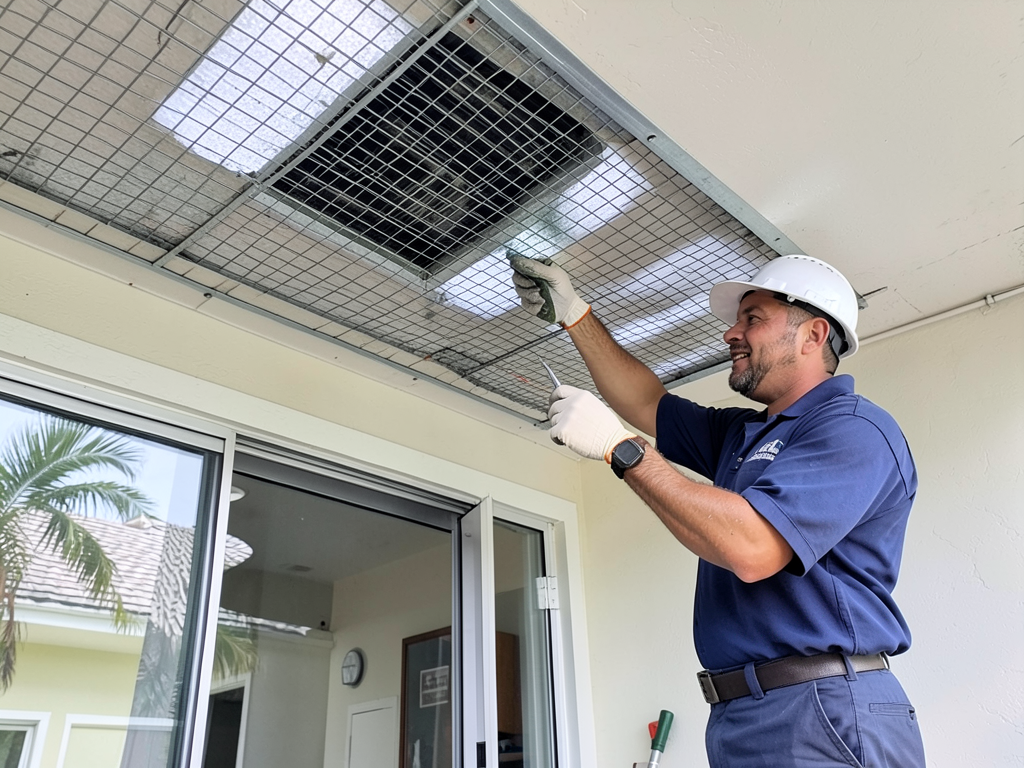
Attic vents provide easy access for roof rats if not properly protected. Standard vent covers use thin mesh that pests can chew through. Heavy-gauge galvanized steel mesh with openings smaller than a quarter-inch blocks all rodent entry while maintaining ventilation. The mesh attaches securely to prevent animals from pushing it aside.
Soffit damage often goes unnoticed until pest problems become severe. Roof rats enter through rotted wood or gaps where soffits meet walls. Replacing damaged sections with new material and sealing all joints prevents re-entry. The repair process includes checking for existing pest nests and contamination.
Continuous soffit vents provide better protection than individual vent covers. These long strips of ventilated material install along the entire soffit length, eliminating the gaps between separate vents where pests enter. The continuous design also improves attic ventilation, reducing moisture that attracts pests.
Soffit baffles prevent pests from entering through attic insulation. These barriers install between roof rafters and block the path from eaves to attic space. They maintain ventilation while creating an impenetrable barrier against rodents and reptiles climbing through insulation.
Fascia board replacement may be necessary if pests have damaged the wood. Roof rats chew through fascia to access attics, and water damage makes the wood easier to penetrate. New fascia boards treated with pest-resistant coatings provide long-term protection. The installation includes sealing all gaps between fascia and roof decking.
Soffit and fascia repair often reveals hidden pest damage. Droppings, nesting material, and chewed wires indicate active or previous infestations. The repair process includes cleaning and disinfecting contaminated areas before installing new materials. This prevents health hazards and removes scent trails that attract new pests.
Trimming Miami Vegetation to Reduce Roof Access
Palm trees provide the perfect ladder for roof rats to access your home. These agile climbers use palm fronds to reach your roof from the ground. Trimming palm trees to maintain at least a six-foot gap between the roof edge and the nearest fronds eliminates this access route.
Oak trees and other large canopy trees create similar problems when branches overhang your roof. Roof rats use these branches as bridges to bypass ground-level barriers. Tree trimming to maintain clearance from your roof structure forces pests to find other routes, which are often easier to block.
Miami’s year-round growing season means vegetation requires frequent maintenance. What provides shade in summer can become a pest highway by fall if not properly managed. Regular tree service prevents the gradual encroachment that creates new access points over time.
Vine growth on walls provides another access route for roof rats. These climbing plants create natural ladders that pests use to reach roof eaves and soffits. Removing vines and maintaining clean wall surfaces eliminates this pathway. The process also reveals any damage vines may have hidden.
Shrubbery planted too close to your home’s foundation creates cover for pests approaching your roof. Roof rats use this cover to reach walls undetected, then climb to roof access points. Maintaining a clear zone around your home’s perimeter forces pests into the open where they’re easier to control.
Landscape design can incorporate pest prevention from the start. Choosing plants that don’t provide roof access, maintaining proper spacing from structures, and using gravel beds instead of mulch near foundations all reduce pest habitat. These choices create a defensive perimeter around your home.
Pest-Resistant Roofing Materials for South Florida Homes
Metal roofing provides the best protection against both roof rats and iguanas. These animals cannot chew through steel or aluminum panels, and the smooth surface prevents climbing. Metal roofs also resist the wind uplift that can create gaps during hurricanes, maintaining their pest barrier during storms.
Standing seam metal roofs eliminate the overlapping joints where pests enter tile roofs. The raised seams create a continuous surface with no gaps for animals to exploit. The panels attach directly to the roof deck, leaving no space for pests to nest underneath.
Concrete tiles offer better pest resistance than clay tiles. The density makes them harder for iguanas to damage, and they don’t shift as easily under animal weight. Concrete’s resistance to moisture also prevents the deterioration that creates entry points in other materials.
Synthetic roofing materials designed to mimic traditional materials often incorporate pest-resistant features. These products use materials that resist chewing and deterioration while maintaining the appearance of wood shakes or slate. The consistent manufacturing process eliminates the variations that create gaps in natural materials.
Roof coating systems add an extra layer of protection to existing roofs. These elastomeric coatings seal small gaps and create a surface that pests cannot grip. The reflective properties also reduce heat buildup that attracts animals seeking warm nesting spots.
Composite roofing materials combine multiple layers to create barriers against pest entry. The top layer resists UV damage, the middle layer provides insulation, and the bottom layer creates an impenetrable barrier. These systems work especially well in Miami’s climate where traditional materials deteriorate quickly.
Repairing Wood Rot That Attracts South Florida Pests
Wood rot creates the perfect conditions for pest infestation. Roof rats can smell the decay and are drawn to the weakened wood that’s easy to penetrate. The moisture that causes rot also provides the water these animals need to survive. Fixing rot eliminates both the attractant and the access point.
Moisture assessment identifies the source of wood rot before repairs begin. Roof leaks, poor ventilation, and direct water exposure all contribute to deterioration. Finding and fixing these sources prevents new rot from forming after repairs are complete. Finding a Reliable Roof Repair Company in Coconut Grove.
Fungus damage often extends beyond visible rot. The mycelium network can spread through healthy wood, weakening it before surface signs appear. Treating affected areas with fungicides prevents this hidden damage from compromising repairs. The treatment also removes the food source that attracts wood-destroying pests.
Pressure-treated lumber resists both rot and pest damage. The chemical treatment makes the wood unpalatable to insects and rodents while protecting against moisture. Using treated lumber for repairs ensures the new materials last longer than the originals in Miami’s harsh climate.
Ventilation improvements prevent future moisture buildup that causes rot. Ridge vents, soffit vents, and proper attic insulation work together to keep roof structures dry. These improvements also make your home less attractive to pests seeking warm, moist nesting spots.
Flashing replacement around roof penetrations stops the water intrusion that causes rot. Old, deteriorated flashing allows water to seep into roof structures, creating the conditions for both rot and pest infestation. New flashing properly sealed with roofing cement provides long-term protection.
Structural repairs may be necessary if rot has compromised roof rafters or decking. These repairs restore the roof’s integrity while eliminating the damaged areas where pests nest. The process includes treating surrounding areas to prevent the spread of rot or infestation.
Professional Pest Proofing Process for Miami Roofs
Professional pest proofing begins with a comprehensive inspection. Technicians examine your entire roof structure, identifying current damage, potential entry points, and signs of existing pest activity. This inspection includes checking attic spaces for evidence of infestation and assessing the overall condition of roofing materials.
Entry point identification uses specialized equipment to find gaps invisible from the ground. Thermal imaging cameras detect heat signatures that indicate active pest nests. Moisture meters locate areas where water damage has created vulnerabilities. This technology ensures no entry point goes unnoticed.
Structural repair addresses the damage pests have already caused. This may include replacing rotted wood, repairing damaged tiles, or reinforcing weakened areas. The repairs restore your roof’s integrity while eliminating the conditions that attracted pests initially.
Sealing and exclusion create the permanent barriers that keep pests out. This process uses materials specifically chosen to resist chewing, digging, and weather damage. Every gap larger than a quarter-inch receives treatment, ensuring comprehensive protection against both rodents and reptiles.
Warranty protection gives you confidence in the work performed. Professional pest proofing includes guarantees that the sealed areas will remain pest-free for specified periods. This warranty often covers both the materials used and the labor required for any necessary follow-up work.
Maintenance planning prevents future problems from developing. Regular inspections catch new vulnerabilities before pests exploit them. This proactive approach costs less than emergency repairs and keeps your home protected year-round.
Frequently Asked Questions
How much does professional pest proofing for a roof cost in Miami?
Professional pest proofing costs vary based on your roof’s size, material, and existing damage. Most Miami homeowners invest between $1,500 and $4,000 for comprehensive exclusion services. This investment prevents thousands in potential damage from rodents and reptiles while protecting your home’s value. Why Homeowners in Coral Gables Choose Professional Tile Roof Installation.
Will pest proofing my roof void my existing roof warranty?
Professional pest proofing using approved methods and materials will not void your roof warranty. In fact, many roofing manufacturers recommend pest exclusion to protect their products. Always use licensed roofing contractors who understand warranty requirements and use compatible materials.
What’s the difference between pest control and roof exclusion services?
Pest control focuses on removing existing animals through trapping or poisoning. Roof exclusion prevents animals from entering your home in the first place. While pest control provides temporary relief, exclusion offers permanent protection by sealing entry points and repairing structural vulnerabilities that attract pests.
How long does professional pest proofing take to complete?
Most professional pest proofing projects complete in one to three days depending on your roof’s size and condition. The process includes inspection, repairs, and sealing. Weather conditions may affect timing, but professionals work efficiently to minimize disruption to your daily routine.
Can I do pest proofing myself or should I hire professionals?
While DIY pest proofing might seem cost-effective, professionals bring expertise, proper materials, and warranty protection. They understand building codes, identify hidden vulnerabilities, and use commercial-grade materials that last longer than consumer products. Professional work also maintains your home’s value and insurance compliance.
Take Action Against Roof Pests Today
Roof rats and iguanas aren’t just annoying pests. They’re destroying Miami homes every day while homeowners remain unaware of the damage happening above their ceilings. The scratching sounds in your attic or the damaged roof tiles you’ve noticed are warning signs that require immediate attention.
Every day you wait gives these pests more time to multiply and cause damage. Roof rats breed rapidly, with females producing multiple litters each year. Iguanas establish territorial patterns that become harder to break over time. The problem only gets worse and more expensive to fix.
Professional pest proofing provides the permanent solution that traps and poisons cannot offer. By sealing entry points, repairing damage, and installing protective barriers, you eliminate the conditions that attract pests while protecting your home’s structural integrity. This one-time investment prevents recurring pest control costs and potential insurance claims.
Don’t let roof rats and iguanas turn your Miami home into their personal habitat. Call (645) 231-4888 today to schedule your comprehensive roof inspection and pest exclusion assessment. Our licensed roofing professionals understand Miami’s unique pest challenges and provide solutions that last. Pick up the phone and call (645) 231-4888 before the next storm hits and gives these pests easier access to your home.
Your home deserves protection from all threats, not just weather. Professional pest proofing combines roofing expertise with exclusion techniques to create a complete barrier against invasive species. The peace of mind knowing your home is secure from both water and pest intrusion is worth the investment.
Act now to protect your Miami home from roof rats and iguanas. Call (645) 231-4888 for your free inspection and take the first step toward a pest-free home. Don’t wait until you’re dealing with contaminated insulation, chewed wiring, or structural damage. Professional help is just one phone call away.
{
“@context”: “https://schema.org”,
“@type”: “BlogPosting”,
“headline”: “How to Keep Iguanas and Rodents Out of Your Roof With These Florida Tips”,
“description”: “Stop roof rats and iguanas from damaging your Miami home. Learn pest exclusion techniques, structural repairs, and Florida-specific prevention methods from local roofing experts.”,
“wordCount”: 3114,
“datePublished”: “2026-03-31T15:12:00.000Z”,
“dateModified”: “2026-03-31T15:12:00.000Z”,
“inLanguage”: “en-US”,
“mainEntityOfPage”: {
“@type”: “WebPage”,
“@id”: “https://ironwoodroofingmiami.com”
},
“publisher”: {
“@type”: “LocalBusiness”,
“name”: “Ironwood Roofing Miami”,
“url”: “https://ironwoodroofingmiami.com”
},
“author”: {
“@type”: “Organization”,
“name”: “Ironwood Roofing Miami”,
“url”: “https://ironwoodroofingmiami.com”
},
“image”: {
“@type”: “ImageObject”,
“url”: “https://ironwoodroofingmiami.com/wp-content/uploads/2026/03/how-to-keep-iguanas-and-rodents-out-of-your-roof-w-1.png”
}
}
{
“@context”: “https://schema.org”,
“@type”: “RoofingContractor”,
“name”: “Ironwood Roofing Miami”,
“url”: “https://ironwoodroofingmiami.com”,
“address”: {
“@type”: “PostalAddress”,
“addressLocality”: “Miami”
},
“areaServed”: {
“@type”: “City”,
“name”: “Miami”
}
}
{
“@context”: “https://schema.org”,
“@type”: “FAQPage”,
“mainEntity”: [
{
“@type”: “Question”,
“name”: “How much does professional pest proofing for a roof cost in Miami?”,
“acceptedAnswer”: {
“@type”: “Answer”,
“text”: “Professional pest proofing costs vary based on your roof’s size, material, and existing damage. Most Miami homeowners invest between $1,500 and $4,000 for comprehensive exclusion services. This investment prevents thousands in potential damage from rodents and reptiles while protecting your home’s value. Why Homeowners in Coral Gables Choose Professional Tile Roof Installation.”
}
},
{
“@type”: “Question”,
“name”: “Will pest proofing my roof void my existing roof warranty?”,
“acceptedAnswer”: {
“@type”: “Answer”,
“text”: “Professional pest proofing using approved methods and materials will not void your roof warranty. In fact, many roofing manufacturers recommend pest exclusion to protect their products. Always use licensed roofing contractors who understand warranty requirements and use compatible materials.”
}
},
{
“@type”: “Question”,
“name”: “What’s the difference between pest control and roof exclusion services?”,
“acceptedAnswer”: {
“@type”: “Answer”,
“text”: “Pest control focuses on removing existing animals through trapping or poisoning. Roof exclusion prevents animals from entering your home in the first place. While pest control provides temporary relief, exclusion offers permanent protection by sealing entry points and repairing structural vulnerabilities that attract pests.”
}
},
{
“@type”: “Question”,
“name”: “How long does professional pest proofing take to complete?”,
“acceptedAnswer”: {
“@type”: “Answer”,
“text”: “Most professional pest proofing projects complete in one to three days depending on your roof’s size and condition. The process includes inspection, repairs, and sealing. Weather conditions may affect timing, but professionals work efficiently to minimize disruption to your daily routine.”
}
},
{
“@type”: “Question”,
“name”: “Can I do pest proofing myself or should I hire professionals?”,
“acceptedAnswer”: {
“@type”: “Answer”,
“text”: “While DIY pest proofing might seem cost-effective, professionals bring expertise, proper materials, and warranty protection. They understand building codes, identify hidden vulnerabilities, and use commercial-grade materials that last longer than consumer products. Professional work also maintains your home’s value and insurance compliance.”
}
}
]
}
{
“@context”: “https://schema.org”,
“@type”: “BreadcrumbList”,
“itemListElement”: [
{
“@type”: “ListItem”,
“position”: 1,
“name”: “Home”,
“item”: “https://ironwoodroofingmiami.com”
},
{
“@type”: “ListItem”,
“position”: 2,
“name”: “Blog”,
“item”: “https://ironwoodroofingmiami.com/blog”
},
{
“@type”: “ListItem”,
“position”: 3,
“name”: “How to Keep Iguanas and Rodents Out of Your Roof With These Florida Tips”
}
]
}
{
“@context”: “https://schema.org”,
“@type”: “Service”,
“serviceType”: “Roofing”,
“provider”: {
“@type”: “LocalBusiness”,
“name”: “Ironwood Roofing Miami”,
“url”: “https://ironwoodroofingmiami.com”
},
“areaServed”: {
“@type”: “City”,
“name”: “Miami”
},
“description”: “Stop roof rats and iguanas from damaging your Miami home. Learn pest exclusion techniques, structural repairs, and Florida-specific prevention methods from local roofing experts.”
}