How to Handle a Miami Roof Insurance Claim After a Storm
When hurricane-force winds rip through Miami and your roof starts leaking, panic sets in fast. But filing a successful insurance claim in Miami-Dade County requires more than just calling your agent. Between the Florida Building Code’s 25% rule, Miami-Dade’s High Velocity Hurricane Zone (HVHZ) standards, and complex insurance policies, homeowners often feel lost in the process. Florida Department of Financial Services.
This guide walks you through every step of handling a Miami roof insurance claim after a storm, from initial damage assessment to final permit approval. We’ll cover the specific requirements that make Miami claims unique, common pitfalls that delay payouts, and how to work with contractors who understand local building codes.
Understanding Miami’s Unique Roof Claim Landscape
Miami’s geographic position makes it ground zero for hurricane damage. The city sits in Florida’s High Velocity Hurricane Zone, where building codes require materials to withstand winds up to 180 mph. When storms hit, the damage patterns tell a story: missing tiles from wind uplift, water intrusion from compromised underlayment, and structural issues from flying debris. Protecting Your Home with Hurricane Rated Roofing Systems in Miami.
The 2023 Florida Tort Reform changed how claims are handled, particularly regarding Assignment of Benefits (AOB) agreements. Now, contractors must be more transparent about their role in the claims process. This means homeowners need to understand their rights before signing anything. Why Homeowners in Coral Gables Choose Professional Tile Roof Installation.
Current Year Note: As of 2026, Miami-Dade County has streamlined its permit process for storm-related roof replacements, with most insurance claims receiving expedited review within 72 hours of submission.
Step-by-Step Guide to Filing Your Miami Roof Insurance Claim
- Document the Damage Immediately
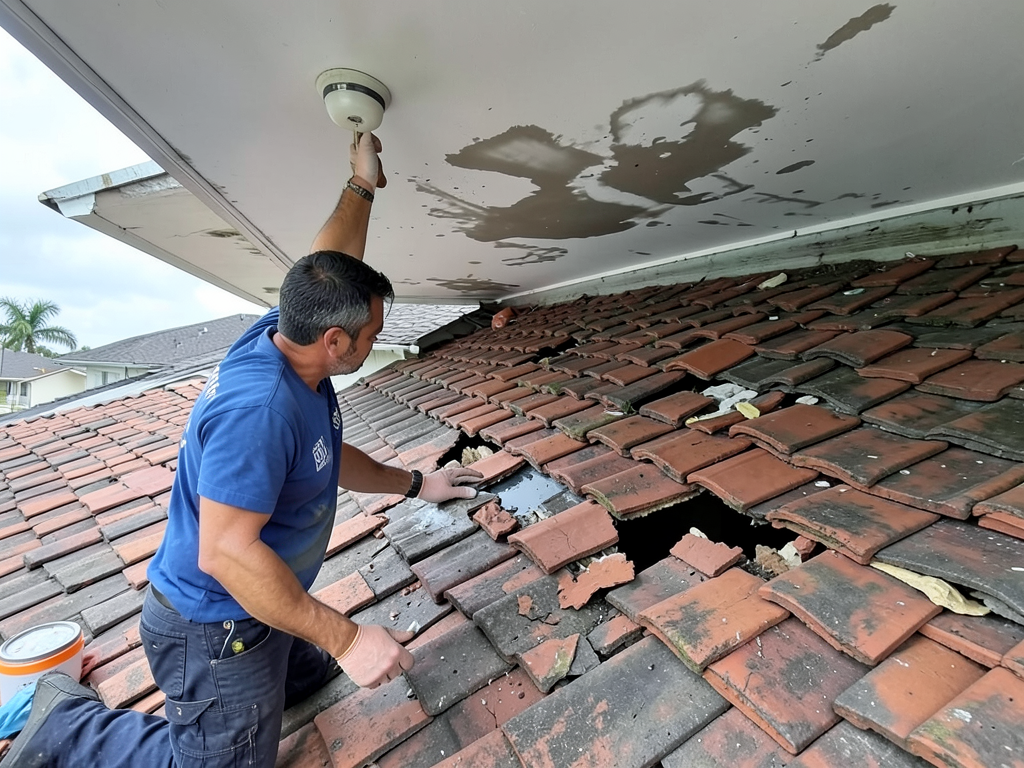
After ensuring your family’s safety, document all visible damage with photos and videos. Capture multiple angles of your roof, including close-ups of missing tiles, damaged flashing, and water stains on interior ceilings. Time-stamp all media using your phone’s metadata.
- Mitigate Further Damage
Florida law requires homeowners to prevent additional damage. This means tarping exposed areas or arranging emergency repairs. Keep all receipts for temporary repairs, as these costs are typically reimbursable under your policy. Professional Flat Roof Repair Services for Brickell Business Owners.
- Review Your Insurance Policy
Locate your policy documents and identify your deductible type (hurricane vs. all-peril), coverage limits, and any exclusions. Miami policies often have separate windstorm deductibles, typically 2-5% of your home’s insured value.
- Contact Your Insurance Company
Report the claim within 24-48 hours of the storm. Provide your policy number, date of loss, and a brief description of the damage. Request a claim number and the name of your assigned adjuster.
- Schedule a Professional Inspection
Before the insurance adjuster arrives, have a licensed Miami roofing contractor inspect your roof. They’ll identify damage that might not be visible from the ground and can provide an estimate that includes Miami-Dade HVHZ compliance requirements. Miami-Dade County Building Department.
- Meet with the Insurance Adjuster
Be present during the adjuster’s inspection. Point out all damage areas and provide your contractor’s report. Ask questions about their findings and request a detailed scope of work if possible. Finding a Reliable Roof Repair Company in Coconut Grove.
- Review the Insurance Estimate
Compare the adjuster’s estimate with your contractor’s assessment. Miami-Dade’s strict building codes often require additional work that insurance companies might miss, such as secondary water barriers or upgraded fasteners.
- Obtain Necessary Permits
Miami-Dade County requires building permits for roof replacements. Your contractor should handle permit applications, but ensure they include all required HVHZ documentation and Miami-Dade Notice of Acceptance (NOA) certifications for materials.
- Complete the Repairs
Choose a contractor licensed in Miami-Dade who understands local building requirements. Never pay the full amount upfront, and ensure all work meets permit specifications before making final payment.
- Schedule Final Inspection
After repairs, the county requires a final inspection to ensure compliance with HVHZ standards. Keep all documentation, including permits, inspection reports, and warranty information.
The Florida 25% Rule and How It Affects Your Full Roof Replacement
Florida Building Code Section 706.1.1 states that if more than 25% of a roof section is damaged, the entire section must be replaced to meet current codes. In Miami-Dade’s HVHZ, this rule is strictly enforced because older roofs rarely meet today’s wind resistance standards.
Here’s what this means for your claim:
| Damage Assessment | 25% Rule Application | Insurance Impact |
|---|---|---|
| Visible damage to 20% of roof area | Spot repairs allowed | Lower claim cost, faster processing |
| Damage to 25-40% of roof area | Full section replacement required | Higher claim cost, longer processing |
| Extensive damage across multiple sections | Full roof replacement likely | Maximum claim payout, HVHZ compliance needed |
Many Miami homeowners discover that what seems like minor damage actually triggers the 25% rule because of hidden issues like deteriorated underlayment or inadequate fastening systems that no longer meet HVHZ standards.
Common Challenges with Miami Insurance Carriers
Miami’s high claim volume means insurance companies often send out multiple adjusters after major storms. This can lead to inconsistent assessments and delayed decisions. Here are the most common challenges Miami homeowners face:
- Delayed Adjuster Response – After major hurricanes, adjusters may take weeks to inspect your property due to high demand.
- Underpayment for Code Compliance – Insurance estimates often don’t include Miami-Dade’s HVHZ requirements, leaving homeowners to cover the difference.
- Pre-existing Damage Disputes – Carriers may claim damage existed before the storm, requiring proof of when damage occurred.
- Depreciation Disputes – Understanding Replacement Cost Value (RCV) vs. Actual Cash Value (ACV) can be confusing when reviewing settlement offers.
- Pre-Storm Documentation – Photos of your roof’s condition before the storm, if available
- Storm Documentation – Date-stamped photos and videos immediately after the storm
- Professional Inspection Report – Detailed assessment from your roofing contractor
- Permit Records – Previous permits showing your roof’s age and compliance history
- Repair Receipts – Documentation of any previous repairs or maintenance
- Weather Reports – Official storm data showing wind speeds and rainfall in your area
- NOA Certification – All roofing materials must have Miami-Dade Notice of Acceptance certification
- Enhanced Fastening – Specific nail patterns and fastener types required for wind resistance
- Secondary Water Barrier – Self-adhering underlayment required on all roof decks
- Enhanced Underlayment – Minimum 30-pound felt or synthetic equivalent required
- Proper Ventilation – Hurricane-rated vents and soffit systems
- Avoid Assignment of Benefits (AOB) Traps – Never sign over your insurance rights to a contractor without understanding the implications
- Get Multiple Estimates – Compare at least three contractor quotes to ensure fair pricing
- Verify Licenses – Ensure your contractor has a valid Florida roofing license and Miami-Dade business tax receipt
- Understand Your Deductible – Know whether you have a hurricane deductible and how it’s calculated
- Document Everything – Keep copies of all communications with your insurance company
Understanding these challenges helps you prepare better documentation and set realistic expectations for your claim timeline.
Roofing Contractor vs. Public Adjuster: Who Do You Need?
Many Miami homeowners wonder whether they need both a roofing contractor and a public adjuster for their claim. Here’s how to decide: The Best Metal Roofing Options for Homes in Key Biscayne.
| Service Provider | Primary Role | When to Use | Cost Structure |
|---|---|---|---|
| Roofing Contractor | Damage assessment, repair work, permit handling | Every roof claim for professional inspection | Free inspection, paid upon completion |
| Public Adjuster | Insurance claim negotiation, maximizing settlement | Denied claims, underpaid claims, complex damage | Percentage of settlement (10-20%) |
For most Miami roof claims, starting with a qualified roofing contractor is the best first step. They can identify damage, provide repair estimates, and ensure work meets local codes. If your claim is denied or you receive an insufficient settlement, then consider hiring a public adjuster.
Documentation Checklist: Photos, Dates, and Reports
Proper documentation can make or break your Miami roof insurance claim. Here’s what you need to gather:
Keep all documentation organized in a digital folder with clear labels. This makes it easy to provide information to your insurance company and helps your contractor prepare accurate permit applications.
Understanding Miami-Dade HVHZ Requirements
Miami-Dade’s High Velocity Hurricane Zone has the strictest building requirements in the nation. Here’s what your roof replacement must include:
These requirements add to the cost of roof replacement but are non-negotiable for permit approval. Insurance companies should cover these upgrades when replacing an older roof that doesn’t meet current standards.
Timeline Expectations for Miami Roof Claims
Understanding the timeline helps manage expectations during a stressful process. Here’s what to expect:
| Phase | Typical Duration | Key Activities |
|---|---|---|
| Initial Reporting | 1-2 days | Document damage, contact insurance |
| Adjuster Inspection | 3-14 days | Insurance adjuster evaluates damage |
| Claim Processing | 7-30 days | Insurance reviews documentation, may request more info |
| Permit Acquisition | 2-10 days | Miami-Dade reviews and approves building permits |
| Repair Work | 1-7 days | Actual roof replacement or repair |
| Final Inspection | 1-3 days | County verifies work meets HVHZ standards |
Total timeline typically ranges from 2-8 weeks, depending on storm severity and permit backlogs.
Protecting Yourself from Common Claim Pitfalls
Miami’s unique insurance environment creates specific risks for homeowners. Here’s how to protect yourself:
These precautions can save you thousands of dollars and months of frustration.
Frequently Asked Questions
How long do I have to file a roof insurance claim in Miami?
Florida law requires you to file an insurance claim within 3 years of the damage occurring. However, most insurance policies have specific timeframes, often requiring notification within 30-60 days of discovering damage.
Will my insurance cover the full cost of a new roof?
Coverage depends on your policy type and the extent of damage. Replacement Cost Value (RCV) policies typically cover the full replacement cost minus your deductible, while Actual Cash Value (ACV) policies deduct depreciation.
What if my claim is denied?
You have the right to appeal a denied claim. Request a detailed explanation of the denial, gather additional documentation, and consider hiring a public adjuster or attorney specializing in insurance claims.
Do I need permits for insurance-related roof repairs?
Yes, Miami-Dade County requires permits for all roof replacements and most repairs. Your contractor should handle permit acquisition, but ensure all work is permitted and inspected.
How can I tell if my roof damage is from the recent storm or pre-existing?
A professional roofing inspection can determine the age and cause of damage. Look for fresh, clean breaks in materials versus weathered, dirty damage that may have occurred previously.
Call to Action
Don’t let hurricane damage compromise your home’s safety and value. The clock starts ticking as soon as the storm passes, and Miami’s strict building codes mean you need expert help navigating the insurance process.
Call (645) 231-4888 today to schedule your free roof inspection. Our Miami-Dade licensed contractors understand HVHZ requirements and will provide a detailed assessment to support your insurance claim. We handle everything from initial documentation to final permit approval, ensuring your roof meets all local standards while maximizing your insurance coverage.
Pick up the phone and call (645) 231-4888 before the next storm hits. Your home deserves protection from contractors who understand Miami’s unique building challenges and insurance requirements.
{
“@context”: “https://schema.org”,
“@type”: “BlogPosting”,
“headline”: “How to Handle a Miami Roof Insurance Claim After a Storm”,
“description”: “Learn the exact steps to file a successful Miami roof insurance claim after hurricane damage. Get expert help with permits, documentation, and Miami-Dade HVHZ codes.”,
“wordCount”: 1833,
“datePublished”: “2026-02-24T13:41:00.000Z”,
“dateModified”: “2026-02-24T13:41:00.000Z”,
“inLanguage”: “en-US”,
“mainEntityOfPage”: {
“@type”: “WebPage”,
“@id”: “https://ironwoodroofingmiami.com”
},
“publisher”: {
“@type”: “LocalBusiness”,
“name”: “Ironwood Roofing Miami”,
“url”: “https://ironwoodroofingmiami.com”
},
“author”: {
“@type”: “Organization”,
“name”: “Ironwood Roofing Miami”,
“url”: “https://ironwoodroofingmiami.com”
},
“image”: {
“@type”: “ImageObject”,
“url”: “https://ironwoodroofingmiami.com/wp-content/uploads/2026/03/how-to-handle-a-miami-roof-insurance-claim-after-a-1.png”
}
}
{
“@context”: “https://schema.org”,
“@type”: “RoofingContractor”,
“name”: “Ironwood Roofing Miami”,
“url”: “https://ironwoodroofingmiami.com”,
“address”: {
“@type”: “PostalAddress”,
“addressLocality”: “Miami”
},
“areaServed”: {
“@type”: “City”,
“name”: “Miami”
}
}
{
“@context”: “https://schema.org”,
“@type”: “FAQPage”,
“mainEntity”: [
{
“@type”: “Question”,
“name”: “Roofing Contractor vs. Public Adjuster: Who Do You Need?”,
“acceptedAnswer”: {
“@type”: “Answer”,
“text”: “Many Miami homeowners wonder whether they need both a roofing contractor and a public adjuster for their claim. Here’s how to decide: The Best Metal Roofing Options for Homes in Key Biscayne.”
}
},
{
“@type”: “Question”,
“name”: “How long do I have to file a roof insurance claim in Miami?”,
“acceptedAnswer”: {
“@type”: “Answer”,
“text”: “Florida law requires you to file an insurance claim within 3 years of the damage occurring. However, most insurance policies have specific timeframes, often requiring notification within 30-60 days of discovering damage.”
}
},
{
“@type”: “Question”,
“name”: “Will my insurance cover the full cost of a new roof?”,
“acceptedAnswer”: {
“@type”: “Answer”,
“text”: “Coverage depends on your policy type and the extent of damage. Replacement Cost Value (RCV) policies typically cover the full replacement cost minus your deductible, while Actual Cash Value (ACV) policies deduct depreciation.”
}
},
{
“@type”: “Question”,
“name”: “What if my claim is denied?”,
“acceptedAnswer”: {
“@type”: “Answer”,
“text”: “You have the right to appeal a denied claim. Request a detailed explanation of the denial, gather additional documentation, and consider hiring a public adjuster or attorney specializing in insurance claims.”
}
},
{
“@type”: “Question”,
“name”: “Do I need permits for insurance-related roof repairs?”,
“acceptedAnswer”: {
“@type”: “Answer”,
“text”: “Yes, Miami-Dade County requires permits for all roof replacements and most repairs. Your contractor should handle permit acquisition, but ensure all work is permitted and inspected.”
}
},
{
“@type”: “Question”,
“name”: “How can I tell if my roof damage is from the recent storm or pre-existing?”,
“acceptedAnswer”: {
“@type”: “Answer”,
“text”: “A professional roofing inspection can determine the age and cause of damage. Look for fresh, clean breaks in materials versus weathered, dirty damage that may have occurred previously.”
}
}
]
}
{
“@context”: “https://schema.org”,
“@type”: “HowTo”,
“name”: “Filing a Miami Roof Insurance Claim”,
“step”: [
{
“@type”: “HowToStep”,
“position”: 1,
“name”: “Document the Damage Immediately”,
“text”: “After ensuring your family’s safety, document all visible damage with photos and videos. Capture multiple angles of your roof, including close-ups of missing tiles, damaged flashing, and water stains on interior ceilings. Time-stamp all media using your phone’s metadata.”
},
{
“@type”: “HowToStep”,
“position”: 2,
“name”: “Mitigate Further Damage”,
“text”: “Florida law requires homeowners to prevent additional damage. This means tarping exposed areas or arranging emergency repairs. Keep all receipts for temporary repairs, as these costs are typically reimbursable under your policy. Professional Flat Roof Repair Services for Brickell Business Owners.”
},
{
“@type”: “HowToStep”,
“position”: 3,
“name”: “Review Your Insurance Policy”,
“text”: “Locate your policy documents and identify your deductible type (hurricane vs. all-peril), coverage limits, and any exclusions. Miami policies often have separate windstorm deductibles, typically 2-5% of your home’s insured value.”
},
{
“@type”: “HowToStep”,
“position”: 4,
“name”: “Contact Your Insurance Company”,
“text”: “Report the claim within 24-48 hours of the storm. Provide your policy number, date of loss, and a brief description of the damage. Request a claim number and the name of your assigned adjuster.”
},
{
“@type”: “HowToStep”,
“position”: 5,
“name”: “Schedule a Professional Inspection”,
“text”: “Before the insurance adjuster arrives, have a licensed Miami roofing contractor inspect your roof. They’ll identify damage that might not be visible from the ground and can provide an estimate that includes Miami-Dade HVHZ compliance requirements. Miami-Dade County Building Department.”
},
{
“@type”: “HowToStep”,
“position”: 6,
“name”: “Meet with the Insurance Adjuster”,
“text”: “Be present during the adjuster’s inspection. Point out all damage areas and provide your contractor’s report. Ask questions about their findings and request a detailed scope of work if possible. Finding a Reliable Roof Repair Company in Coconut Grove.”
},
{
“@type”: “HowToStep”,
“position”: 7,
“name”: “Review the Insurance Estimate”,
“text”: “Compare the adjuster’s estimate with your contractor’s assessment. Miami-Dade’s strict building codes often require additional work that insurance companies might miss, such as secondary water barriers or upgraded fasteners.”
},
{
“@type”: “HowToStep”,
“position”: 8,
“name”: “Obtain Necessary Permits”,
“text”: “Miami-Dade County requires building permits for roof replacements. Your contractor should handle permit applications, but ensure they include all required HVHZ documentation and Miami-Dade Notice of Acceptance (NOA) certifications for materials.”
},
{
“@type”: “HowToStep”,
“position”: 9,
“name”: “Complete the Repairs”,
“text”: “Choose a contractor licensed in Miami-Dade who understands local building requirements. Never pay the full amount upfront, and ensure all work meets permit specifications before making final payment.”
},
{
“@type”: “HowToStep”,
“position”: 10,
“name”: “Schedule Final Inspection”,
“text”: “After repairs, the county requires a final inspection to ensure compliance with HVHZ standards. Keep all documentation, including permits, inspection reports, and warranty information.”
}
],
“image”: “https://ironwoodroofingmiami.com/wp-content/uploads/2026/03/how-to-handle-a-miami-roof-insurance-claim-after-a-1.png”
}
{
“@context”: “https://schema.org”,
“@type”: “BreadcrumbList”,
“itemListElement”: [
{
“@type”: “ListItem”,
“position”: 1,
“name”: “Home”,
“item”: “https://ironwoodroofingmiami.com”
},
{
“@type”: “ListItem”,
“position”: 2,
“name”: “Blog”,
“item”: “https://ironwoodroofingmiami.com/blog”
},
{
“@type”: “ListItem”,
“position”: 3,
“name”: “How to Handle a Miami Roof Insurance Claim After a Storm”
}
]
}
{
“@context”: “https://schema.org”,
“@type”: “Service”,
“serviceType”: “Roofing”,
“provider”: {
“@type”: “LocalBusiness”,
“name”: “Ironwood Roofing Miami”,
“url”: “https://ironwoodroofingmiami.com”
},
“areaServed”: {
“@type”: “City”,
“name”: “Miami”
},
“description”: “Learn the exact steps to file a successful Miami roof insurance claim after hurricane damage. Get expert help with permits, documentation, and Miami-Dade HVHZ codes.”
}