How to Choose a Roofing Material That Lowers Your Insurance Premiums in Florida
Florida homeowners pay some of the highest insurance premiums in the nation. A properly chosen roofing material can cut those costs by 15-40% through wind mitigation credits. This guide shows Miami homeowners exactly which materials qualify and how to document them for maximum savings. Florida Office of Insurance Regulation Wind Mitigation Forms.
The Wind Mitigation Inspection: Your Key to Savings
The Florida Office of Insurance Regulation requires a Wind Mitigation Inspection using Form OIR-B1-1802 to qualify for premium discounts. This inspection evaluates seven critical roof features that directly impact insurance rates.
A certified inspector examines your roof-to-wall connections, secondary water barriers, roof deck attachment, and more. Each feature that meets or exceeds Florida Building Code requirements unlocks specific percentage discounts on your annual premium.
Most homeowners don’t realize that even if you have a newer roof, you may not be getting the maximum discount unless the proper documentation exists. The inspection must be completed by a licensed professional and submitted to your insurance carrier. Professional Flat Roof Repair Services for Brickell Business Owners.
Call (645) 231-4888 today to schedule your wind mitigation inspection before your next premium renewal.
Critical Roofing Features for Florida Discounts
Roof-to-Wall Attachments: Clips vs. Straps
Your roof’s connection to the walls determines how it performs in hurricane-force winds. Single wraps, double wraps, and clips each provide different levels of protection and insurance credits. Protecting Your Home with Hurricane Rated Roofing Systems in Miami.
Single wraps are metal connectors that wrap over the roof truss and are nailed to the wall. Double wraps provide even more strength by securing both sides of the truss. Clips are the minimum standard but offer the lowest insurance credits. The Best Metal Roofing Options for Homes in Key Biscayne.
Homes built before 2002 typically have toenailed connections that provide no wind mitigation credits. Upgrading to approved connectors can save hundreds annually on insurance while dramatically improving storm resistance.
Secondary Water Resistance: The Hidden Credit
Secondary water barriers prevent water intrusion if the primary roof covering fails during a storm. This feature, often called SWR, involves applying a self-adhering polymer-modified bitumen to the roof deck before installing shingles or tiles.
Miami-Dade County requires SWR for all re-roofing projects. The barrier must extend at least 24 inches up from the exterior walls. This requirement alone can qualify you for a 10-15% insurance credit. Roofing Cutler Bay.
During installation, the SWR material creates a waterproof seal at all joints and penetrations. If high winds damage your primary roofing, this secondary layer keeps your home dry and prevents costly interior damage.
Roof Deck Attachment: Nailing Patterns Matter
The way your roof deck attaches to the trusses affects both insurance credits and structural integrity. Florida Building Code 2023 requires specific nail spacing and types for maximum wind resistance.
Six-inch on-center nailing with ring-shank nails provides the highest credits. Standard smooth-shank nails at 12-inch spacing offer minimal discounts. The difference in installation cost is minimal compared to the potential insurance savings over time.
Older homes often have 4×8 plywood decks nailed with smooth-shank nails at 24-inch spacing. Upgrading to the current standard during a re-roof project can qualify for additional credits while strengthening your home’s structure.
Impact-Resistant Roof Coverings: UL 2218 Ratings
Impact-resistant roofing materials earn credits by meeting UL 2218 testing standards. Class 4 impact resistance, the highest rating, withstands impacts from steel balls dropped from specific heights without cracking.
Impact-resistant shingles, tiles, and metal panels all qualify for credits. The material must carry Miami-Dade NOA (Notice of Acceptance) approval for use in the High-Velocity Hurricane Zone.
Beyond insurance savings, impact-resistant materials reduce the likelihood of damage during hailstorms and debris impacts. This can prevent the deductible expenses and hassle of filing claims for minor damage.
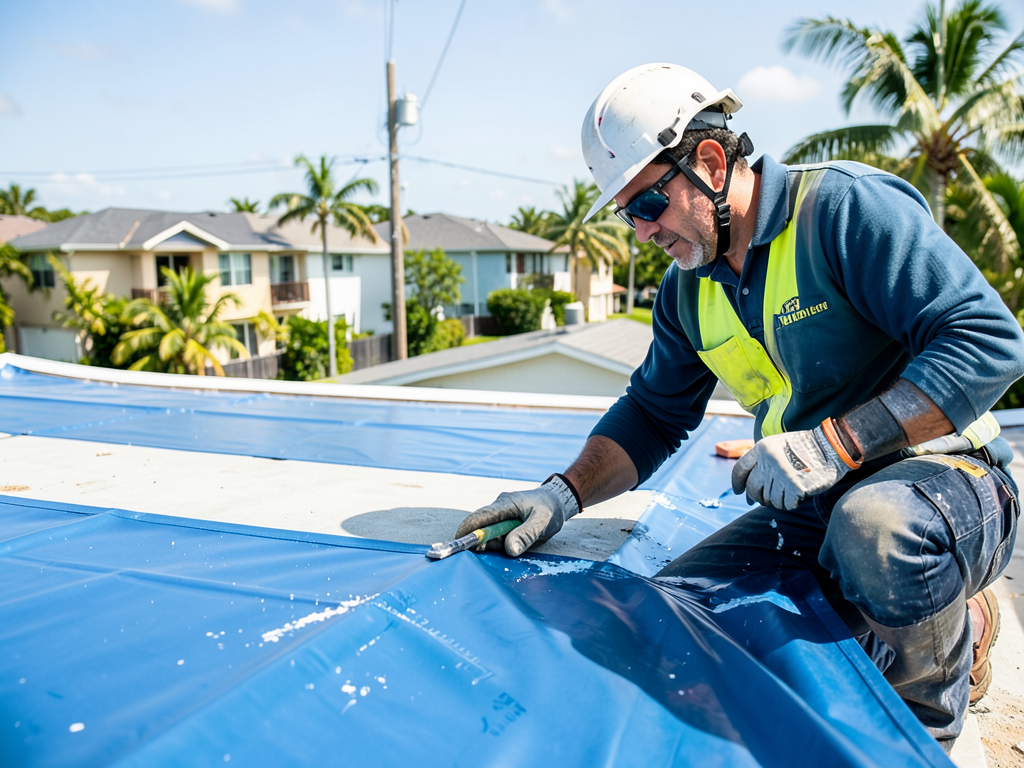
Diagram showing wind mitigation inspection form OIR-B1-1802 with seven key areas highlighted and their corresponding insurance credit values.
Miami-Dade HVHZ Requirements vs. Insurance Credits
Miami-Dade County enforces the strictest building standards in Florida. The High-Velocity Hurricane Zone requirements automatically qualify your roof for the highest insurance discount tiers.
HVHZ standards require specific testing protocols for all roofing materials. Products must pass large and small missile impact tests, wind uplift resistance, and pressure cycling tests. Only materials with Miami-Dade NOA approval can be installed in the county.
The overlap between HVHZ compliance and insurance credits means building to Miami-Dade code naturally maximizes your premium savings. This includes requirements for enhanced underlayment, specific fastener patterns, and approved attachment methods.
Many homeowners in areas like Coral Gables and Coconut Grove don’t realize their older roofs don’t meet current HVHZ standards. Upgrading not only improves insurance rates but also ensures compliance with current building codes. Why Homeowners in Coral Gables Choose Professional Tile Roof Installation.
The 15-Year Rule and My Safe Florida Home Program
Florida insurance companies increasingly deny coverage or charge premium rates for roofs over 15 years old. This has created a crisis for many Miami homeowners who suddenly find themselves uninsurable.
The My Safe Florida Home program offers grants up to $10,000 for wind mitigation improvements. This includes roof upgrades, impact-resistant windows, and garage door bracing. The program prioritizes homes with roofs over 15 years old or those in high-risk areas. My Safe Florida Home Grant Program.
Qualifying for these grants can offset the cost of a new roof while ensuring you maintain insurance coverage. The application process requires a wind mitigation inspection and proof of income eligibility.
Even if you don’t qualify for grants, the cost of a new roof often pays for itself within 3-5 years through insurance savings alone. Factor in the increased home value and reduced maintenance costs, and the investment becomes even more attractive.
Step-by-Step: How to Claim Your Discount After a Re-roof
1. Document Everything During Installation
Before work begins, ensure your contractor provides engineering drawings showing the proposed roof system meets or exceeds current codes. Document the specific materials being used, including Miami-Dade NOA numbers for all components.
During installation, photograph key elements like the secondary water barrier application, nailing patterns, and attachment methods. These photos become crucial evidence if your insurance company questions the installation quality.
2. Obtain Final Permits and Inspections
Never skip the final building inspection. Your insurance carrier may require proof that the roof passed all required inspections. The permit also ensures the work meets current building codes, which is essential for insurance credits.
Keep copies of all inspection reports, permits, and material documentation. Your insurance company may request these during the discount application process.
3. Schedule the Wind Mitigation Inspection
Schedule your wind mitigation inspection after the roof is complete but before you submit your insurance application. The inspector must verify that all wind mitigation features were installed correctly.
Choose an inspector certified by the Florida Department of Financial Services. They understand exactly what insurance companies look for and can identify any issues before you submit your application.
4. Submit to Insurance Carrier
Submit the completed OIR-B1-1802 form along with any required documentation to your insurance carrier. Some companies require additional verification of material specifications or installation methods.
Follow up within 30 days to ensure your application is processed. Many homeowners forget this step and continue paying higher premiums unnecessarily.
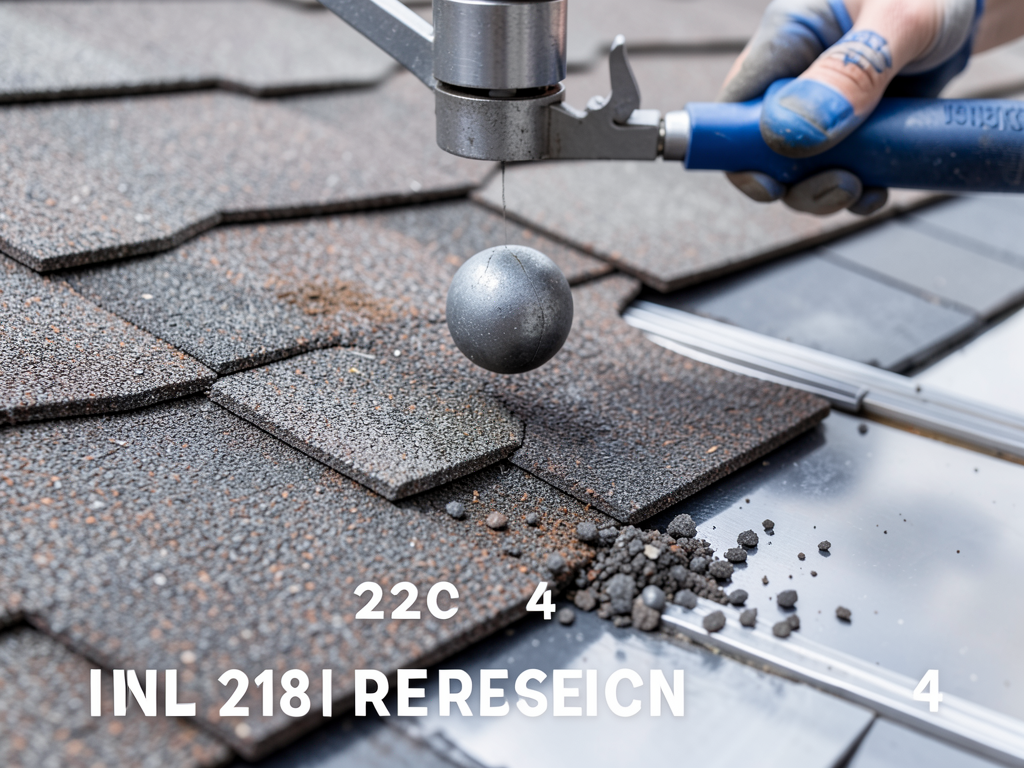
Photo showing secondary water barrier installation with self-adhering polymer-modified bitumen applied to roof deck before shingle installation.
Insurance Discount Comparison by Material Type
| Roofing Material | Initial Cost | Annual Insurance Savings | UL 2218 Rating | Miami-Dade NOA |
|---|---|---|---|---|
| Impact-Resistant Shingles | $$$-$$$$ | 15-25% | Class 4 | Yes |
| Concrete/Clay Tile | $$$$-$$$$$ | 20-30% | Class 3-4 | Yes |
| Standing Seam Metal | $$$$-$$$$$ | 25-35% | Class 4 | Yes |
| Modified Bitumen (Flat) | $$-$$$ | 10-20% | N/A | Yes |
| Standard Architectural Shingles | $$-$$$ | 5-15% | Class 3 | Limited |
Material Selection for Maximum Insurance Savings
Choosing the right material involves balancing upfront costs against long-term savings. Impact-resistant shingles offer the best combination of affordability and insurance credits for most Miami homeowners.
Metal roofing provides the highest insurance credits but requires a larger initial investment. The 25-35% premium reduction can offset the higher cost within 5-7 years through insurance savings alone.
Tiles offer excellent durability and insurance credits but require roof structure evaluation. Many older Miami homes need reinforcement to support the additional weight of concrete or clay tiles.
For flat roof applications common in commercial buildings and some modern homes, modified bitumen systems with reflective coatings can qualify for both insurance credits and energy efficiency rebates.
Common Mistakes That Cost You Discounts
Many homeowners sabotage their insurance savings through avoidable mistakes. Using non-approved materials, skipping required inspections, or failing to document installation methods can eliminate potential credits.
Another common error is choosing the cheapest contractor without verifying their knowledge of Miami-Dade HVHZ requirements. An improperly installed roof that doesn’t meet code standards provides no insurance credits and may create liability issues.
Some homeowners try to save money by reusing existing materials or skipping the secondary water barrier. These shortcuts often cost more in lost insurance credits than they save in installation costs.
Finally, failing to submit the wind mitigation inspection to your insurance carrier means you continue paying higher premiums even though your roof qualifies for discounts.
Photo showing proper roof-to-wall connection installation with hurricane straps and approved nailing patterns visible in attic space.
The Financial Impact: Real Numbers for Miami Homeowners
A typical Miami homeowner with a $3,000 annual premium can reduce that by $450-1,200 through proper material selection and documentation. Over a 20-year roof lifespan, that represents $9,000-24,000 in insurance savings.
Add in the reduced likelihood of damage claims, lower maintenance costs, and increased home value, and the financial case for choosing the right roofing material becomes compelling.
Energy efficiency improvements from reflective materials can provide additional savings of $200-400 annually on cooling costs. Some insurance companies offer additional credits for energy-efficient roofing systems.
The total financial benefit often exceeds the initial cost difference between standard and premium roofing materials within the first decade of ownership.
Frequently Asked Questions
How long does a wind mitigation inspection take?
A typical wind mitigation inspection takes 45-90 minutes depending on roof complexity. The inspector examines the roof structure, documents attachment methods, and verifies compliance with current building codes.
Can I get insurance discounts with an older roof?
Yes, if the roof meets current building code requirements. Many older roofs can be retrofitted with approved connectors, secondary water barriers, and impact-resistant materials to qualify for credits.
What if my insurance company doesn’t recognize the credits?
All Florida insurance companies must recognize wind mitigation credits per Florida Statute 627.712. If your carrier refuses, file a complaint with the Florida Office of Insurance Regulation.
How often do I need a new wind mitigation inspection?
Wind mitigation inspections are valid for five years unless structural changes occur. However, if you make improvements to your roof, a new inspection can document additional credits.
Does a new roof automatically qualify for discounts?
No. The roof must meet specific criteria documented on the OIR-B1-1802 form. Simply installing a new roof doesn’t guarantee credits unless it includes the required wind mitigation features.
Take Action Today
Every month you wait to upgrade your roofing materials costs you money in higher insurance premiums. The combination of insurance savings, potential grant funding, and increased home protection makes now the ideal time to act.
Understanding your options and making informed decisions can save you thousands over your roof’s lifetime. Don’t let another premium payment go by without maximizing your available discounts.
Call (645) 231-4888 today to schedule your wind mitigation inspection and discover how much you can save on insurance premiums.
Pick up the phone and call (645) 231-4888 before the next storm hits. Our Miami-based experts understand the unique challenges of South Florida roofing and can help you choose materials that protect your home and your wallet.
Don’t wait until you receive a non-renewal notice from your insurance company. Take control of your insurance costs today with a roof that meets Miami-Dade HVHZ standards and qualifies for maximum premium discounts.
Call (645) 231-4888 now to schedule your free consultation and wind mitigation inspection. Your future self will thank you for making the smart choice today.
{
“@context”: “https://schema.org”,
“@type”: “BlogPosting”,
“headline”: “How to Choose a Roofing Material That Lowers Your Insurance Premiums in Florida”,
“description”: “Learn which roofing materials qualify for Florida insurance discounts. Discover Miami-Dade HVHZ requirements and wind mitigation credits that can save you 15-40% on premiums.”,
“wordCount”: 2017,
“datePublished”: “2026-03-14T15:37:00.000Z”,
“dateModified”: “2026-03-14T15:37:00.000Z”,
“inLanguage”: “en-US”,
“mainEntityOfPage”: {
“@type”: “WebPage”,
“@id”: “https://ironwoodroofingmiami.com”
},
“publisher”: {
“@type”: “LocalBusiness”,
“name”: “Ironwood Roofing Miami”,
“url”: “https://ironwoodroofingmiami.com”
},
“author”: {
“@type”: “Organization”,
“name”: “Ironwood Roofing Miami”,
“url”: “https://ironwoodroofingmiami.com”
},
“image”: {
“@type”: “ImageObject”,
“url”: “https://ironwoodroofingmiami.com/wp-content/uploads/2026/03/how-to-choose-a-roofing-material-that-lowers-your-1.png”
}
}
{
“@context”: “https://schema.org”,
“@type”: “RoofingContractor”,
“name”: “Ironwood Roofing Miami”,
“url”: “https://ironwoodroofingmiami.com”,
“address”: {
“@type”: “PostalAddress”,
“addressLocality”: “Miami”
},
“areaServed”: {
“@type”: “City”,
“name”: “Miami”
}
}
{
“@context”: “https://schema.org”,
“@type”: “FAQPage”,
“mainEntity”: [
{
“@type”: “Question”,
“name”: “How long does a wind mitigation inspection take?”,
“acceptedAnswer”: {
“@type”: “Answer”,
“text”: “A typical wind mitigation inspection takes 45-90 minutes depending on roof complexity. The inspector examines the roof structure, documents attachment methods, and verifies compliance with current building codes.”
}
},
{
“@type”: “Question”,
“name”: “Can I get insurance discounts with an older roof?”,
“acceptedAnswer”: {
“@type”: “Answer”,
“text”: “Yes, if the roof meets current building code requirements. Many older roofs can be retrofitted with approved connectors, secondary water barriers, and impact-resistant materials to qualify for credits.”
}
},
{
“@type”: “Question”,
“name”: “How often do I need a new wind mitigation inspection?”,
“acceptedAnswer”: {
“@type”: “Answer”,
“text”: “Wind mitigation inspections are valid for five years unless structural changes occur. However, if you make improvements to your roof, a new inspection can document additional credits.”
}
},
{
“@type”: “Question”,
“name”: “Does a new roof automatically qualify for discounts?”,
“acceptedAnswer”: {
“@type”: “Answer”,
“text”: “No. The roof must meet specific criteria documented on the OIR-B1-1802 form. Simply installing a new roof doesn’t guarantee credits unless it includes the required wind mitigation features.”
}
}
]
}
{
“@context”: “https://schema.org”,
“@type”: “BreadcrumbList”,
“itemListElement”: [
{
“@type”: “ListItem”,
“position”: 1,
“name”: “Home”,
“item”: “https://ironwoodroofingmiami.com”
},
{
“@type”: “ListItem”,
“position”: 2,
“name”: “Blog”,
“item”: “https://ironwoodroofingmiami.com/blog”
},
{
“@type”: “ListItem”,
“position”: 3,
“name”: “How to Choose a Roofing Material That Lowers Your Insurance Premiums in Florida”
}
]
}
{
“@context”: “https://schema.org”,
“@type”: “Service”,
“serviceType”: “Roofing”,
“provider”: {
“@type”: “LocalBusiness”,
“name”: “Ironwood Roofing Miami”,
“url”: “https://ironwoodroofingmiami.com”
},
“areaServed”: {
“@type”: “City”,
“name”: “Miami”
},
“description”: “Learn which roofing materials qualify for Florida insurance discounts. Discover Miami-Dade HVHZ requirements and wind mitigation credits that can save you 15-40% on premiums.”
}