How Modern Metal Roofing Enhances the Minimalist Aesthetic of Pinecrest Architecture
Pinecrest homeowners are increasingly embracing modern minimalist architecture, characterized by clean lines, open spaces, and functional design. Modern metal roofing systems have emerged as the perfect complement to this aesthetic while providing the hurricane resistance required in Miami-Dade’s High-Velocity Hurricane Zone. These roofing systems offer sleek profiles that enhance contemporary homes’ visual appeal while delivering superior performance against Florida’s extreme weather conditions. Miami-Dade County Building Code Compliance Office.
Modern metal roofing transforms Pinecrest’s architectural landscape by combining form and function. Standing seam metal panels create uninterrupted horizontal lines that mirror minimalist design principles, while advanced coatings reflect Miami’s intense sunlight, reducing cooling costs by up to 40% according to the Cool Roof Rating Council. The integration of these systems represents more than a design choice—it’s a commitment to energy efficiency and structural integrity in one of South Florida’s most demanding climates. Cool Roof Rating Council.
Top Modern Metal Roofing Systems for Pinecrest Homes
Modern metal roofing offers several systems that complement minimalist architecture while meeting Pinecrest’s strict building requirements. Each system provides unique benefits for homeowners seeking both aesthetic appeal and hurricane protection. The Best Metal Roofing Options for Homes in Key Biscayne.
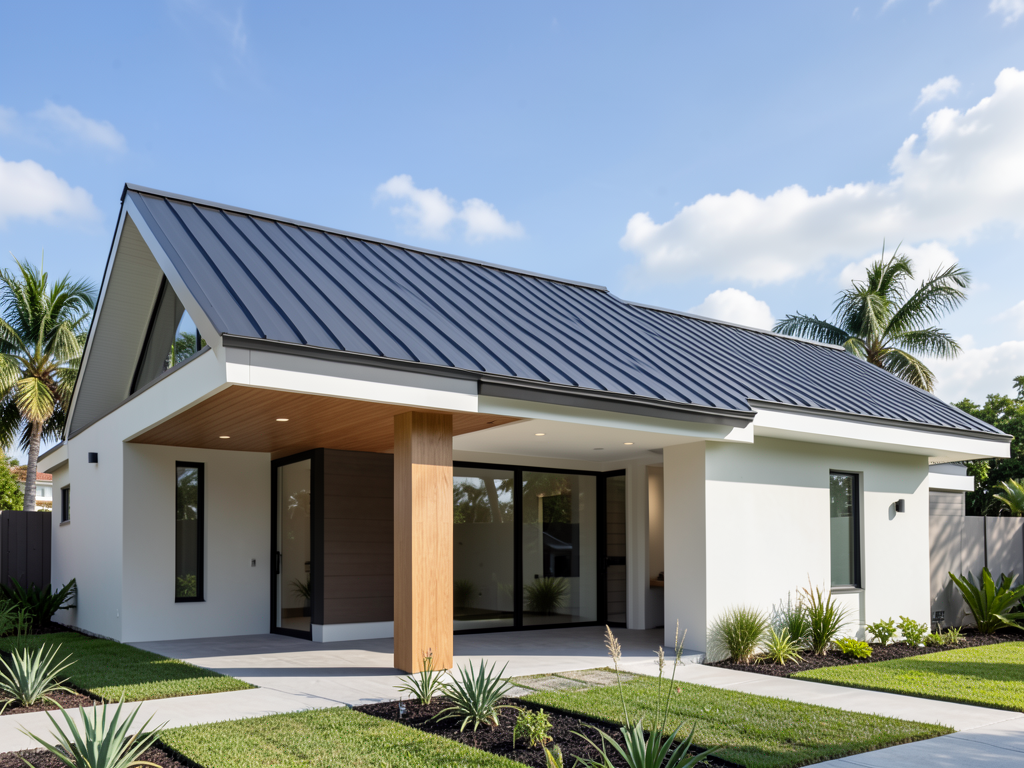
Diagram showing standing seam metal roof installation with Miami-Dade NOA compliance markings and wind uplift resistance ratings.
Standing Seam Metal Roofing
Standing seam metal roofing represents the pinnacle of modern minimalist design for Pinecrest homes. These systems feature concealed fasteners and raised seams that create clean, uninterrupted lines across the roof surface. The panels lock together mechanically, eliminating exposed screws that could compromise both aesthetics and weather resistance. Roofing Cutler Bay.
The engineering behind standing seam systems addresses Pinecrest’s specific challenges. Miami-Dade County requires all roofing materials to carry Notice of Acceptance (NOA) certification, ensuring they can withstand sustained winds exceeding 175 mph. Standing seam systems achieve this through continuous panel runs and specialized clip systems that allow for thermal expansion while maintaining structural integrity during hurricane-force winds. Protecting Your Home with Hurricane Rated Roofing Systems in Miami.
Material options include Galvalume steel with Kynar 500 finishes, aluminum for coastal proximity, and copper for luxury applications. Each material offers different benefits: Galvalume provides excellent corrosion resistance, aluminum eliminates rust concerns entirely, and copper develops a distinctive patina that many minimalist designs incorporate as a design feature.. Read more about Aluminum vs Galvanized Steel (Choosing the right material for Star Island waterfront properties).
Metal Shingle Systems
For homeowners who prefer the appearance of traditional roofing materials but require modern performance, metal shingles offer an ideal solution. These interlocking panels mimic slate, tile, or wood shake while providing Class 4 impact resistance and NOA compliance. The dimensional profiles create shadow lines that add visual interest without compromising the clean aesthetic. Why Homeowners in Coral Gables Choose Professional Tile Roof Installation.
Metal shingles install over battens or solid decking, creating an airspace that improves ventilation and reduces heat transfer. This installation method proves particularly effective in Pinecrest’s humid climate, where proper attic ventilation prevents moisture accumulation and extends roof system life. The battens also provide additional wind uplift resistance by creating multiple attachment points across the roof deck.
Modern manufacturing techniques allow metal shingles to achieve realistic textures and color variations. Stone-coated steel products combine the durability of metal with the appearance of traditional materials, offering homeowners the best of both worlds. These systems typically carry Miami-Dade NOA numbers in the 15000-17000 series, indicating rigorous testing for South Florida conditions.
Metal Roof Panels for Flat Roof Applications
Many contemporary Pinecrest homes feature flat or low-slope roof sections that require specialized metal systems. Standing seam metal panels designed for low slopes provide clean lines while addressing drainage challenges unique to flat roof applications. These systems incorporate tapered insulation and crickets to ensure proper water flow toward drains.
The installation process for flat roof metal systems differs significantly from traditional sloped applications. Technicians must create positive drainage using tapered insulation boards, install crickets around penetrations to prevent ponding, and ensure all seams are properly sealed. The Cool Roof Rating Council rates these systems based on solar reflectance and thermal emittance, with premium products achieving .65+ reflectance ratings.
Fire resistance represents another advantage of metal systems for flat applications. Class A fire ratings protect against both external fire exposure and internal fire spread, a critical consideration for homes with rooftop equipment or nearby vegetation. The non-combustible nature of metal roofing also helps maintain defensible space around the home during wildfire season.
Energy Efficiency and Environmental Benefits
Modern metal roofing systems deliver substantial energy savings for Pinecrest homeowners through advanced reflective technologies and proper installation techniques. The energy efficiency of these systems directly impacts both utility costs and environmental footprint.
Infrared thermal imaging comparison showing heat reflection differences between standard asphalt shingles and cool-rated metal roofing on a Pinecrest home.
Solar Reflectance and Heat Reduction
Metal roofing’s ability to reflect solar radiation significantly reduces heat gain in Pinecrest homes. Standard asphalt shingles absorb 85-90% of solar energy, while cool metal roofing reflects 60-70% or more. This difference translates to attic temperatures that are 20-30 degrees cooler, reducing air conditioning loads during Miami’s long cooling season.
The Cool Roof Rating Council (CRRC) tests and certifies roofing materials based on their solar reflectance and thermal emittance properties. Premium metal roofing systems achieve CRRC ratings of .65 or higher, qualifying for Energy Star certification and potential utility rebates. These ratings measure performance under Miami’s intense UV exposure, ensuring long-term energy savings.
Color selection impacts performance significantly. Light colors naturally reflect more heat, but modern pigmented coatings allow darker colors to achieve impressive reflectance ratings. A deep bronze metal roof can reflect as much heat as a light gray traditional shingle, providing design flexibility without sacrificing energy efficiency.
Ventilation and Thermal Performance
Proper ventilation enhances metal roofing’s energy performance by creating continuous airflow beneath the panels. This airspace acts as a thermal break, preventing conductive heat transfer from the hot roof surface to the conditioned space below. The ventilation system typically includes soffit vents, ridge vents, and sometimes powered attic fans for optimal performance.
The thermal expansion characteristics of metal roofing require careful consideration during installation. Aluminum expands twice as much as steel when heated, necessitating specific fastening patterns and clip spacing. Professional installers account for these movements by using floating clips and allowing expansion gaps at panel ends, preventing oil canning and ensuring long-term performance. Professional Flat Roof Repair Services for Brickell Business Owners.
Condensation control becomes critical in Pinecrest’s humid climate. Metal roofing systems incorporate vapor barriers and proper insulation to prevent moisture accumulation in attic spaces. This protection extends beyond energy efficiency to prevent mold growth and wood rot in roof structures, addressing a common failure point in traditional roofing systems.
Pinecrest Building Codes and Hurricane Compliance
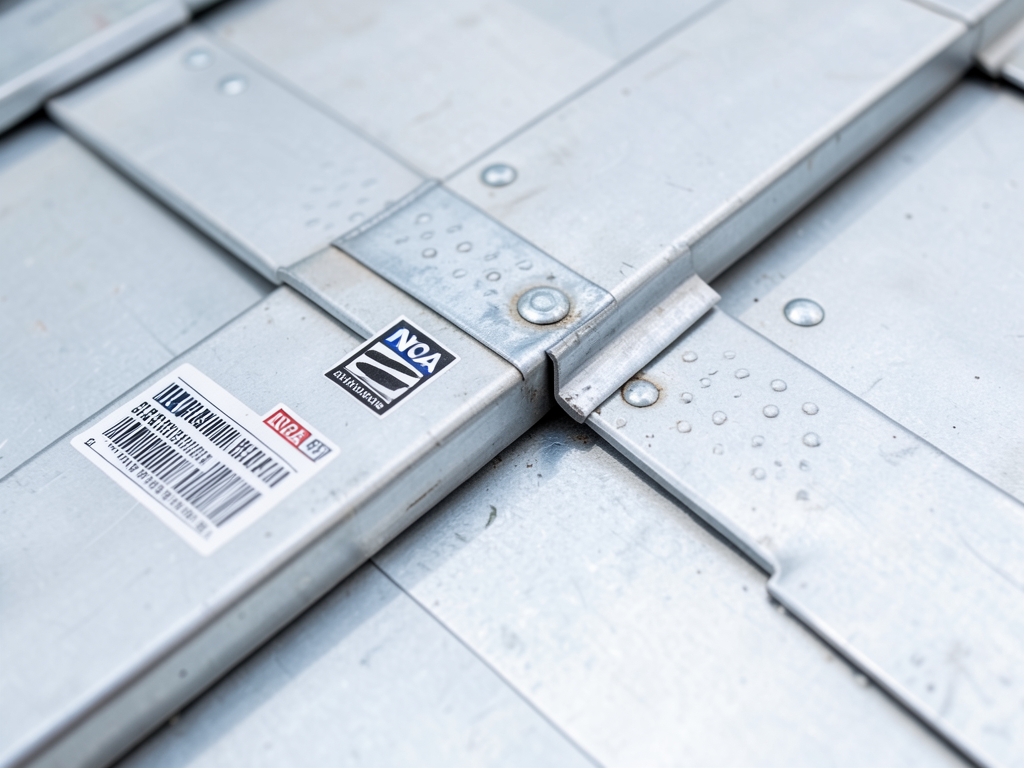
Miami-Dade County’s building codes represent the strictest in the nation for hurricane resistance. All roofing materials installed in Pinecrest must carry Miami-Dade Notice of Acceptance (NOA) certification, proving they can withstand extreme wind loads and impact from wind-borne debris.
Close-up of Miami-Dade NOA certification label showing wind uplift resistance ratings and impact test results for a standing seam metal roofing system.
NOA Requirements and Testing Standards
Miami-Dade NOA certification involves extensive testing beyond standard building code requirements. Products must pass wind uplift tests using a pressure chamber that simulates 200+ mph winds, impact tests with steel balls dropped from specific heights, and accelerated aging tests that expose materials to UV radiation and moisture for extended periods.
The Florida Building Code Chapter 15 specifically addresses roofing in High-Velocity Hurricane Zones. Section 1507.2.4 requires all roof coverings to be tested and approved for use in HVHZ areas. Metal roofing systems achieve NOA certification by demonstrating they can maintain structural integrity under combined wind and impact loads that exceed typical storm conditions.
Installation requirements under NOA specifications include specific fastener patterns, underlayment types, and edge detail treatments. For example, standing seam systems must use a minimum of one clip per panel width, and all perimeter edges require additional fasteners spaced at 6-inch intervals. These requirements ensure the roof remains intact during the most severe storms.
Impact Resistance and Class 4 Certification
Class 4 impact resistance represents the highest rating available for roofing materials, indicating they can withstand impacts from 2-inch steel balls dropped from 20 feet without cracking. This testing simulates wind-borne debris impact during hurricanes. All metal roofing systems installed in Pinecrest must achieve Class 4 rating to meet insurance requirements and building codes.
The impact resistance testing process involves dropping steel balls weighing approximately 5 pounds from increasing heights until failure occurs. Class 4 systems must survive the 20-foot drop without visible damage to the panel or protective coating. This durability proves particularly valuable in Pinecrest, where mature trees and landscaping can create wind-borne debris during storms.
Insurance companies often provide premium discounts for Class 4 rated roofs, recognizing their superior performance during severe weather. The combination of NOA certification and Class 4 impact resistance makes metal roofing an attractive option for homeowners seeking both aesthetic appeal and storm protection.
Installation Considerations for Pinecrest Homes
Successful metal roofing installation in Pinecrest requires attention to local conditions and specific techniques that ensure long-term performance. The installation process differs significantly from traditional roofing methods and requires specialized knowledge of South Florida’s unique challenges.
Substrate Preparation and Moisture Management
Proper substrate preparation forms the foundation for any successful metal roofing installation. Pinecrest’s high water table and frequent rainfall necessitate thorough moisture management strategies. Installers begin by inspecting the roof deck for signs of water damage, rot, or structural weakness. Any compromised decking must be replaced before metal panel installation begins.
The underlayment system plays a critical role in moisture management. Self-adhering modified bitumen sheets provide secondary waterproofing and protect against wind-driven rain that can penetrate panel seams. These underlayments carry Miami-Dade NOA certification and must be installed according to specific temperature and surface preparation requirements.
Flashing details around chimneys, skylights, and roof penetrations require special attention in Pinecrest’s climate. Technicians use soldered or welded metal flashing rather than traditional step flashing, creating watertight seals that resist separation during high winds. The flashing extends up vertical surfaces at least 6 inches and includes end dams to prevent water infiltration.
Fastener Selection and Corrosion Protection
Fastener selection significantly impacts metal roofing longevity in Pinecrest’s coastal environment. Standard fasteners corrode rapidly in salt air and high humidity, leading to panel detachment and water infiltration. Professional installers use stainless steel or coated fasteners specifically rated for coastal applications, with pullout strengths exceeding 500 pounds per fastener.
The fastener patterns vary based on wind uplift requirements and panel profiles. Standing seam systems typically use clips spaced 12-24 inches apart, depending on panel width and wind zone requirements. The clips allow thermal movement while maintaining consistent panel spacing and preventing oil canning or waviness in the finished roof.
Galvanic corrosion presents another concern when different metals contact each other. Installers use isolation gaskets or compatible metals to prevent accelerated corrosion at panel overlaps and flashing connections. This attention to detail extends roof system life by preventing the white rust and deterioration common in poorly installed metal roofs.
Cost Considerations and Return on Investment
Metal roofing represents a significant upfront investment compared to traditional materials, but the long-term benefits often justify the initial cost premium. Understanding the complete cost picture helps Pinecrest homeowners make informed decisions about their roofing investment.
Initial Installation Costs
Standing seam metal roofing typically costs $12-18 per square foot installed in the Pinecrest area, compared to $5-8 per square foot for architectural asphalt shingles. This price difference reflects the specialized materials, NOA certification requirements, and installation expertise needed for proper metal roofing systems.
Several factors influence installation costs in Pinecrest. Roof complexity affects labor time significantly—homes with multiple valleys, dormers, or unusual roof lines require more detailed work. The need for substrate repair or replacement adds costs, as does the removal and disposal of existing roofing materials.
Premium metal options like copper or zinc carry higher material costs but offer unique aesthetic qualities that some minimalist designs incorporate. Copper roofing, for example, develops a distinctive green patina over time that many architects specifically design around. These premium materials can cost $25-40 per square foot installed but provide unmatched longevity and visual appeal.
Long-Term Value and Savings
The extended lifespan of metal roofing provides substantial long-term value. While asphalt shingles typically last 15-20 years in Pinecrest’s climate, quality metal roofing systems can perform for 40-70 years with minimal maintenance. This longevity eliminates the need for multiple re-roofing cycles, reducing long-term ownership costs.
Energy savings represent another significant return on investment. Metal roofing’s reflective properties can reduce cooling costs by 20-40% annually, providing ongoing savings throughout the roof’s lifetime. For a typical Pinecrest home with annual cooling costs of $3,000, this translates to $600-1,200 in annual savings.
Insurance premium discounts for impact-resistant roofing can offset 5-15% of annual premiums. Combined with potential utility rebates for cool roofing, these savings can reduce the effective payback period to 7-10 years, after which the homeowner enjoys decades of reduced operating costs.
Maintenance and Care for Metal Roofs
Metal roofing requires less maintenance than traditional materials, but specific care practices ensure optimal performance throughout its extended lifespan. Understanding proper maintenance procedures helps Pinecrest homeowners protect their investment.
Routine Inspection and Cleaning
Annual inspections identify potential issues before they become significant problems. Professional roofers check for loose fasteners, damaged sealants, and signs of corrosion at panel overlaps and flashing connections. They also inspect attic spaces for signs of water infiltration, which may indicate problems with the roof system.
Cleaning metal roofing removes organic growth and debris that can trap moisture against the surface. Pinecrest’s humidity promotes algae and mildew growth on roofing surfaces, particularly in shaded areas. Gentle cleaning with appropriate solutions prevents these organisms from causing staining or accelerating material degradation.
Gutter maintenance proves especially important for metal roofing systems. Debris accumulation in gutters can cause water backup that damages fascia boards and creates conditions favorable for corrosion at panel edges. Regular gutter cleaning, particularly after seasonal storms, prevents these issues and ensures proper drainage.
Repair and Restoration
Metal roofing repairs require specialized knowledge and materials to maintain system integrity. Unlike traditional roofing, metal repairs must address thermal expansion, galvanic corrosion, and proper sealing techniques. Professional roofers use color-matched coatings and compatible fasteners to ensure repairs blend seamlessly with existing roofing.
Restoration options extend the life of existing metal roofing systems. Professional cleaning, rust treatment, and recoating can restore weathered metal roofs to like-new condition. These restoration services typically cost 30-50% less than full replacement while extending roof life by 10-15 years.
Paint warranties on quality metal roofing systems typically cover 20-30 years against chipping, peeling, and color fade. However, these warranties require proper maintenance and may be voided by neglect or improper cleaning methods. Understanding warranty requirements helps homeowners maintain coverage throughout the roof’s service life.
Choosing the Right Metal Roofing Contractor
Selecting a qualified contractor proves critical for successful metal roofing installation in Pinecrest. The specialized nature of these systems requires specific expertise, proper licensing, and understanding of local building requirements.
Licensing and Insurance Requirements
Florida requires roofing contractors to carry specific licenses for work in Miami-Dade County. The Certified Roofing Contractor license (CCC) demonstrates the contractor has passed rigorous examinations and maintains proper insurance coverage. Additionally, contractors must carry workers’ compensation insurance and general liability coverage to protect homeowners from potential damages.
Experience with Miami-Dade NOA requirements represents another critical qualification. Contractors must understand the specific testing standards, installation requirements, and documentation needed for NOA compliance. This knowledge ensures the installed roof meets all code requirements and maintains warranty coverage.
References from previous Pinecrest installations provide insight into the contractor’s experience with local conditions. Homes in this area face unique challenges including high winds, salt air exposure, and specific architectural styles that require specialized installation techniques. Contractors familiar with these conditions deliver better results than those unfamiliar with local requirements.
Project Planning and Timeline
Metal roofing installation requires careful project planning to minimize disruption and ensure proper installation sequencing. Professional contractors provide detailed timelines that account for weather conditions, material delivery schedules, and permit processing times. The typical installation for a Pinecrest home takes 3-5 days, depending on roof complexity and weather conditions.
Material lead times often extend 4-8 weeks for custom colors or specialty metals. Contractors should provide realistic timelines that account for these delays and include contingency plans for weather-related interruptions. The planning process should also address protection for landscaping and exterior features during installation.
Communication throughout the project ensures homeowners understand each phase of the installation process. Professional contractors provide regular updates, explain any necessary adjustments to the original plan, and maintain clean job sites throughout the project. This attention to detail reflects the quality of workmanship homeowners can expect in the finished roof.
Frequently Asked Questions
How long does metal roofing last in Pinecrest’s climate?
Quality metal roofing systems typically last 40-70 years in Pinecrest when properly installed and maintained. The extended lifespan results from superior materials, NOA-certified installation methods, and resistance to the specific challenges of South Florida’s climate including high winds, salt air, and intense UV exposure.
Will a metal roof make my home hotter in Miami’s climate?
Actually, metal roofing reduces heat gain in Miami homes. Modern cool metal roofing reflects 60-70% of solar radiation compared to 10-15% for traditional asphalt shingles. This reflective property can reduce attic temperatures by 20-30 degrees and lower cooling costs by 20-40% annually.
Does metal roofing require special permits in Pinecrest?
Yes, metal roofing installation in Pinecrest requires building permits and must meet Miami-Dade NOA requirements. The permitting process includes plan review, product certification verification, and final inspection to ensure compliance with High-Velocity Hurricane Zone standards and local building codes.
Can I install solar panels on a metal roof?
Metal roofing provides excellent support for solar panel installation. The structural integrity of metal systems exceeds that of traditional roofing, and specialized mounting brackets attach directly to the roof structure without penetrating the metal panels. Many homeowners combine metal roofing with solar installations for maximum energy efficiency.
How does metal roofing perform during hurricanes?
NOA-certified metal roofing systems are engineered to withstand hurricane-force winds exceeding 175 mph. The interlocking panel design, proper fastening patterns, and impact-resistant materials ensure the roof remains intact during severe storms. Many metal roofs survive hurricanes with minimal damage while traditional roofing often requires complete replacement.
Ready to enhance your Pinecrest home with modern metal roofing that combines minimalist aesthetics with hurricane protection? Call (645) 231-4888 today to schedule your inspection. Our NOA-certified team understands Pinecrest’s unique building requirements and can help you select the perfect metal roofing system for your home’s architectural style.
Don’t wait until the next storm season approaches. Pick up the phone and call (645) 231-4888 before hurricane season begins. Our experienced team will assess your current roof, explain your metal roofing options, and provide a detailed proposal that meets both your design vision and Miami-Dade’s strict building codes.
{
“@context”: “https://schema.org”,
“@type”: “BlogPosting”,
“headline”: “How Modern Metal Roofing Enhances the Minimalist Aesthetic of Pinecrest Architecture”,
“description”: “Explore how modern metal roofing systems enhance Pinecrest’s minimalist homes while meeting Miami-Dade’s strict hurricane codes. Learn about energy efficiency, durability, and contemporary design.”,
“wordCount”: 3163,
“datePublished”: “2026-06-01T13:16:00.000Z”,
“dateModified”: “2026-06-01T13:16:00.000Z”,
“inLanguage”: “en-US”,
“mainEntityOfPage”: {
“@type”: “WebPage”,
“@id”: “https://ironwoodroofingmiami.com”
},
“publisher”: {
“@type”: “LocalBusiness”,
“name”: “Ironwood Roofing Miami”,
“url”: “https://ironwoodroofingmiami.com”
},
“author”: {
“@type”: “Organization”,
“name”: “Ironwood Roofing Miami”,
“url”: “https://ironwoodroofingmiami.com”
},
“image”: {
“@type”: “ImageObject”,
“url”: “https://ironwoodroofingmiami.com/wp-content/uploads/2026/03/how-modern-metal-roofing-enhances-the-minimalist-a-1.png”
}
}
{
“@context”: “https://schema.org”,
“@type”: “RoofingContractor”,
“name”: “Ironwood Roofing Miami”,
“url”: “https://ironwoodroofingmiami.com”,
“address”: {
“@type”: “PostalAddress”,
“addressLocality”: “Miami”
},
“areaServed”: {
“@type”: “City”,
“name”: “Miami”
}
}
{
“@context”: “https://schema.org”,
“@type”: “FAQPage”,
“mainEntity”: [
{
“@type”: “Question”,
“name”: “How long does metal roofing last in Pinecrest’s climate?”,
“acceptedAnswer”: {
“@type”: “Answer”,
“text”: “Quality metal roofing systems typically last 40-70 years in Pinecrest when properly installed and maintained. The extended lifespan results from superior materials, NOA-certified installation methods, and resistance to the specific challenges of South Florida’s climate including high winds, salt air, and intense UV exposure.”
}
},
{
“@type”: “Question”,
“name”: “Will a metal roof make my home hotter in Miami’s climate?”,
“acceptedAnswer”: {
“@type”: “Answer”,
“text”: “Actually, metal roofing reduces heat gain in Miami homes. Modern cool metal roofing reflects 60-70% of solar radiation compared to 10-15% for traditional asphalt shingles. This reflective property can reduce attic temperatures by 20-30 degrees and lower cooling costs by 20-40% annually.”
}
},
{
“@type”: “Question”,
“name”: “Does metal roofing require special permits in Pinecrest?”,
“acceptedAnswer”: {
“@type”: “Answer”,
“text”: “Yes, metal roofing installation in Pinecrest requires building permits and must meet Miami-Dade NOA requirements. The permitting process includes plan review, product certification verification, and final inspection to ensure compliance with High-Velocity Hurricane Zone standards and local building codes.”
}
},
{
“@type”: “Question”,
“name”: “Can I install solar panels on a metal roof?”,
“acceptedAnswer”: {
“@type”: “Answer”,
“text”: “Metal roofing provides excellent support for solar panel installation. The structural integrity of metal systems exceeds that of traditional roofing, and specialized mounting brackets attach directly to the roof structure without penetrating the metal panels. Many homeowners combine metal roofing with solar installations for maximum energy efficiency.”
}
},
{
“@type”: “Question”,
“name”: “How does metal roofing perform during hurricanes?”,
“acceptedAnswer”: {
“@type”: “Answer”,
“text”: “NOA-certified metal roofing systems are engineered to withstand hurricane-force winds exceeding 175 mph. The interlocking panel design, proper fastening patterns, and impact-resistant materials ensure the roof remains intact during severe storms. Many metal roofs survive hurricanes with minimal damage while traditional roofing often requires complete replacement.”
}
}
]
}
{
“@context”: “https://schema.org”,
“@type”: “BreadcrumbList”,
“itemListElement”: [
{
“@type”: “ListItem”,
“position”: 1,
“name”: “Home”,
“item”: “https://ironwoodroofingmiami.com”
},
{
“@type”: “ListItem”,
“position”: 2,
“name”: “Blog”,
“item”: “https://ironwoodroofingmiami.com/blog”
},
{
“@type”: “ListItem”,
“position”: 3,
“name”: “How Modern Metal Roofing Enhances the Minimalist Aesthetic of Pinecrest Architecture”
}
]
}
{
“@context”: “https://schema.org”,
“@type”: “Service”,
“serviceType”: “Roofing”,
“provider”: {
“@type”: “LocalBusiness”,
“name”: “Ironwood Roofing Miami”,
“url”: “https://ironwoodroofingmiami.com”
},
“areaServed”: {
“@type”: “City”,
“name”: “Miami”
},
“description”: “Explore how modern metal roofing systems enhance Pinecrest’s minimalist homes while meeting Miami-Dade’s strict hurricane codes. Learn about energy efficiency, durability, and contemporary design.”
}