Fixing Roof Leaks Caused by Restaurant Exhaust Fans and Grease Traps in Wynwood
Restaurant kitchens in Wynwood create unique roofing challenges. Grease from exhaust fans degrades roofing membranes while high-heat discharge creates stress points around fan curbs. These leaks can shut down your business fast. Miami-Dade County’s High Velocity Hurricane Zone (HVHZ) building codes add another layer of complexity. This guide shows you how to fix these problems the right way. Miami-Dade Building Code Compliance Office.
Why Wynwood Restaurants Face Special Roofing Problems
Wynwood’s converted warehouses and industrial spaces weren’t built for today’s restaurant demands. The neighborhood’s Art District location means older buildings with flat roofs that weren’t designed for modern commercial kitchens. When you add in Miami’s heat and humidity plus the grease and steam from restaurant operations you get a perfect storm for roof failure.
Restaurants along NW 2nd Avenue and near Wynwood Walls often operate in buildings from the 1950s and 1960s. These structures weren’t built to handle the weight of modern HVAC units or the heat output from today’s commercial cooking equipment. The flat roof designs common in Wynwood trap grease and moisture accelerating membrane breakdown.
How Grease Destroys Commercial Roofing Materials
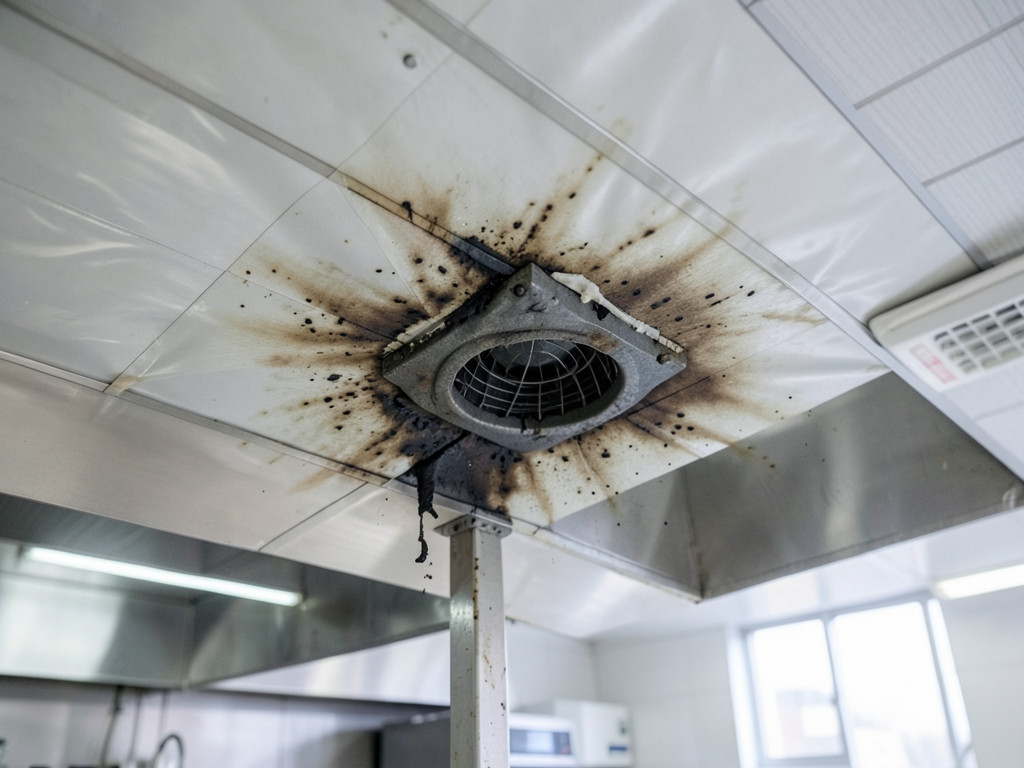
Grease doesn’t just sit on your roof. It penetrates roofing membranes breaks down adhesives and creates weak spots that water exploits. Animal fats and cooking oils are particularly destructive to EPDM rubber and modified bitumen roofing systems. The heat from exhaust fans bakes the grease into the membrane making it brittle and prone to cracking. The Best Metal Roofing Options for Homes in Key Biscayne.
Temperature cycling in Wynwood makes things worse. During the day exhaust fans run hot. At night they cool down. This expansion and contraction cycle causes the grease-saturated membrane to separate from the roof deck. You’ll notice this as bubbling or blistering around fan curbs and HVAC units.
Water testing around exhaust fan bases often reveals the first signs of failure. When technicians apply water to suspected leak areas they can trace the path of water infiltration through the damaged membrane. This diagnostic test helps pinpoint exactly where repairs are needed. Professional Flat Roof Repair Services for Brickell Business Owners.
Miami-Dade HVHZ Building Code Requirements
Commercial kitchen repairs in Wynwood must comply with Miami-Dade County’s strict HVHZ building codes. All roofing materials require a Notice of Acceptance (NOA) from the Miami-Dade Building Code Compliance Office. This means your contractor must use approved materials that have passed rigorous testing for wind uplift and impact resistance.
Section 1521.1 of the Florida Building Code requires secondary water barriers for commercial re-roofing projects. This means even if your primary membrane fails a backup layer prevents water from reaching the building interior. For restaurants this protects expensive kitchen equipment and prevents health code violations. Florida Building Code Section 1521.1.
NFPA 96 standards govern commercial kitchen ventilation systems. These codes require specific clearances and fire-rated materials around exhaust fans. When repairing roof leaks contractors must ensure compliance with both building codes and fire safety standards. NFPA 96 Commercial Kitchen Ventilation Standards.
Common Leak Points Around Restaurant Exhaust Systems
Exhaust fan curbs are the most frequent leak source in commercial kitchens. The curb is the raised frame that supports the fan and creates a transition between the fan housing and the roof surface. Over time the sealant between the curb and membrane breaks down from heat and grease exposure.
HVAC units create similar problems. The weight of these units compresses the roofing material creating low spots where water pools. When grease mixes with standing water it forms a corrosive solution that eats through membranes in months rather than years.
Penetration points around electrical conduits gas lines and plumbing vents are also vulnerable. Each penetration creates a potential entry point for water. The more penetrations near your kitchen equipment the higher your leak risk.
Specialized Repair Materials for Kitchen Roofs
Not all roofing materials handle grease the same way. PVC roofing membranes offer superior resistance to animal fats and cooking oils. The chemical structure of PVC makes it naturally resistant to grease penetration. Many PVC membranes carry specific certifications for commercial kitchen applications.
TPO (Thermoplastic Polyolefin) roofing provides good grease resistance but requires careful welding techniques. The seams must be heat-welded to create a continuous barrier. Poor welding allows grease to seep between membrane sections causing separation and leaks.. Read more about Why Your Rooftop AC Unit Is Causing Leaks in Your Richmond West Business.
Modified bitumen systems can work for kitchen roofs but need extra protection. A sacrificial layer of reinforced cap sheet protects the underlying membrane from grease and physical damage. This adds cost but extends roof life significantly.
Our Specialized Repair Process for Wynwood Restaurants
We start with a comprehensive roof inspection using infrared scanning to detect moisture beneath the surface. This technology shows us exactly where water has penetrated the membrane system. We document all findings with photos and moisture readings. Finding a Reliable Roof Repair Company in Coconut Grove.
Next we assess your grease containment system. Many restaurants don’t realize they need proper grease traps on the roof. These devices catch grease before it reaches the roof surface extending membrane life. We’ll recommend upgrades if your current system is inadequate.
Surface preparation is critical. We remove all loose material clean the area with degreaser and allow it to dry completely. This step ensures proper adhesion of repair materials. We never apply patches over dirty or greasy surfaces.
For membrane repairs we use heat-welding techniques that create stronger bonds than adhesives. The welded seam becomes part of the original membrane creating a seamless repair. This method works best for PVC and TPO systems.
Finally we apply protective coatings to high-risk areas. These coatings provide an extra barrier against grease and UV damage. They also make future cleaning easier helping you maintain your roof between professional inspections.
Preventing Future Kitchen Roof Leaks
Regular maintenance prevents most kitchen roof problems. Schedule quarterly inspections during your off-season. Look for signs of membrane degradation around exhaust fans and HVAC units. Early detection saves thousands in repair costs.
Clean your roof twice yearly. Remove leaves trash and other debris that traps moisture. Pay special attention to areas around fan curbs and equipment curbs. Debris buildup accelerates membrane breakdown.
Check your exhaust fan operation. Fans that don’t vent properly create condensation that drips back onto the roof. Make sure all kitchen equipment vents directly outside not into attic spaces or mechanical rooms.
Install walk pads in high-traffic areas. Kitchen staff often access roof equipment for maintenance. Without protection foot traffic damages the membrane and creates weak spots for water infiltration.
Why Wynwood Businesses Trust Our Expertise
We understand Wynwood’s unique challenges. The neighborhood’s mix of converted warehouses and new construction requires different approaches. A 1960s concrete block building needs different solutions than a 2020s steel frame structure.
Our team holds Florida State Certified Roofing Contractor licenses and maintains current Miami-Dade NOA certifications. We stay current with code changes and material innovations. This knowledge ensures your repairs meet all local requirements.
We offer 24/7 emergency service because restaurant leaks can’t wait. A kitchen shutdown costs you money every hour. Our rapid response team can tarp damaged areas and prevent further water intrusion while permanent repairs are planned.
We’ve worked on restaurants near Wynwood Walls along NW 29th Street and in the Wynwood 25 development. This local experience means we understand the specific challenges each building type presents.
Comparing Repair vs. Replacement Options
| Option | Cost Range | Timeline | Best For |
|---|---|---|---|
| Spot Repairs | $500 – $2,500 | 1-2 days | Small leaks good overall condition |
| Partial Replacement | $3,000 – $8,000 | 3-5 days | Multiple leak areas aging membrane |
| Full Replacement | $10,000 – $25,000 | 1-2 weeks | Extensive damage old system |
Spot repairs work when damage is limited to specific areas. They’re the most cost-effective option for new roofs with isolated problems. However if your roof is over 10 years old and has multiple leak points replacement often makes more financial sense.
Partial replacement allows you to fix problem areas while extending the life of good sections. This option works well when some areas have more sun exposure or equipment that causes accelerated wear.
Emergency Response for Active Leaks
Active leaks require immediate action. First contain the water to prevent damage to kitchen equipment and inventory. Use buckets tarps and plastic sheeting to direct water to drains or outside.
Turn off electrical equipment in affected areas. Water and electricity create serious hazards. Don’t risk employee safety trying to save equipment.
Document the damage with photos. This helps with insurance claims and helps contractors understand the scope of repairs needed. Note when the leak started and what conditions were present.
Call for emergency service immediately. The longer water sits on your roof the more damage it causes. Quick response can mean the difference between a simple repair and a major replacement.
Cost Factors for Kitchen Roof Repairs
Several factors affect repair costs. Roof accessibility impacts labor costs. If your building lacks roof access or requires special equipment to reach the roof expect higher prices.
Material selection affects both initial cost and long-term performance. Premium materials like grease-resistant PVC cost more upfront but often save money over time through reduced maintenance and longer life spans.
The extent of damage determines repair complexity. A simple seam repair takes hours. Replacing an entire fan curb system takes days and requires more specialized skills.
Code compliance requirements add costs but are non-negotiable. HVHZ requirements mean using approved materials and installation methods. Cutting corners risks failed inspections and potential fines.
Frequently Asked Questions
How often should I inspect my restaurant roof?
Commercial kitchen roofs need quarterly inspections minimum. High-use periods like holidays or tourist seasons may require additional checks. Regular inspections catch problems before they become emergencies.
Can I repair roof leaks myself?
DIY repairs often void warranties and may not meet code requirements. Commercial roofing requires specialized tools and knowledge. Improper repairs can trap water and cause more extensive damage.
How long do commercial kitchen roof repairs take?
Simple repairs take 1-2 days. Complex projects involving multiple leak points or system replacements may take a week or more. We work with you to minimize kitchen downtime.
What’s the best roofing material for restaurant kitchens?
PVC membranes offer the best grease resistance and durability for commercial kitchens. They’re specifically engineered to handle the unique challenges of restaurant operations. TPO provides good performance at a lower cost point.
Next Steps for Wynwood Restaurant Owners
Don’t wait for a major leak to address your commercial kitchen roofing needs. Schedule a professional inspection today to identify potential problems before they impact your business. We’ll provide a detailed assessment and recommend solutions that fit your budget and operational requirements.
Our team understands the Wynwood restaurant scene. We know the building types the code requirements and the unique challenges your kitchen creates. Let us help you protect your investment with proper roofing solutions.
Call (645) 231-4888 today to schedule your inspection. Our 24/7 emergency service means we’re always ready when you need us. Don’t let a roof leak shut down your restaurant business.
{
“@context”: “https://schema.org”,
“@type”: “BlogPosting”,
“headline”: “Fixing Roof Leaks Caused by Restaurant Exhaust Fans and Grease Traps in Wynwood”,
“description”: “Expert roof leak repair for Wynwood restaurants. Solve grease trap and exhaust fan problems with HVHZ code-compliant solutions. Call (645) 231-4888.”,
“wordCount”: 1834,
“datePublished”: “2026-06-02T13:50:00.000Z”,
“dateModified”: “2026-06-02T13:50:00.000Z”,
“inLanguage”: “en-US”,
“mainEntityOfPage”: {
“@type”: “WebPage”,
“@id”: “https://ironwoodroofingmiami.com”
},
“publisher”: {
“@type”: “LocalBusiness”,
“name”: “Ironwood Roofing Miami”,
“url”: “https://ironwoodroofingmiami.com”
},
“author”: {
“@type”: “Organization”,
“name”: “Ironwood Roofing Miami”,
“url”: “https://ironwoodroofingmiami.com”
},
“image”: {
“@type”: “ImageObject”,
“url”: “https://ironwoodroofingmiami.com/wp-content/uploads/2026/03/fixing-roof-leaks-caused-by-restaurant-exhaust-fan-1.png”
}
}
{
“@context”: “https://schema.org”,
“@type”: “RoofingContractor”,
“name”: “Ironwood Roofing Miami”,
“url”: “https://ironwoodroofingmiami.com”,
“address”: {
“@type”: “PostalAddress”,
“addressLocality”: “Miami”
},
“areaServed”: {
“@type”: “City”,
“name”: “Miami”
}
}
{
“@context”: “https://schema.org”,
“@type”: “FAQPage”,
“mainEntity”: [
{
“@type”: “Question”,
“name”: “How often should I inspect my restaurant roof?”,
“acceptedAnswer”: {
“@type”: “Answer”,
“text”: “Commercial kitchen roofs need quarterly inspections minimum. High-use periods like holidays or tourist seasons may require additional checks. Regular inspections catch problems before they become emergencies.”
}
},
{
“@type”: “Question”,
“name”: “Can I repair roof leaks myself?”,
“acceptedAnswer”: {
“@type”: “Answer”,
“text”: “DIY repairs often void warranties and may not meet code requirements. Commercial roofing requires specialized tools and knowledge. Improper repairs can trap water and cause more extensive damage.”
}
},
{
“@type”: “Question”,
“name”: “How long do commercial kitchen roof repairs take?”,
“acceptedAnswer”: {
“@type”: “Answer”,
“text”: “Simple repairs take 1-2 days. Complex projects involving multiple leak points or system replacements may take a week or more. We work with you to minimize kitchen downtime.”
}
},
{
“@type”: “Question”,
“name”: “What’s the best roofing material for restaurant kitchens?”,
“acceptedAnswer”: {
“@type”: “Answer”,
“text”: “PVC membranes offer the best grease resistance and durability for commercial kitchens. They’re specifically engineered to handle the unique challenges of restaurant operations. TPO provides good performance at a lower cost point.”
}
}
]
}
{
“@context”: “https://schema.org”,
“@type”: “BreadcrumbList”,
“itemListElement”: [
{
“@type”: “ListItem”,
“position”: 1,
“name”: “Home”,
“item”: “https://ironwoodroofingmiami.com”
},
{
“@type”: “ListItem”,
“position”: 2,
“name”: “Blog”,
“item”: “https://ironwoodroofingmiami.com/blog”
},
{
“@type”: “ListItem”,
“position”: 3,
“name”: “Fixing Roof Leaks Caused by Restaurant Exhaust Fans and Grease Traps in Wynwood”
}
]
}
{
“@context”: “https://schema.org”,
“@type”: “Service”,
“serviceType”: “Roofing”,
“provider”: {
“@type”: “LocalBusiness”,
“name”: “Ironwood Roofing Miami”,
“url”: “https://ironwoodroofingmiami.com”
},
“areaServed”: {
“@type”: “City”,
“name”: “Miami”
},
“description”: “Expert roof leak repair for Wynwood restaurants. Solve grease trap and exhaust fan problems with HVHZ code-compliant solutions. Call (645) 231-4888.”
}