Comparing Peel and Stick vs Synthetic Underlayment for Miami Summer Heat
Miami’s summer heat pushes roofing materials to their limits. When the sun beats down on your roof, the underlayment beneath becomes the first line of defense against water intrusion, UV damage, and wind-driven rain. Choosing between peel-and-stick self-adhered membranes and synthetic underlayment isn’t just about cost—it’s about surviving Miami’s 90+ degree temperatures, 90% humidity, and hurricane-force winds. The Best Metal Roofing Options for Homes in Key Biscayne.
Self-adhered membranes bond directly to the roof deck, creating a watertight seal that synthetic sheets cannot match. But synthetic underlayment offers lightweight installation and breathability that many contractors prefer. The right choice depends on your roof type, budget, and whether you want to maximize insurance discounts through secondary water barrier compliance.
What is Synthetic Underlayment? (The Breathable Shield)
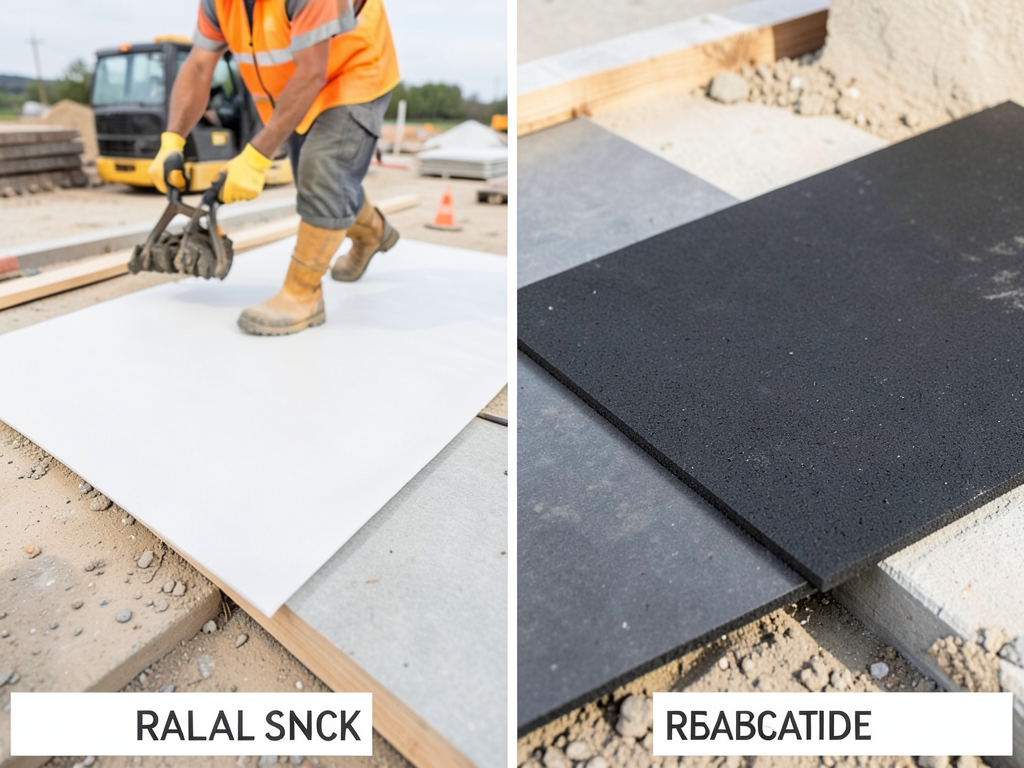
Synthetic underlayment consists of woven or non-woven polypropylene sheets designed to shed water while allowing vapor transmission. Unlike traditional felt paper, these materials resist tearing and maintain dimensional stability in Miami’s extreme heat. The polypropylene fibers create a durable mat that weighs less than half of traditional felt, making installation faster for roofing crews working in summer humidity. Roofing Cutler Bay.
The material’s breathability prevents moisture buildup in attic spaces, which is critical in South Florida where daily thunderstorms can trap humidity beneath roof decks. Most synthetic products carry Miami-Dade Notice of Acceptance (NOA) ratings for high-velocity hurricane zones, though they typically require mechanical fastening rather than the adhesive bond of peel-and-stick systems. Miami-Dade Notice of Acceptance (NOA) Program.
Key characteristics: UV exposure limits of 90-180 days, walkability ratings for roof access, and temperature stability up to 240°F. These specifications matter when your roof sits under Miami’s summer sun for months during construction delays.
What is Peel and Stick (Self-Adhered) Underlayment? (The Watertight Seal)
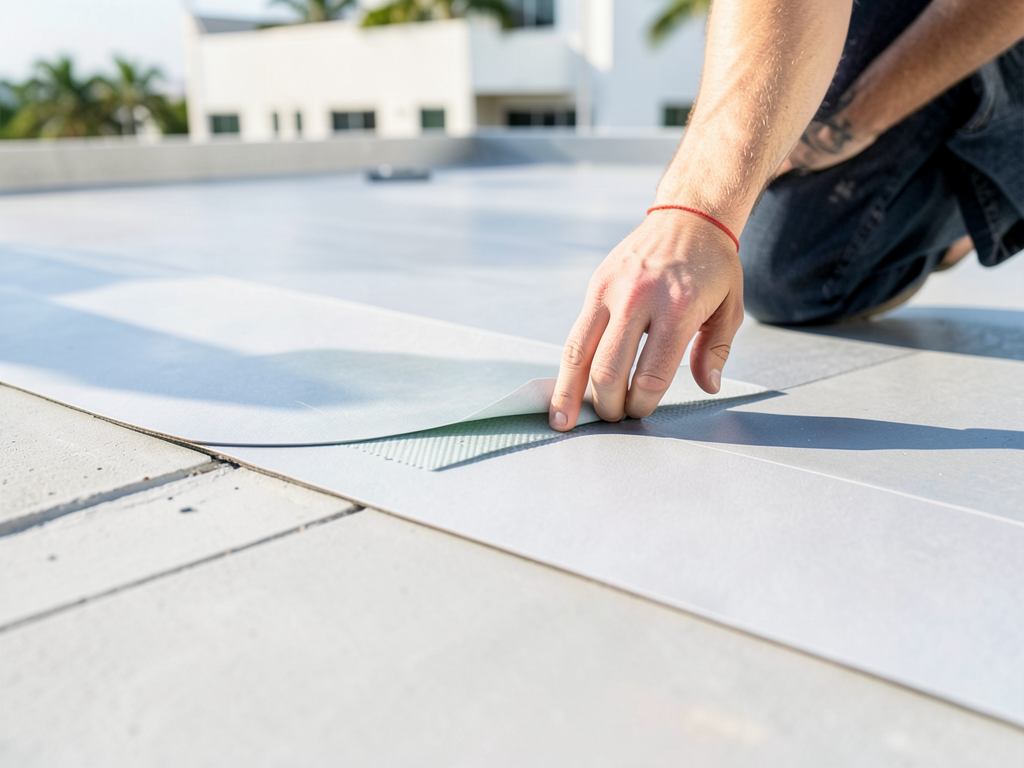
Peel and stick underlayment uses SBS-modified bitumen with a release film that crews remove during installation. The rubberized asphalt compound creates an immediate adhesive bond to the roof deck, forming a secondary water barrier that synthetic sheets cannot provide. This material becomes the insurance industry’s gold standard for hurricane protection. Protecting Your Home with Hurricane Rated Roofing Systems in Miami.
The self-adhering nature means no fasteners penetrate the membrane, eliminating potential leak points. In Miami’s High Velocity Hurricane Zone (HVHZ), this continuous seal prevents wind-driven rain from infiltrating through nail holes during tropical storms. The material also resists ponding water better than synthetics, which can degrade when standing water sits on the surface for extended periods.
Installation requires clean, dry decking and temperatures above 40°F for proper adhesion. Miami’s year-round warmth actually benefits peel-and-stick application, as the heat activates the adhesive more quickly. However, the material’s weight—typically 60-80 pounds per roll—means crews need more labor and equipment for transport.
Side-by-Side Comparison: Performance in South Florida
| Characteristic | Synthetic Underlayment | Peel and Stick Underlayment |
|---|---|---|
| Installation Time (per 100 sq ft) | 15-20 minutes | 25-35 minutes |
| Cost per Square Foot (Miami) | $0.25-$0.40 | $0.80-$1.20 |
| UV Exposure Limit | 90-180 days | 120-180 days |
| Wind Uplift Rating (Miami-Dade NOA) | 130-150 mph | 180+ mph |
| Secondary Water Barrier | No | Yes |
| Temperature Resistance | Up to 240°F | Up to 250°F |
Florida Building Code & HVHZ Requirements
Miami-Dade County enforces the strictest roofing standards in the nation through its High Velocity Hurricane Zone requirements. Florida Building Code Section 15 mandates secondary water resistance for all residential re-roofing projects, creating a direct advantage for peel-and-stick systems. This requirement stems from post-Hurricane Andrew analysis showing water intrusion through fastener penetrations caused billions in damage. Florida Building Code Information.
The Miami-Dade Notice of Acceptance (NOA) program tests underlayment materials for wind uplift, impact resistance, and long-term durability in tropical conditions. Only products passing these tests receive NOA numbers, which contractors must verify before installation. Peel-and-stick membranes consistently achieve higher wind ratings because their adhesive bond distributes uplift forces across the entire surface rather than concentrating stress around individual fasteners.
Insurance companies recognize this difference through wind mitigation credits. Homes with peel-and-stick underlayment often qualify for 15-25% premium reductions because the secondary water barrier significantly reduces claim frequency after tropical storms. The upfront cost difference typically pays for itself within 3-5 years through these savings.
Cost Analysis for Miami Homeowners
The price gap between synthetic and peel-and-stick underlayment reflects more than material costs. Synthetic installation requires fewer crew members and less specialized equipment, reducing labor expenses. A typical 2,000-square-foot roof might cost $400-$600 for synthetic underlayment versus $1,600-$2,400 for peel-and-stick.
However, Miami’s insurance market changes this equation. Wind mitigation inspectors document secondary water barriers during their assessments, and homes lacking this protection often face higher premiums or coverage denials. The Florida Office of Insurance Regulation reports that secondary water barriers reduce water damage claims by 40-60% in hurricane-prone areas.
Long-term performance also factors into total cost. Synthetic underlayment can degrade when exposed to Miami’s intense UV radiation during construction delays, potentially requiring replacement before shingle installation. Peel-and-stick maintains its integrity even when left exposed for months, preventing costly rework and protecting the roof deck from incidental moisture during the building process.
Frequently Asked Questions
Can I use synthetic underlayment under metal roofing in Miami?
Yes, synthetic underlayment works well under metal roofing when properly fastened according to Miami-Dade NOA specifications. However, the metal panels themselves provide excellent water shedding, so the underlayment’s primary role becomes secondary protection rather than primary waterproofing. Some contractors still recommend peel-and-stick for its secondary water barrier benefits, especially on low-slope sections where wind-driven rain poses greater risk. Metal Roofing Systems.
Does peel and stick underlayment cause attic heat buildup?
No, peel and stick underlayment does not significantly increase attic temperatures when installed correctly. The material’s low-emissivity surface actually reflects some radiant heat, and proper attic ventilation remains the primary factor controlling temperature. Miami’s building code requires minimum ventilation rates regardless of underlayment type, ensuring adequate airflow to prevent heat accumulation.
How long does underlayment last in Miami’s climate?
Both materials can last 20-30 years when protected by roofing materials, but synthetic underlayment’s UV exposure limits make it vulnerable during construction or if roofing materials fail prematurely. Peel-and-stick maintains better long-term performance because its adhesive bond prevents moisture infiltration that can degrade the roof deck over time. In Miami’s humid environment, this moisture protection often determines which system lasts longer.
Is peel and stick underlayment worth the extra cost?
For most Miami homeowners, yes. The combination of insurance discounts, superior hurricane protection, and reduced risk of water damage makes peel-and-stick cost-effective over the roof’s lifetime. Homes in coastal areas or those with complex rooflines particularly benefit from the enhanced protection. However, budget-conscious homeowners with simple gable roofs might find synthetic underlayment sufficient when combined with high-quality flashing and proper installation techniques. Why Homeowners in Coral Gables Choose Professional Tile Roof Installation.
Call (645) 231-4888 today to schedule your inspection. Don’t wait until the next storm reveals your underlayment’s weaknesses. Our Miami-based team understands exactly which materials survive our unique climate challenges and can recommend the right system for your home’s specific needs.
Choosing between peel-and-stick and synthetic underlayment ultimately comes down to your priorities. If maximum hurricane protection and insurance savings matter most, peel-and-stick delivers proven performance in Miami’s extreme conditions. If budget constraints dominate your decision and your roof design minimizes water intrusion risks, synthetic underlayment provides adequate protection when properly installed.
The Miami climate demands more from roofing materials than most of the country experiences. Our combination of heat, humidity, and hurricane threats eliminates many products that work fine in milder regions. By understanding these specific challenges and selecting materials tested for our unique conditions, you protect not just your roof but your entire home investment.
Pick up the phone and call (645) 231-4888 before the next storm hits. Every day without proper underlayment protection is a gamble in Miami’s tropical storm season. Our experts can assess your current roof condition, explain your material options in plain language, and provide a detailed quote showing exactly how each choice affects your home’s storm resistance and insurance costs.
Remember that underlayment represents just one component of a complete roofing system. Proper flashing, adequate ventilation, and quality shingles all work together with your chosen underlayment to create a roof that truly protects your home. We take a comprehensive approach, ensuring every element meets or exceeds Miami-Dade’s strict building standards.
You may also find this helpful. Comparing GAF and Owens Corning Shingles for Wind Resistance in Country Walk.
{
“@context”: “https://schema.org”,
“@type”: “BlogPosting”,
“headline”: “Comparing Peel and Stick vs Synthetic Underlayment for Miami Summer Heat”,
“description”: “Discover which underlayment survives Miami’s brutal heat and hurricanes. Compare peel-and-stick vs synthetic for code compliance, insurance savings, and long-term durability.”,
“wordCount”: 1382,
“datePublished”: “2026-06-05T10:34:00.000Z”,
“dateModified”: “2026-06-05T10:34:00.000Z”,
“inLanguage”: “en-US”,
“mainEntityOfPage”: {
“@type”: “WebPage”,
“@id”: “https://ironwoodroofingmiami.com”
},
“publisher”: {
“@type”: “LocalBusiness”,
“name”: “Ironwood Roofing Miami”,
“url”: “https://ironwoodroofingmiami.com”
},
“author”: {
“@type”: “Organization”,
“name”: “Ironwood Roofing Miami”,
“url”: “https://ironwoodroofingmiami.com”
},
“image”: {
“@type”: “ImageObject”,
“url”: “https://ironwoodroofingmiami.com/wp-content/uploads/2026/03/comparing-peel-and-stick-vs-synthetic-underlayment-1.png”
}
}
{
“@context”: “https://schema.org”,
“@type”: “RoofingContractor”,
“name”: “Ironwood Roofing Miami”,
“url”: “https://ironwoodroofingmiami.com”,
“address”: {
“@type”: “PostalAddress”,
“addressLocality”: “Miami”
},
“areaServed”: {
“@type”: “City”,
“name”: “Miami”
}
}
{
“@context”: “https://schema.org”,
“@type”: “FAQPage”,
“mainEntity”: [
{
“@type”: “Question”,
“name”: “Can I use synthetic underlayment under metal roofing in Miami?”,
“acceptedAnswer”: {
“@type”: “Answer”,
“text”: “Yes, synthetic underlayment works well under metal roofing when properly fastened according to Miami-Dade NOA specifications. However, the metal panels themselves provide excellent water shedding, so the underlayment’s primary role becomes secondary protection rather than primary waterproofing. Some contractors still recommend peel-and-stick for its secondary water barrier benefits, especially on low-slope sections where wind-driven rain poses greater risk. Metal Roofing Systems.”
}
},
{
“@type”: “Question”,
“name”: “Does peel and stick underlayment cause attic heat buildup?”,
“acceptedAnswer”: {
“@type”: “Answer”,
“text”: “No, peel and stick underlayment does not significantly increase attic temperatures when installed correctly. The material’s low-emissivity surface actually reflects some radiant heat, and proper attic ventilation remains the primary factor controlling temperature. Miami’s building code requires minimum ventilation rates regardless of underlayment type, ensuring adequate airflow to prevent heat accumulation.”
}
},
{
“@type”: “Question”,
“name”: “How long does underlayment last in Miami’s climate?”,
“acceptedAnswer”: {
“@type”: “Answer”,
“text”: “Both materials can last 20-30 years when protected by roofing materials, but synthetic underlayment’s UV exposure limits make it vulnerable during construction or if roofing materials fail prematurely. Peel-and-stick maintains better long-term performance because its adhesive bond prevents moisture infiltration that can degrade the roof deck over time. In Miami’s humid environment, this moisture protection often determines which system lasts longer.”
}
},
{
“@type”: “Question”,
“name”: “Is peel and stick underlayment worth the extra cost?”,
“acceptedAnswer”: {
“@type”: “Answer”,
“text”: “For most Miami homeowners, yes. The combination of insurance discounts, superior hurricane protection, and reduced risk of water damage makes peel-and-stick cost-effective over the roof’s lifetime. Homes in coastal areas or those with complex rooflines particularly benefit from the enhanced protection. However, budget-conscious homeowners with simple gable roofs might find synthetic underlayment sufficient when combined with high-quality flashing and proper installation techniques. Why Homeowners in Coral Gables Choose Professional Tile Roof Installation.”
}
}
]
}
{
“@context”: “https://schema.org”,
“@type”: “BreadcrumbList”,
“itemListElement”: [
{
“@type”: “ListItem”,
“position”: 1,
“name”: “Home”,
“item”: “https://ironwoodroofingmiami.com”
},
{
“@type”: “ListItem”,
“position”: 2,
“name”: “Blog”,
“item”: “https://ironwoodroofingmiami.com/blog”
},
{
“@type”: “ListItem”,
“position”: 3,
“name”: “Comparing Peel and Stick vs Synthetic Underlayment for Miami Summer Heat”
}
]
}
{
“@context”: “https://schema.org”,
“@type”: “Service”,
“serviceType”: “Roofing”,
“provider”: {
“@type”: “LocalBusiness”,
“name”: “Ironwood Roofing Miami”,
“url”: “https://ironwoodroofingmiami.com”
},
“areaServed”: {
“@type”: “City”,
“name”: “Miami”
},
“description”: “Discover which underlayment survives Miami’s brutal heat and hurricanes. Compare peel-and-stick vs synthetic for code compliance, insurance savings, and long-term durability.”
}