Choosing the Best Roof Color to Keep Your Cutler Bay House Cool
Living in Cutler Bay means dealing with relentless South Florida sun and heat that can drive your cooling costs through the roof. The color you choose for your roof plays a major role in how much heat gets absorbed into your home. Light-colored roofs can reflect up to 70% of solar energy while dark roofs absorb over 90% turning your attic into an oven that your AC must constantly fight against. Cool Roof Rating Council.
The right roof color isn’t just about looks. It’s about creating a cooler home and lower FPL bills. In Cutler Bay’s climate zone where summer temperatures regularly hit the 90s with high humidity your roof becomes your first line of defense against heat gain. Choosing the wrong color can add hundreds of dollars to your annual cooling costs while the right one can make your home noticeably more comfortable. Roofing Cutler Bay.
Let’s break down exactly which colors work best for Cutler Bay homes and why the science behind cool roofing matters more here than anywhere else in the country. The Best Metal Roofing Options for Homes in Key Biscayne.
Understanding Solar Reflectance Index (SRI) in South Florida
The Solar Reflectance Index measures how well a roof reflects solar heat. In Miami-Dade County where we sit in the High-Velocity Hurricane Zone (HVHZ) this number becomes critical. A standard black asphalt shingle might have an SRI of 1 while a premium white cool roof can reach 100. Miami-Dade NOA approvals.
Cutler Bay homes specifically need high SRI ratings because our location near Black Point Marina means salt air accelerates heat absorption on darker surfaces. The combination of UV exposure and humidity creates a perfect storm for heat retention. A roof with an SRI below 40 will typically transfer 40-60 BTUs per square foot into your attic space during peak sun hours.
The Cool Roof Rating Council (CRRC) maintains databases of tested materials. For Miami-Dade NOA approval your roof must meet specific SRI thresholds based on slope and material type. Many homeowners don’t realize that even “white” shingles vary dramatically in performance with some premium options reflecting 35% more heat than basic white colors. Why Homeowners in Coral Gables Choose Professional Tile Roof Installation.
Top Roof Colors for Maximum Heat Reflection
Based on CRRC testing data and Miami-Dade NOA approvals here are the colors that actually work in Cutler Bay’s climate.
Ultra-White: The Gold Standard
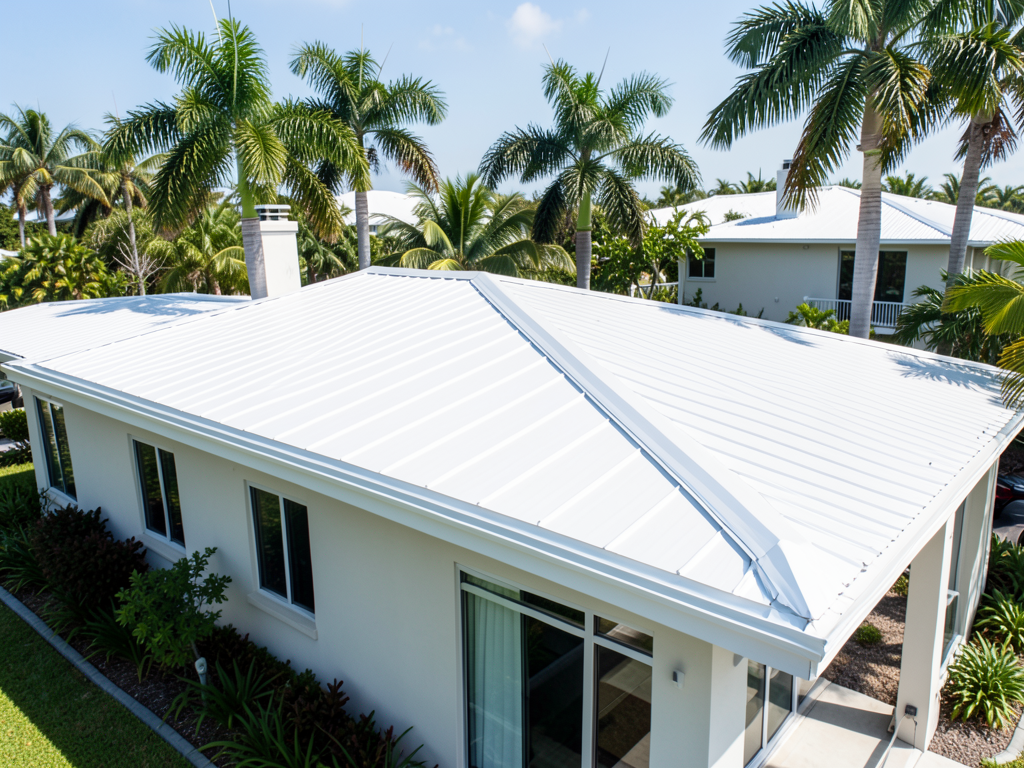
White roofing materials reflect 70-85% of solar radiation. In Cutler Bay this translates to attic temperatures that stay 20-30 degrees cooler than with dark roofs. The downside White shows dirt and algae growth more readily in our humid environment. You’ll need gentle cleaning every 18-24 months to maintain performance. Metal Roofing Systems.
Light Gray and Silver: The Practical Choice
Light gray offers 60-75% solar reflectance with better dirt hiding than pure white. This color works exceptionally well with standing seam metal roofing which naturally dissipates heat through thermal emittance. Many Cutler Bay Mediterranean-style homes use light gray to maintain traditional aesthetics while cutting cooling costs by 15-20%.
Beige and Light Tan: Mediterranean Efficiency
Beige and light tan colors reflect 55-65% of solar energy. These tones complement Cutler Bay’s many stucco homes and resist showing minor staining from our coastal air. The thermal performance sits right in the sweet spot for South Florida where you want significant heat reflection without the maintenance demands of ultra-white surfaces. Florida Solar Energy Center.
Modern Cool Pigments: Dark but Reflective
New cool roof technology uses special pigments that reflect infrared radiation even in darker colors. A deep blue or forest green cool roof might look traditional but reflect 40-50% of heat. This technology costs 15-20% more but works well for homeowners who want darker aesthetics without maximum heat gain.
How Different Materials Perform with Color
The material matters as much as the color. Here’s how common roofing materials in Cutler Bay perform.
Metal Roofing: Best Overall Performer
Galvalume and aluminum metal roofs naturally dissipate heat through their high thermal emittance. Even medium-toned metal roofs perform better than dark asphalt. A light-colored standing seam metal roof can reduce cooling costs by 25-30% compared to standard dark shingles. The material also handles our hurricane winds exceptionally well meeting Miami-Dade NOA requirements without additional reinforcement. Protecting Your Home with Hurricane Rated Roofing Systems in Miami.
Concrete and Clay Tile: Traditional with Benefits
Barrel tiles create natural air gaps that provide insulation. Light-colored concrete tiles reflect 50-65% of solar energy while providing the Mediterranean look common in Coral Gables and Pinecrest. The curved shape creates airflow channels that help dissipate heat even with medium tones.
Asphalt Shingles: Limited Options
Standard asphalt shingles absorb the most heat. Even white asphalt only reflects 25-35% of solar energy compared to 70%+ for white metal or tile. The granules break down faster in Cutler Bay’s UV exposure meaning dark shingles fade to lighter but less reflective tones within 5-7 years.
Synthetic Roofing: Emerging Technology
New synthetic materials mimic traditional looks while incorporating cool roof pigments. These products often achieve 40-50% solar reflectance in colors that would normally absorb 90% of heat. They’re particularly useful for HOA communities with strict color requirements.
Miami-Dade County Cool Roof Requirements
Miami-Dade County enforces strict building codes through the Notice of Acceptance (NOA) process. For new construction and major replacements all roofing materials must meet specific SRI ratings based on roof slope.
Low-slope roofs (2:12 or less) need minimum SRI of 78 for low-traffic areas and 29 for steep-slope roofs. These requirements come from Florida Building Code Chapter 15 which adopts International Energy Conservation Code standards modified for South Florida’s climate.
Commercial properties in Cutler Bay face even stricter requirements. The Urban Heat Island Ordinance requires cool roofs on new commercial construction and major renovations. This means white or high-reflectance roofs aren’t optional for many businesses they’re mandatory.
Homeowners associations in areas like Lakes by the Bay or Cutler Bay’s older neighborhoods often have color restrictions that conflict with cool roof requirements. Working with a contractor familiar with both NOA compliance and HOA regulations prevents costly mistakes.
Energy Savings and ROI in Cutler Bay
The Florida Solar Energy Center studied cool roofs in Miami and found average cooling energy savings of 10-20% for homes switching from dark to light roofs. In Cutler Bay’s climate with FPL’s tiered pricing structure the savings can be even higher.
A typical Cutler Bay home with a dark roof might use 1800-2400 kWh per month for cooling during summer. Switching to a high-reflectance roof can reduce this by 200-400 kWh monthly. At FPL’s current rates that’s $30-60 in monthly savings or $360-720 annually.
The payback period depends on your choice. Basic white asphalt costs $80-100 per square installed while premium cool roof metal runs $300-500 per square. The metal option saves more energy but takes 8-12 years to recoup costs through utility savings. However metal roofs last 40-50 years versus 15-20 for asphalt making them more economical long-term.
FPL offers rebates for cool roof installations through their Home Energy Efficiency Program. These rebates typically cover $200-500 of material costs for qualifying high-SRI roofs. The utility also provides free energy audits that can identify if your specific home would benefit most from cool roofing.
Maintenance Considerations for Coastal Climates
Cutler Bay’s proximity to Biscayne Bay creates unique maintenance challenges. Salt air deposits minerals that can reduce a roof’s reflectivity by 15-25% within three years. Algae and mold growth accelerate on any surface that retains moisture especially in shaded areas.
White roofs show these issues most visibly but also respond best to cleaning. A gentle low-pressure wash with specialized roof cleaning solutions can restore 85-95% of lost reflectivity. This maintenance needs to happen every 18-24 months in our climate versus every 5-7 years in inland areas.
Metal roofs require different maintenance. While they resist biological growth salt deposits can create micro-corrosion points that trap heat. Annual rinsing with fresh water prevents this buildup. The standing seams in metal roofing also allow you to inspect the underlayment easily something impossible with tile or shingle roofs.
Many Cutler Bay homeowners install zinc or copper strips near roof peaks. These metals release ions that inhibit algae growth providing passive protection that maintains reflectivity without frequent cleaning.
Choosing the Right Color for Your Home’s Style
Your home’s architectural style should influence color choice even when prioritizing energy efficiency. A Spanish Colonial home in the Franjo Road area might look out of place with stark white metal even if it’s the most efficient option.
For traditional homes consider these compromises. Light terra cotta tiles offer 50-60% solar reflectance while maintaining Mediterranean authenticity. Weathered wood-look cool shingles provide 35-45% reflectance with cedar shake appearance. These options sacrifice some efficiency but maintain curb appeal and property values.
Modern homes in Cutler Bay’s newer developments can often use bolder cool roof choices. Flat roof sections over carports or garages are perfect candidates for ultra-white cool roof membranes since they’re less visible from street level but still provide significant energy benefits.
The key is balancing visible roof areas with total roof square footage. You might use high-efficiency white on rear slopes and more traditional colors on front slopes visible from the street. This strategy maintains aesthetics while maximizing overall energy performance.
Professional Installation Matters More Than Color
Even the best cool roof color fails if installed incorrectly. Miami-Dade’s HVHZ requirements mandate specific underlayment types enhanced fastening patterns and secondary water barriers. A poorly installed white roof might leak while a properly installed medium-tone roof keeps your home dry and efficient.
Proper installation includes ensuring adequate attic ventilation. A cool roof reflects heat but your attic still needs airflow to prevent moisture buildup and maintain energy efficiency. Ridge vents soffit vents and proper insulation work together with your roof color to maximize performance.
Quality contractors test for proper deck preparation before installation. Moisture trapped under new roofing causes premature failure regardless of color. They also verify that chosen materials carry current Miami-Dade NOA approvals since product formulations change and older approvals expire.
Call (645) 231-4888 today to schedule your inspection. Our team understands both the energy efficiency science and Miami-Dade’s strict building requirements ensuring your cool roof investment performs exactly as promised.
Frequently Asked Questions
Will a cool roof actually lower my FPL bill?
Yes. FSEC studies show 10-20% cooling energy savings in Miami’s climate. For a typical Cutler Bay home this means $30-60 monthly savings during peak cooling season.
Are white roofs more expensive to maintain?
White roofs show dirt more but cleaning restores 85-95% of reflectivity. Maintenance every 18-24 months costs $300-500 versus $200-300 for darker colors cleaned every 5-7 years.
Do cool roofs qualify for FPL rebates?
Many high-SRI roofs qualify for FPL’s Home Energy Efficiency rebates. Qualifying products must meet specific reflectivity thresholds and be installed by certified contractors.
Will my HOA allow a white roof?
Many Cutler Bay HOAs restrict roof colors. However cool roof technology now offers reflective options in traditional colors. Always check HOA guidelines before selecting materials.
How long do cool roofs last in coastal areas?
Quality cool roofs last 20-50 years depending on material. Metal and tile outlast asphalt significantly. Coastal salt air may reduce lifespan by 2-5 years but doesn’t affect energy performance.
Is a cool roof worth it for a home I might sell soon?
Cool roofs can increase resale value by $3000-8000 in South Florida due to lower utility costs and hurricane resistance. They also appeal to energy-conscious buyers.
Do I need special permits for a cool roof in Cutler Bay?
All roofing replacements need permits. Cool roofs must meet Miami-Dade NOA requirements which your contractor should handle as part of the permitting process.
Can I install a cool roof over my existing shingles?
Building code typically requires complete tear-off for structural reasons. Installing over existing shingles can void warranties and create moisture traps that reduce energy efficiency.
What’s the best cool roof option for flat sections?
White TPO or PVC membranes work best for flat areas. They provide 80-90% solar reflectance and handle ponding water better than other materials.
How do I know if my current roof is costing me money?
Signs include high cooling bills hot second floors and dark shingles. An energy audit can quantify potential savings from upgrading to cool roofing materials.
{
“@context”: “https://schema.org”,
“@type”: “BlogPosting”,
“headline”: “Choosing the Best Roof Color to Keep Your Cutler Bay House Cool”,
“description”: “Discover which roof colors reflect heat best in Cutler Bay’s climate. Learn about cool roofing options that can lower your FPL bills by 10-20%.”,
“wordCount”: 2061,
“datePublished”: “2026-03-10T10:38:00.000Z”,
“dateModified”: “2026-03-10T10:38:00.000Z”,
“inLanguage”: “en-US”,
“mainEntityOfPage”: {
“@type”: “WebPage”,
“@id”: “https://ironwoodroofingmiami.com”
},
“publisher”: {
“@type”: “LocalBusiness”,
“name”: “Ironwood Roofing Miami”,
“url”: “https://ironwoodroofingmiami.com”
},
“author”: {
“@type”: “Organization”,
“name”: “Ironwood Roofing Miami”,
“url”: “https://ironwoodroofingmiami.com”
},
“image”: {
“@type”: “ImageObject”,
“url”: “https://ironwoodroofingmiami.com/wp-content/uploads/2026/03/choosing-the-best-roof-color-to-keep-your-cutler-b-1.png”
}
}
{
“@context”: “https://schema.org”,
“@type”: “RoofingContractor”,
“name”: “Ironwood Roofing Miami”,
“url”: “https://ironwoodroofingmiami.com”,
“address”: {
“@type”: “PostalAddress”,
“addressLocality”: “Miami”
},
“areaServed”: {
“@type”: “City”,
“name”: “Miami”
}
}
{
“@context”: “https://schema.org”,
“@type”: “FAQPage”,
“mainEntity”: [
{
“@type”: “Question”,
“name”: “Will a cool roof actually lower my FPL bill?”,
“acceptedAnswer”: {
“@type”: “Answer”,
“text”: “Yes. FSEC studies show 10-20% cooling energy savings in Miami’s climate. For a typical Cutler Bay home this means $30-60 monthly savings during peak cooling season.”
}
},
{
“@type”: “Question”,
“name”: “Are white roofs more expensive to maintain?”,
“acceptedAnswer”: {
“@type”: “Answer”,
“text”: “White roofs show dirt more but cleaning restores 85-95% of reflectivity. Maintenance every 18-24 months costs $300-500 versus $200-300 for darker colors cleaned every 5-7 years.”
}
},
{
“@type”: “Question”,
“name”: “Do cool roofs qualify for FPL rebates?”,
“acceptedAnswer”: {
“@type”: “Answer”,
“text”: “Many high-SRI roofs qualify for FPL’s Home Energy Efficiency rebates. Qualifying products must meet specific reflectivity thresholds and be installed by certified contractors.”
}
},
{
“@type”: “Question”,
“name”: “Will my HOA allow a white roof?”,
“acceptedAnswer”: {
“@type”: “Answer”,
“text”: “Many Cutler Bay HOAs restrict roof colors. However cool roof technology now offers reflective options in traditional colors. Always check HOA guidelines before selecting materials.”
}
},
{
“@type”: “Question”,
“name”: “How long do cool roofs last in coastal areas?”,
“acceptedAnswer”: {
“@type”: “Answer”,
“text”: “Quality cool roofs last 20-50 years depending on material. Metal and tile outlast asphalt significantly. Coastal salt air may reduce lifespan by 2-5 years but doesn’t affect energy performance.”
}
},
{
“@type”: “Question”,
“name”: “Is a cool roof worth it for a home I might sell soon?”,
“acceptedAnswer”: {
“@type”: “Answer”,
“text”: “Cool roofs can increase resale value by $3000-8000 in South Florida due to lower utility costs and hurricane resistance. They also appeal to energy-conscious buyers.”
}
},
{
“@type”: “Question”,
“name”: “Do I need special permits for a cool roof in Cutler Bay?”,
“acceptedAnswer”: {
“@type”: “Answer”,
“text”: “All roofing replacements need permits. Cool roofs must meet Miami-Dade NOA requirements which your contractor should handle as part of the permitting process.”
}
},
{
“@type”: “Question”,
“name”: “Can I install a cool roof over my existing shingles?”,
“acceptedAnswer”: {
“@type”: “Answer”,
“text”: “Building code typically requires complete tear-off for structural reasons. Installing over existing shingles can void warranties and create moisture traps that reduce energy efficiency.”
}
},
{
“@type”: “Question”,
“name”: “What’s the best cool roof option for flat sections?”,
“acceptedAnswer”: {
“@type”: “Answer”,
“text”: “White TPO or PVC membranes work best for flat areas. They provide 80-90% solar reflectance and handle ponding water better than other materials.”
}
},
{
“@type”: “Question”,
“name”: “How do I know if my current roof is costing me money?”,
“acceptedAnswer”: {
“@type”: “Answer”,
“text”: “Signs include high cooling bills hot second floors and dark shingles. An energy audit can quantify potential savings from upgrading to cool roofing materials.”
}
}
]
}
{
“@context”: “https://schema.org”,
“@type”: “BreadcrumbList”,
“itemListElement”: [
{
“@type”: “ListItem”,
“position”: 1,
“name”: “Home”,
“item”: “https://ironwoodroofingmiami.com”
},
{
“@type”: “ListItem”,
“position”: 2,
“name”: “Blog”,
“item”: “https://ironwoodroofingmiami.com/blog”
},
{
“@type”: “ListItem”,
“position”: 3,
“name”: “Choosing the Best Roof Color to Keep Your Cutler Bay House Cool”
}
]
}
{
“@context”: “https://schema.org”,
“@type”: “Service”,
“serviceType”: “Roofing”,
“provider”: {
“@type”: “LocalBusiness”,
“name”: “Ironwood Roofing Miami”,
“url”: “https://ironwoodroofingmiami.com”
},
“areaServed”: {
“@type”: “City”,
“name”: “Miami”
},
“description”: “Discover which roof colors reflect heat best in Cutler Bay’s climate. Learn about cool roofing options that can lower your FPL bills by 10-20%.”
}