Why Moss and Ferns Growing on Your Roof in The Redland Are a Sign of Structural Trouble
The sight of green moss and ferns sprouting from your roof tiles in The Redland isn’t just an aesthetic issue. It’s a flashing warning light that your roof structure is holding moisture it shouldn’t be. In Miami-Dade’s humid subtropical climate, where annual rainfall exceeds 60 inches and humidity stays above 70% for much of the year, organic growth on roofs indicates trapped moisture, compromised underlayment, and potential structural deterioration that can cost thousands in repairs if ignored. Miami-Dade Notice of Acceptance.
Redland’s unique agricultural setting creates perfect conditions for roof plant growth. The area’s former Everglades marshlands left behind organic-rich soil that retains moisture, and many homes sit near mango groves and nurseries where irrigation systems constantly raise local humidity levels. When you see ferns and moss colonizing your roof, they’re actually thriving because your roofing materials are staying damp for extended periods. This persistent moisture creates the perfect environment for roots to penetrate tile edges, underlayment to delaminate, and wood decking to rot from the inside out. The Best Metal Roofing Options for Homes in Key Biscayne.
The Redland’s specific geography makes roof plant growth particularly dangerous. Located in unincorporated Miami-Dade County just west of Homestead, the area sits at a slightly higher elevation than coastal neighborhoods but still experiences the same intense tropical rainfall patterns. Homes here often feature barrel tile roofing, which is beautiful but vulnerable when moisture gets trapped in the underlayment. The combination of afternoon thunderstorms rolling off the Everglades, agricultural humidity from nearby farms, and the area’s clay-rich soil creates a moisture trap that accelerates roof deterioration. What starts as a few green patches can quickly become a structural emergency when roots begin separating tiles and water finds pathways into your attic space. Roofing Cutler Bay.
Plant growth on Redland roofs typically indicates one of three serious problems: inadequate roof pitch allowing water pooling, damaged or missing tiles creating moisture traps, or insufficient ventilation causing condensation buildup under the tiles. Each of these issues requires immediate professional assessment. The organic material itself isn’t just sitting harmlessly on your roof surface. Moss and ferns create a sponge-like layer that holds water against your roofing materials for days after rain stops. This constant moisture exposure breaks down the protective granules on asphalt tiles, causes clay tiles to crack from freeze-thaw expansion cycles, and promotes mold growth that can spread to your home’s interior walls and ceilings. Professional Flat Roof Repair Services for Brickell Business Owners.
According to the Florida Building Code Section 1507.2.6.2, all roofing systems must maintain proper drainage to prevent water accumulation that could lead to structural damage. When plants grow on your roof, they’re creating exactly the kind of moisture retention that building codes are designed to prevent. The Miami-Dade Notice of Acceptance (NOA) requirements for roofing materials specifically address the need for proper ventilation and drainage systems that prevent the conditions allowing plant growth. If your roof has reached the point where moss and ferns can establish themselves, it’s already failing to meet these basic structural requirements. Florida Building Code.
The agricultural heritage of The Redland adds another layer of complexity to roof plant growth. Many properties sit on land that was actively farmed as recently as the 1980s, leaving behind nutrient-rich soil that blows onto roofs and feeds plant growth. The area’s proximity to the Homestead-Miami Speedway and agricultural areas means your roof is constantly exposed to organic debris from nearby fields. This combination of agricultural dust, high humidity, and frequent rainfall creates a perfect storm for roof colonization. What might be a minor issue in a suburban neighborhood becomes a serious structural concern in The Redland’s unique ecosystem.
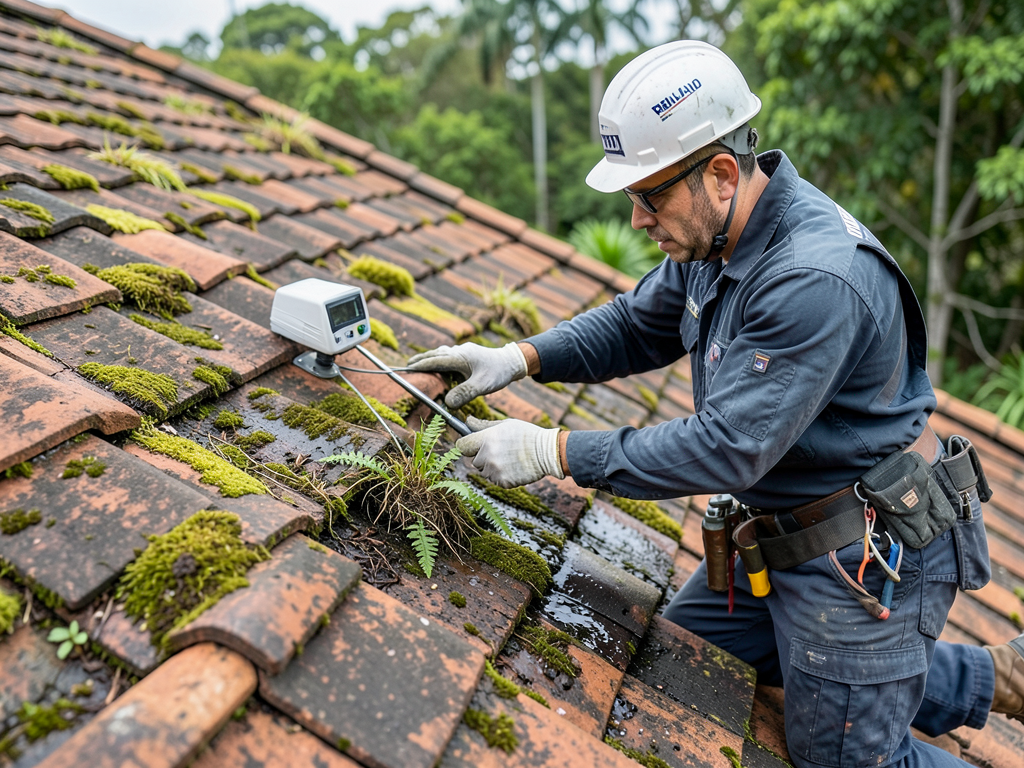
Professional assessment of roof plant growth involves more than just removing the visible vegetation. A qualified roofing contractor will examine your entire roofing system, checking for signs of moisture damage that aren’t visible from the ground. This includes inspecting the underlayment for delamination, checking wood decking for rot using moisture meters, and examining ventilation systems to ensure they’re functioning properly. The process typically reveals multiple points of failure that allowed the plant growth to begin in the first place. Simply removing the moss and ferns without addressing these underlying issues guarantees the problem will return within months.
The cost of addressing roof plant growth in The Redland varies significantly based on the extent of the damage and the roofing material involved. For a typical 2,000-square-foot barrel tile roof, professional plant removal and damage assessment might cost between $800 and $1,500. However, if the inspection reveals rotted decking or damaged underlayment, replacement costs can quickly escalate to $5,000 or more. The key is addressing the issue early before plant roots penetrate deep enough to cause structural separation of roofing materials. Once roots establish themselves between tiles and the roof deck, the damage becomes exponentially more expensive to repair.
Insurance companies in Florida have become increasingly strict about roof maintenance requirements, particularly in areas like The Redland where moisture-related damage is common. Many policies now require proof of regular roof inspections and maintenance, and visible plant growth can be grounds for denying claims related to water damage. The Florida Office of Insurance Regulation reports that roof-related claims have increased by 15% over the past five years, largely due to moisture intrusion from poorly maintained roofing systems. Having moss and ferns growing on your roof not only indicates current problems but can also jeopardize your ability to file future claims for water damage.
Prevention strategies for roof plant growth in The Redland focus on controlling the moisture that allows plants to establish themselves. This includes ensuring proper roof pitch for drainage, maintaining clean gutters to prevent water backup, and installing zinc or copper strips that release ions toxic to plant growth when it rains. Professional roof cleaning services use specialized biocides that kill existing plant growth without damaging roofing materials. These treatments typically need to be reapplied every 18 to 24 months in The Redland’s climate to maintain effectiveness. More importantly, addressing any underlying ventilation or drainage issues prevents the moisture buildup that allows plants to return.
The Redland’s specific climate patterns create seasonal variations in roof plant growth that homeowners should understand. During the summer rainy season from May through October, plant growth accelerates rapidly due to frequent rainfall and high humidity. Winter months, while drier, still maintain enough moisture for plants to survive and spread. This year-round growing season means that roof maintenance can’t be a once-yearly task. Properties near agricultural areas may experience accelerated growth during growing seasons for nearby crops when irrigation systems increase local humidity levels. Understanding these patterns helps homeowners time maintenance efforts for maximum effectiveness. Why Homeowners in Coral Gables Choose Professional Tile Roof Installation.
Professional roof cleaning in The Redland requires specific techniques different from standard pressure washing. The area’s older homes often feature historic clay tiles that can be damaged by high-pressure water. Instead, soft washing techniques using low-pressure application of specialized cleaning solutions are the industry standard. These solutions typically contain sodium hypochlorite at concentrations safe for roofing materials but effective against moss, algae, and other organic growth. The process usually takes two to three hours for an average home and should be followed by a thorough inspection to identify any damage the plant growth may have caused.
Long-term solutions for preventing roof plant growth in The Redland often involve upgrading ventilation systems or improving roof design. Many older homes in the area were built before modern building codes required adequate roof ventilation, leading to moisture buildup that promotes plant growth. Installing additional ridge vents, improving soffit ventilation, or adding solar-powered attic fans can significantly reduce the moisture levels that allow plants to thrive. These upgrades not only prevent plant growth but also improve energy efficiency by reducing heat buildup in attic spaces during South Florida’s intense summer months.
The presence of ferns specifically indicates a more advanced stage of moisture problems than moss alone. Ferns require consistently damp soil to establish themselves, meaning your roof is holding water long after rain stops. This level of moisture retention often indicates problems with the roof’s slope or drainage system that go beyond simple plant growth. While moss can establish itself in areas with occasional moisture, ferns signal chronic moisture problems that likely extend to the roof deck and potentially into your home’s interior structure. This distinction is important because fern growth typically requires more extensive repairs than moss alone.
Homeowners in The Redland should schedule roof inspections at least annually, with additional checks following major storm events. The area’s proximity to the Everglades means it experiences intense localized thunderstorms that can deposit large amounts of water in short periods. These events can overwhelm drainage systems and create the perfect conditions for plant growth to establish itself. Professional inspections can identify early signs of moisture problems before they become visible as plant growth, potentially saving thousands in repair costs. The cost of annual inspections, typically $150 to $300, is minimal compared to the expense of addressing advanced moisture damage.
The relationship between roof plant growth and home insurance in Florida has become increasingly important for homeowners to understand. Many insurance companies now require four-point inspections that specifically examine the condition of roofing systems. Visible plant growth can be grounds for non-renewal of policies or increased premiums. The Florida Department of Financial Services reports that roof condition is one of the top three factors insurance companies consider when assessing property risk in South Florida. Addressing plant growth promptly not only protects your home’s structure but also maintains your insurance eligibility and potentially lowers your premiums.
Environmental factors unique to The Redland create challenges for roof maintenance that don’t exist in other parts of Miami-Dade County. The area’s agricultural heritage means properties are often exposed to higher levels of organic debris than suburban neighborhoods. Additionally, the region’s slightly higher elevation compared to coastal areas creates different wind patterns that can deposit debris in specific areas of roofs. Understanding these local factors helps homeowners and contractors develop maintenance strategies that address the specific challenges of The Redland rather than applying one-size-fits-all approaches that may not be effective in this unique environment.
Call (645) 231-4888 today to schedule your professional roof inspection before plant growth causes structural damage. Our experienced team understands The Redland’s unique climate challenges and can identify moisture problems before they become expensive repairs. Don’t wait until you can see ferns growing from your roof tiles. Early intervention saves money and protects your home’s structural integrity.
Understanding the Different Types of Roof Plant Growth
Different types of plant growth on your roof indicate different levels of moisture problems and require different treatment approaches. Moss typically appears as green fuzzy patches and indicates areas where moisture collects regularly. Algae, which shows up as black streaks, thrives in humid conditions but doesn’t penetrate roofing materials as deeply as moss or ferns. Lichen, a combination of algae and fungus, creates a harder crust that can be more difficult to remove. Ferns represent the most advanced stage of roof plant colonization, requiring consistent moisture and often indicating serious structural issues.
The specific type of plant growth on your Redland roof can tell you a lot about the underlying moisture problems. Moss growing on the north side of your roof indicates inadequate sunlight exposure combined with moisture retention. Black algae streaks running down roof slopes suggest water channeling that stays wet long enough for algae to establish. Thick patches of moss in roof valleys point to drainage problems where water pools rather than flowing off the roof. Each of these patterns requires a different diagnostic approach and treatment strategy.
Professional treatment of roof plant growth involves more than just killing the visible plants. The process typically includes applying specialized biocides that penetrate roofing materials to kill plant roots and spores, preventing regrowth for an extended period. These treatments must be carefully selected based on your roofing material to avoid damage. Clay tiles require different treatment than asphalt shingles, and the age of your roof also affects which products are safe to use. Professional contractors understand these nuances and can select the most effective treatment while protecting your roofing investment. Protecting Your Home with Hurricane Rated Roofing Systems in Miami.
The timing of plant growth treatment affects its effectiveness significantly. In The Redland’s climate, treating plant growth during the dry season allows the biocides to penetrate more effectively and establish longer-lasting protection. However, waiting until plants are actively growing ensures the treatment kills the maximum amount of vegetation. Professional contractors typically recommend treatment during early spring or late fall when temperatures are moderate but before the heavy summer rains begin. This timing maximizes the treatment’s effectiveness while minimizing the risk of wash-off before the product can work.
DIY approaches to roof plant removal often cause more damage than the plant growth itself. Pressure washing, while effective at removing visible plants, can strip protective granules from asphalt shingles, crack clay tiles, and force water under roofing materials where it can cause hidden damage. Chemical treatments purchased from home improvement stores may not be appropriate for your specific roofing material or may be applied at concentrations that damage your roof. Professional treatment ensures the right products are used at the correct concentrations for your specific roofing system.
The economic impact of ignoring roof plant growth extends beyond repair costs. Homes with visible plant growth typically appraise for 3-5% less than comparable properties with well-maintained roofs. This depreciation can amount to tens of thousands of dollars in lost home value. Additionally, the energy efficiency of your home decreases when plant growth traps moisture and heat against your roof surface. This forces your air conditioning system to work harder, increasing utility costs by 10-15% during peak cooling season. The combined financial impact of reduced property value and increased energy costs often exceeds the cost of professional plant removal and treatment.
Call (645) 231-4888 now to protect your Redland home from the structural damage caused by roof plant growth. Our expert team provides comprehensive inspections and treatments specifically designed for The Redland’s unique climate conditions. Don’t let moss and ferns compromise your home’s integrity and value.
Frequently Asked Questions
How quickly does moss and fern growth spread on Redland roofs?
Plant growth on Redland roofs can spread rapidly during the rainy season, often doubling in coverage within 3-4 months. The area’s high humidity and frequent rainfall create ideal growing conditions. Once established, moss and ferns can penetrate roofing materials within 6-12 months, making early intervention critical.
Can I remove roof plant growth myself without damaging my roof?
DIY removal is risky and often causes more damage than the plants themselves. Pressure washing can crack tiles and strip protective coatings, while improper chemical use can discolor or deteriorate roofing materials. Professional soft washing uses specialized techniques and products that kill plants without damaging your roof structure.
Will my homeowner’s insurance cover damage from roof plant growth?
Most Florida insurance policies require homeowners to maintain their roofs properly. Visible plant growth often indicates neglect, which can void coverage for related water damage. Some insurers may require plant removal before renewing policies. Regular professional maintenance helps maintain insurance eligibility and can prevent coverage issues.
How often should I have my Redland roof inspected for plant growth?
Annual inspections are recommended for all Redland properties, with additional checks following major storm events. Homes near agricultural areas or in particularly humid locations may need inspections every six months. Early detection through regular inspections prevents minor plant growth from becoming major structural problems.
You may also find this helpful. Setting Up a Rainwater Collection System from Your Roof in The Redland.
{
“@context”: “https://schema.org”,
“@type”: “BlogPosting”,
“headline”: “Why Moss and Ferns Growing on Your Roof in The Redland Are a Sign of Structural Trouble”,
“description”: “Moss and ferns on Redland roofs signal moisture problems. Learn how South Florida humidity affects roof integrity and what immediate steps to take before structural damage worsens.”,
“wordCount”: 2612,
“datePublished”: “2026-05-11T06:26:00.000Z”,
“dateModified”: “2026-05-11T06:26:00.000Z”,
“inLanguage”: “en-US”,
“mainEntityOfPage”: {
“@type”: “WebPage”,
“@id”: “https://ironwoodroofingmiami.com”
},
“publisher”: {
“@type”: “LocalBusiness”,
“name”: “Ironwood Roofing Miami”,
“url”: “https://ironwoodroofingmiami.com”
},
“author”: {
“@type”: “Organization”,
“name”: “Ironwood Roofing Miami”,
“url”: “https://ironwoodroofingmiami.com”
},
“image”: {
“@type”: “ImageObject”,
“url”: “https://ironwoodroofingmiami.com/wp-content/uploads/2026/03/why-moss-and-ferns-growing-on-your-roof-in-the-red-1.png”
}
}
{
“@context”: “https://schema.org”,
“@type”: “RoofingContractor”,
“name”: “Ironwood Roofing Miami”,
“url”: “https://ironwoodroofingmiami.com”,
“address”: {
“@type”: “PostalAddress”,
“addressLocality”: “Miami”
},
“areaServed”: {
“@type”: “City”,
“name”: “Miami”
}
}
{
“@context”: “https://schema.org”,
“@type”: “FAQPage”,
“mainEntity”: [
{
“@type”: “Question”,
“name”: “How quickly does moss and fern growth spread on Redland roofs?”,
“acceptedAnswer”: {
“@type”: “Answer”,
“text”: “Plant growth on Redland roofs can spread rapidly during the rainy season, often doubling in coverage within 3-4 months. The area’s high humidity and frequent rainfall create ideal growing conditions. Once established, moss and ferns can penetrate roofing materials within 6-12 months, making early intervention critical.”
}
},
{
“@type”: “Question”,
“name”: “Can I remove roof plant growth myself without damaging my roof?”,
“acceptedAnswer”: {
“@type”: “Answer”,
“text”: “DIY removal is risky and often causes more damage than the plants themselves. Pressure washing can crack tiles and strip protective coatings, while improper chemical use can discolor or deteriorate roofing materials. Professional soft washing uses specialized techniques and products that kill plants without damaging your roof structure.”
}
},
{
“@type”: “Question”,
“name”: “Will my homeowner’s insurance cover damage from roof plant growth?”,
“acceptedAnswer”: {
“@type”: “Answer”,
“text”: “Most Florida insurance policies require homeowners to maintain their roofs properly. Visible plant growth often indicates neglect, which can void coverage for related water damage. Some insurers may require plant removal before renewing policies. Regular professional maintenance helps maintain insurance eligibility and can prevent coverage issues.”
}
},
{
“@type”: “Question”,
“name”: “How often should I have my Redland roof inspected for plant growth?”,
“acceptedAnswer”: {
“@type”: “Answer”,
“text”: “Annual inspections are recommended for all Redland properties, with additional checks following major storm events. Homes near agricultural areas or in particularly humid locations may need inspections every six months. Early detection through regular inspections prevents minor plant growth from becoming major structural problems.”
}
}
]
}
{
“@context”: “https://schema.org”,
“@type”: “BreadcrumbList”,
“itemListElement”: [
{
“@type”: “ListItem”,
“position”: 1,
“name”: “Home”,
“item”: “https://ironwoodroofingmiami.com”
},
{
“@type”: “ListItem”,
“position”: 2,
“name”: “Blog”,
“item”: “https://ironwoodroofingmiami.com/blog”
},
{
“@type”: “ListItem”,
“position”: 3,
“name”: “Why Moss and Ferns Growing on Your Roof in The Redland Are a Sign of Structural Trouble”
}
]
}
{
“@context”: “https://schema.org”,
“@type”: “Service”,
“serviceType”: “Roofing”,
“provider”: {
“@type”: “LocalBusiness”,
“name”: “Ironwood Roofing Miami”,
“url”: “https://ironwoodroofingmiami.com”
},
“areaServed”: {
“@type”: “City”,
“name”: “Miami”
},
“description”: “Moss and ferns on Redland roofs signal moisture problems. Learn how South Florida humidity affects roof integrity and what immediate steps to take before structural damage worsens.”
}