How to Turn Your Flat Miami Roof Into a Durable Rooftop Garden
Transforming a flat Miami roof into a rooftop garden requires specialized engineering and waterproofing to handle South Florida’s extreme weather. The combination of hurricane-force winds, intense UV exposure, and heavy rainfall creates unique challenges that standard garden installations cannot withstand. A properly designed rooftop garden in Miami must meet Miami-Dade County’s High-Velocity Hurricane Zone (HVHZ) requirements while supporting the weight of soil, plants, and water retention systems. Miami-Dade County Building Permits.
Before installing a single plant, structural engineers must calculate the additional load your roof can support. Miami-Dade County requires specific load-bearing calculations for any rooftop modification. The soil medium alone can weigh 20-30 pounds per square foot when saturated, and Miami’s afternoon thunderstorms can add significant water weight within minutes. Without proper structural reinforcement, your dream garden could compromise your roof’s integrity.
Waterproofing represents the most critical component of Miami rooftop garden installation. The membrane must withstand not only water intrusion but also root penetration, UV degradation, and the constant thermal expansion and contraction from Miami’s temperature swings. Professional installation includes multiple redundant layers, including a root barrier, drainage mat, and protection board. This system prevents the catastrophic leaks that plague amateur installations during hurricane season. Professional Flat Roof Repair Services for Brickell Business Owners.
Plant selection for Miami rooftop gardens requires understanding both the climate and structural limitations. Native Florida species like coontie, muhly grass, and beach sunflower thrive in Miami’s heat while requiring minimal soil depth. Salt-tolerant plants become essential for properties near Biscayne Bay or the Atlantic coast. The right plant palette reduces maintenance needs and ensures your garden survives Miami’s harsh conditions. Florida Building Code Information.
Permitting and compliance with Miami-Dade building codes adds another layer of complexity. The Florida Building Code Chapter 15 and Miami-Dade Notice of Acceptance (NOA) requirements mandate specific materials and installation methods. Working with contractors familiar with local regulations prevents costly mistakes and ensures your garden meets all safety standards.. Read more about Why Your Commercial Building in Doral Needs Oversized Scuppers to Prevent Interior Leaks.
Maintenance considerations for Miami rooftop gardens extend beyond typical landscaping. Hurricane preparedness requires securing or removing containers, installing windbreaks, and ensuring drainage systems can handle extreme rainfall. Regular inspections of the waterproofing membrane prevent small issues from becoming major leaks. The investment in professional installation pays dividends through reduced maintenance costs and increased property value. The Best Metal Roofing Options for Homes in Key Biscayne.
Call (645) 231-4888 today to schedule your structural roof audit. Our team specializes in Miami rooftop garden installations that withstand hurricane season while creating beautiful outdoor living spaces. Protecting Your Home with Hurricane Rated Roofing Systems in Miami.
Understanding Miami’s Unique Rooftop Garden Challenges
Miami’s climate creates specific vulnerabilities for rooftop gardens that do not exist in other regions. The combination of high humidity, salt air, and hurricane-force winds requires engineering solutions beyond standard green roof systems. Understanding these challenges helps you make informed decisions about your rooftop transformation.
The High-Velocity Hurricane Zone (HVHZ) requirements in Miami-Dade County mandate specific wind uplift resistance for all roofing materials. Standard green roof systems designed for temperate climates cannot meet these requirements without significant modification. Your rooftop garden must withstand wind speeds exceeding 170 mph during major hurricanes. Roofing Cutler Bay.
Thermal expansion and contraction in Miami’s climate causes significant movement in roofing materials. Daily temperature swings of 20-30 degrees create stress on waterproofing membranes and structural connections. Professional installation includes expansion joints and flexible connections that accommodate this movement without compromising the garden’s integrity.
Soil composition for Miami rooftop gardens differs from ground-level installations. The growing medium must balance weight considerations with water retention and nutrient availability. Lightweight engineered soils reduce structural load while providing adequate support for plant growth. These specialized mixes cost more than traditional soil but prevent roof deck damage.
Water management becomes critical during Miami’s rainy season. A single afternoon thunderstorm can dump several inches of rain within hours. Your rooftop garden’s drainage system must handle this volume without ponding water that could exceed your roof’s load capacity. Professional designers incorporate overflow drains and graded surfaces to direct water safely.
Maintenance access requires careful planning in Miami’s climate. The intense heat makes working on rooftops dangerous during summer months. Professional installations include designated walkways, tool storage areas, and irrigation system access points that minimize the need for frequent roof access.
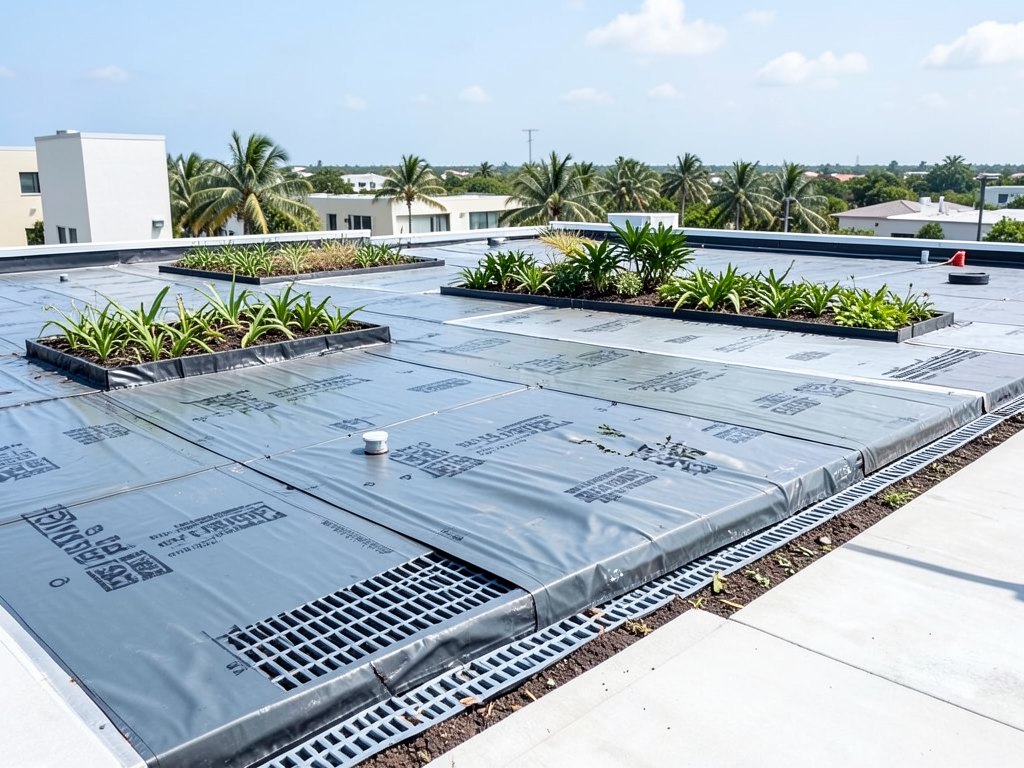
A cross-section diagram showing the multiple layers of a hurricane-rated rooftop garden system, including waterproofing membrane, root barrier, drainage mat, and engineered soil medium.
Structural Engineering Requirements for Miami Rooftop Gardens
Structural analysis forms the foundation of any successful rooftop garden installation in Miami. The additional weight of soil, plants, and water retention systems can exceed 100 pounds per square foot when fully saturated. Miami-Dade County requires licensed structural engineers to calculate load-bearing capacity before any installation begins.
Older buildings in neighborhoods like Coral Gables and Coconut Grove often require significant reinforcement before supporting a rooftop garden. These structures were built before modern load requirements existed. Steel beams, additional roof joists, or concrete reinforcement may become necessary to distribute the garden’s weight safely across the existing structure. Why Homeowners in Coral Gables Choose Professional Tile Roof Installation.
Wind uplift calculations become critical in Miami’s hurricane-prone environment. The uplift force on a rooftop garden during a Category 5 hurricane can exceed 40 pounds per square foot. Professional engineers design anchoring systems that secure soil, plants, and containers without compromising the roof’s waterproofing integrity.
Live load calculations must account for Miami’s specific conditions. The engineer considers not only the static weight of the garden but also dynamic loads from people walking on the roof, equipment maintenance, and hurricane debris impact. These calculations ensure your rooftop garden remains safe under all conditions.
Expansion joint placement requires careful consideration in Miami’s climate. The thermal movement in roofing materials can reach 1/2 inch or more across a 20-foot span. Professional designers incorporate flexible connections and movement joints that prevent cracking and water intrusion while maintaining the garden’s structural integrity.
Electrical and plumbing integration must meet Miami-Dade’s strict building codes. All penetrations through the roof require specific flashing methods and waterproofing techniques. Professional installers use industrial-grade materials that withstand Miami’s humidity and salt air exposure without degrading over time.
The moisture content of the soil medium affects structural calculations significantly. Miami’s humidity keeps soil consistently moist, increasing its weight beyond typical engineering assumptions. Professional designers specify soil mixes with optimal moisture retention that balance plant health with weight considerations.
Professional Installation Process for Miami Rooftop Gardens
The installation process for a Miami rooftop garden follows specific steps that ensure long-term durability and code compliance. Professional contractors begin with a comprehensive roof inspection to identify any existing damage or structural concerns. This assessment prevents installing a garden over compromised roofing that could fail catastrophically.
Surface preparation involves cleaning the existing roof and repairing any damaged areas. Professional installers address all cracks, blisters, or deteriorated sections before installing the garden system. This preparation prevents water intrusion through existing vulnerabilities and ensures a solid foundation for the new installation.
Waterproofing membrane selection becomes critical in Miami’s climate. The membrane must resist UV degradation, root penetration, and chemical exposure from fertilizers. Professional installers use 80-mil reinforced PVC or TPO membranes with factory-welded seams that create a monolithic waterproof barrier. These materials carry Miami-Dade NOA approvals for HVHZ applications.
Root barrier installation prevents plant roots from penetrating the waterproofing membrane. Professional installers use 30-mil HDPE root barriers with chemical inhibitors that prevent root growth through the membrane. This barrier protects your roof from the most common cause of rooftop garden leaks.
Drainage layer installation creates the foundation for proper water management. Professional installers use dimpled drainage panels that create air channels and water flow paths. These panels prevent soil compaction and ensure water drains quickly during Miami’s heavy rainfall events. The drainage layer typically adds 1-2 inches to the system’s height.
Protection board installation shields the waterproofing membrane from physical damage during installation and future maintenance. Professional installers use 1/4-inch thick extruded polystyrene boards that provide insulation while protecting the membrane from sharp tools and heavy foot traffic.
Engineered soil installation requires specialized equipment and techniques. Professional installers use conveyor systems to distribute soil evenly without damaging the underlying layers. The soil depth typically ranges from 4-12 inches depending on the plant selection and structural capacity. Professional installers compact the soil in layers to prevent settling.
Irrigation system installation must account for Miami’s water restrictions and salt content. Professional installers use drip irrigation with pressure-compensating emitters that ensure even water distribution. The system includes rain sensors and smart controllers that prevent overwatering during Miami’s rainy season.
Plant installation follows specific spacing and arrangement guidelines. Professional installers group plants with similar water and light requirements while considering mature sizes and growth patterns. They install larger specimens first, then fill in with smaller plants to create the desired aesthetic while maintaining proper air circulation.
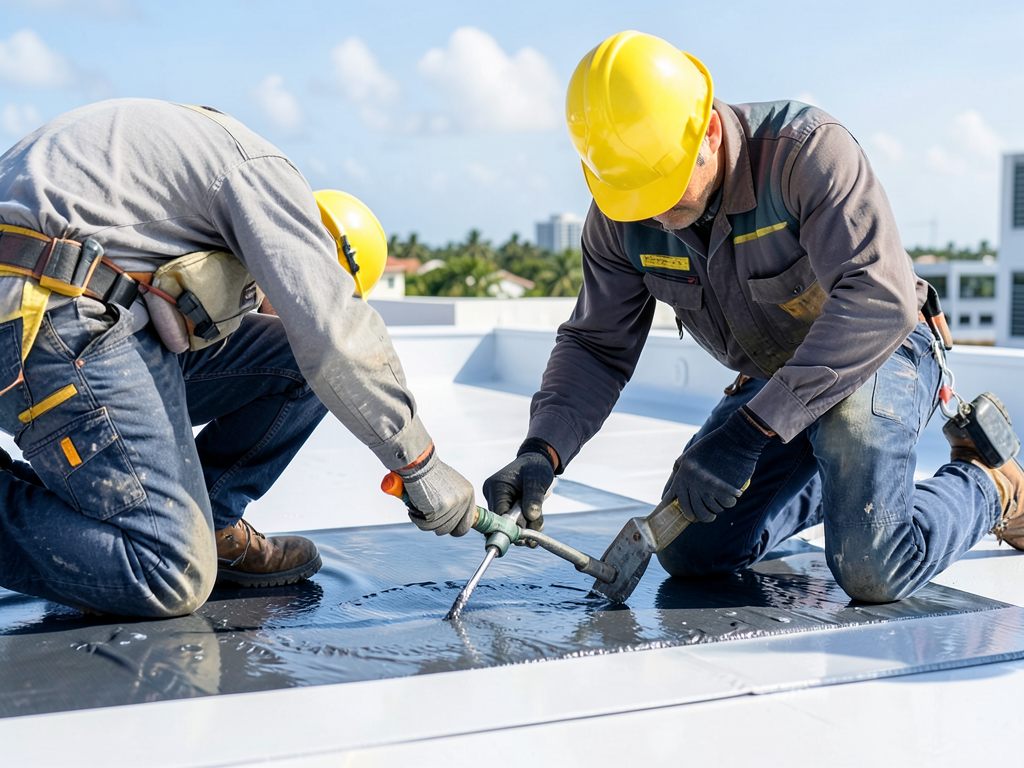
Professional installers applying a reinforced waterproofing membrane on a Miami rooftop, showing the specialized equipment and safety measures required for proper installation.
Best Plant Selection for Miami Rooftop Gardens
Plant selection for Miami rooftop gardens requires understanding both the climate challenges and structural limitations. The intense heat, salt air, and hurricane winds eliminate many common garden plants. Professional designers select species that thrive in these conditions while providing the desired aesthetic and environmental benefits.
Native Florida plants offer the best combination of durability and low maintenance for Miami rooftop gardens. Coontie (Zamia integrifolia) provides a tropical appearance while tolerating both drought and flooding. This ancient cycad requires minimal soil depth and resists salt spray, making it ideal for coastal properties.
Muhly grass (Muhlenbergia capillaris) creates dramatic pink-purple plumes in fall while requiring minimal water once established. This native grass tolerates Miami’s heat and humidity while providing movement in the breeze. Professional designers use it in mass plantings for visual impact and erosion control.
Beach sunflower (Helianthus debilis) thrives in Miami’s sandy soils and salt air. This low-growing perennial produces yellow flowers throughout the year while requiring minimal maintenance. Professional designers use it as a groundcover that prevents soil erosion during heavy rainfall.
Salt-tolerant succulents provide structure and drought resistance for Miami rooftop gardens. Agave, aloe, and various sedums store water in their leaves while tolerating both intense sun and salt spray. These plants require minimal soil depth and provide year-round interest with their architectural forms.
Native wildflowers attract pollinators while adding seasonal color to Miami rooftop gardens. Coreopsis, gaillardia, and tropical sage provide nectar for butterflies and hummingbirds while tolerating Miami’s heat and humidity. Professional designers incorporate these plants in clusters to create visual impact and support local ecosystems.
Structural plants provide height and visual interest while withstanding Miami’s hurricane winds. Dwarf palmetto (Sabal minor) and saw palmetto (Serenoa repens) offer tropical appearance while resisting wind damage. Professional designers use these plants as anchor specimens that create focal points in the garden design.
Groundcovers prevent soil erosion while reducing maintenance needs. Perennial peanut (Arachis pintoi) and sunshine mimosa (Mimosa strigillosa) spread quickly to cover soil while tolerating foot traffic and mowing. These plants reduce weed growth and soil temperature while providing nitrogen fixation benefits.
Container gardens offer flexibility for Miami rooftop installations. Professional designers use lightweight fiberglass or composite containers that resist UV degradation and salt air. These containers allow for seasonal plant changes and provide additional design flexibility while reducing the overall load on the roof structure.
Vertical gardens maximize growing space while providing additional wind protection. Professional installers use hydroponic systems with salt-tolerant species like pothos and philodendron. These living walls create privacy screens while reducing ambient temperature and improving air quality.
Maintenance considerations influence plant selection significantly. Professional designers choose species with similar water and nutrient requirements to simplify irrigation and fertilization. They avoid plants with aggressive root systems that could damage the rooftop garden’s structural components.
Miami-Dade Permitting and Compliance Requirements
Miami-Dade County requires specific permits and inspections for rooftop garden installations. The permitting process ensures your garden meets all structural, waterproofing, and safety requirements while protecting your investment and neighboring properties. Professional contractors handle this process to prevent costly mistakes and delays.
Building permits require detailed structural calculations from a licensed Florida engineer. These calculations demonstrate that your roof can support the additional weight of the garden system. The engineer considers soil weight, water retention, live loads, and wind uplift forces specific to your building’s location and construction type.
Miami-Dade Notice of Acceptance (NOA) requirements apply to all roofing materials used in rooftop garden installations. The NOA process tests materials for wind resistance, fire safety, and durability in South Florida’s climate. Professional contractors use only NOA-approved materials to ensure compliance and maintain warranty coverage.
Florida Building Code Chapter 15 governs all roofing modifications in Miami-Dade County. This code requires specific underlayment types, fastener spacing, and flashing details for rooftop garden installations. Professional installers follow these requirements precisely to prevent water intrusion and ensure long-term performance.
Electrical permits become necessary for irrigation systems, lighting, and any electrical components in your rooftop garden. Miami-Dade County requires licensed electricians to install and inspect all electrical work. Professional contractors coordinate with electrical subcontractors to ensure all work meets code requirements.
Plumbing permits apply to any irrigation system modifications or drainage connections. Miami-Dade Water and Sewer Department requires permits for any connections to the municipal storm drainage system. Professional installers design drainage systems that handle Miami’s heavy rainfall while preventing soil erosion and water pollution.
Environmental permits may apply depending on your rooftop garden’s size and location. Miami-Dade Environmental Resources Management requires permits for projects that could affect local water quality or wildlife habitats. Professional contractors assess these requirements during the planning phase to prevent compliance issues.
Historic district approvals become necessary for properties in areas like Coral Gables or Miami Beach. These districts have specific design guidelines that may restrict plant types, container styles, or garden structures. Professional designers work with historic preservation boards to ensure your garden meets all aesthetic requirements.
Insurance considerations affect your rooftop garden installation significantly. Professional contractors provide documentation demonstrating that your garden meets all building code requirements. This documentation helps maintain your property insurance coverage and may qualify you for premium discounts based on the garden’s storm protection benefits.
Inspection requirements vary by project scope and location. Miami-Dade County requires inspections at specific construction phases, including structural work, waterproofing installation, and final completion. Professional contractors schedule these inspections and address any issues promptly to prevent project delays.
Maintenance access requirements affect your garden’s design and permitting. Miami-Dade County requires safe access for maintenance personnel and emergency responders. Professional designers incorporate designated walkways, handrails, and equipment storage areas that meet all accessibility requirements.
Hurricane Preparedness and Maintenance for Miami Rooftop Gardens
Hurricane preparedness becomes essential for Miami rooftop gardens given the region’s vulnerability to major storms. Professional maintenance plans include specific procedures for securing or removing garden elements before hurricane warnings. These preparations protect your investment while preventing damage to your building and neighboring properties.
Wind resistance requirements affect plant selection and container design significantly. Professional designers choose low-growing species and secure containers that resist wind uplift. They install windbreaks and barriers that reduce wind velocity across the garden surface while maintaining proper air circulation for plant health.
Debris management becomes critical during hurricane season. Professional maintenance plans include procedures for removing loose objects, securing lightweight containers, and pruning trees to reduce wind resistance. These preparations prevent garden elements from becoming dangerous projectiles during high winds.
Drainage system maintenance prevents flooding during Miami’s heavy rainfall events. Professional maintenance includes cleaning debris from drains, inspecting overflow systems, and ensuring proper grading for water flow. These procedures prevent ponding water that could exceed your roof’s load capacity during tropical storms.
Waterproofing inspection becomes essential for preventing leaks in Miami’s humid climate. Professional maintenance includes checking all seams, flashings, and penetrations for signs of deterioration. Early detection of waterproofing issues prevents costly interior damage and extends your rooftop garden’s lifespan.
Soil moisture monitoring helps prevent overwatering and root rot in Miami’s climate. Professional maintenance includes checking soil moisture levels, adjusting irrigation schedules, and ensuring proper drainage. These procedures promote plant health while preventing excess weight from saturated soil.
Pest management requires specific approaches for rooftop gardens in Miami. Professional maintenance includes monitoring for common pests like whiteflies, aphids, and scale insects. They use integrated pest management techniques that minimize chemical use while protecting your plants from damage.
Fertilization schedules must account for Miami’s year-round growing season. Professional maintenance includes applying slow-release fertilizers that provide consistent nutrition without promoting excessive growth. They adjust fertilization based on plant needs and seasonal conditions to maintain optimal plant health.
Pruning and plant replacement become necessary as your rooftop garden matures. Professional maintenance includes removing dead or damaged plants, pruning for shape and air circulation, and replacing specimens that fail to thrive. These procedures maintain your garden’s aesthetic appeal while promoting healthy growth.
Structural inspections ensure your rooftop garden remains safe over time. Professional maintenance includes checking for signs of settlement, erosion, or structural movement. Early detection of these issues prevents costly repairs and ensures your garden continues to meet all safety requirements.
Documentation and warranty compliance require specific maintenance procedures. Professional maintenance includes keeping detailed records of all inspections, repairs, and modifications. This documentation helps maintain warranty coverage and provides valuable information for future property owners or buyers.
Cost Considerations and Return on Investment
The cost of installing a rooftop garden in Miami varies significantly based on size, complexity, and structural requirements. Professional installations typically range from $30 to $50 per square foot for basic systems, while complex installations with significant structural reinforcement can exceed $100 per square foot. Understanding these cost factors helps you budget appropriately for your project.
Structural reinforcement represents the most significant variable cost in rooftop garden installations. Older buildings in Miami’s historic districts often require extensive steel reinforcement or concrete upgrades to support a garden’s weight. These modifications can add $10,000 to $50,000 to your project cost depending on the building’s condition and required improvements.
Waterproofing system costs vary based on the membrane type and installation complexity. Professional-grade 80-mil reinforced PVC membranes cost $3 to $5 per square foot installed, while specialized root-resistant systems can exceed $8 per square foot. These costs include proper flashing, termination bars, and all necessary accessories for a complete waterproof installation.
Plant material costs depend on species selection and maturity. Native Florida plants typically cost $5 to $15 per plant, while mature specimen trees can exceed $500 each. Professional designers balance initial costs with long-term maintenance requirements to create gardens that provide maximum value over time.
Irrigation system costs vary based on automation level and water conservation features. Basic drip systems cost $2 to $4 per square foot, while smart controllers with rain sensors and soil moisture monitors can exceed $8 per square foot. These systems reduce water consumption and maintenance costs over the garden’s lifetime.
Maintenance costs for Miami rooftop gardens typically range from $0.50 to $1.50 per square foot annually. Professional maintenance includes irrigation management, pest control, pruning, and regular inspections. These costs ensure your garden remains healthy and prevents costly repairs from neglect or improper care.
Energy savings from rooftop gardens provide significant return on investment in Miami’s climate. The plants and growing medium provide insulation that reduces air conditioning costs by 15-30% during summer months. Professional calculations show typical payback periods of 5-7 years for energy savings alone.
Property value appreciation from rooftop gardens can exceed the installation cost in Miami’s competitive real estate market. Professional appraisers recognize the premium that buyers place on outdoor living spaces and environmental features. Well-designed rooftop gardens can increase property values by 5-15% depending on the building’s location and market conditions.
Insurance premium reductions may apply for properties with rooftop gardens that provide storm protection benefits. Professional documentation of your garden’s wind resistance and drainage capabilities can qualify you for premium discounts from insurance providers. These savings typically range from 5-10% of your annual premium.
Tax incentives may apply for rooftop gardens that provide environmental benefits. Miami-Dade County offers green building incentives for projects that reduce stormwater runoff or improve energy efficiency. Professional contractors can identify available incentives and help you navigate the application process.
Long-term durability considerations affect the true cost of rooftop garden ownership. Professional installations using high-quality materials typically last 20-30 years with proper maintenance. This longevity provides better value than cheaper alternatives that may require replacement within 5-10 years.
Financing options can make rooftop garden installations more affordable. Professional contractors work with lenders who understand the value proposition of green building improvements. These financing programs often offer favorable terms based on the energy savings and property value appreciation your garden provides.
Frequently Asked Questions
How much weight can my Miami roof support for a rooftop garden?
The weight capacity depends on your building’s age, construction type, and existing structural design. Most modern concrete buildings in Miami can support 20-30 pounds per square foot without modification. Older wood-frame buildings may require reinforcement to support even basic garden installations. A professional structural engineer must evaluate your specific building to determine exact capacity.
Will a rooftop garden void my roof warranty?
Professional installation using manufacturer-approved methods and materials will not void your roof warranty. In fact, many manufacturers offer specific green roof system warranties when their products are installed according to their guidelines. DIY installations or using non-approved materials can void warranties and create liability issues.
How do rooftop gardens handle Miami’s hurricane season?
Professional rooftop garden designs incorporate specific hurricane preparedness features including wind-resistant plant selection, secure container systems, and reinforced structural elements. Maintenance plans include pre-storm preparation procedures that secure or remove garden elements before hurricanes. These preparations protect your investment while preventing damage to your building.
What permits are required for a rooftop garden in Miami?
Miami-Dade County requires building permits for all rooftop garden installations, including structural engineering calculations, electrical permits for irrigation systems, and plumbing permits for drainage connections. The permitting process ensures your garden meets all safety and building code requirements. Professional contractors handle this process to ensure compliance.
How long does a rooftop garden installation take in Miami?
Typical installations require 2-4 weeks from start to finish, depending on project complexity and weather conditions. Structural modifications can extend this timeline by several weeks. Professional contractors provide detailed schedules that account for permitting, material delivery, and inspection requirements specific to your project.
Can I install a rooftop garden myself to save money?
DIY rooftop garden installations risk serious structural damage, water intrusion, and code violations. Professional installation ensures proper waterproofing, structural support, and compliance with Miami-Dade’s strict building codes. The cost savings from DIY installation rarely justify the risks of property damage or personal injury from improper installation.
What maintenance is required for a Miami rooftop garden?
Professional maintenance includes irrigation management, pest control, pruning, fertilization, and regular inspections of waterproofing and structural elements. Monthly visits during growing season and quarterly visits during cooler months typically suffice. Professional maintenance prevents costly repairs and ensures your garden remains healthy and attractive year-round.
How do rooftop gardens affect my energy bills in Miami?
Rooftop gardens provide significant insulation that reduces air conditioning costs by 15-30% during Miami’s hot months. The plants and growing medium create a thermal barrier that keeps your building cooler while reducing heat island effects. Professional energy calculations can estimate your specific savings based on your building’s characteristics.
What plants work best for Miami rooftop gardens?
Native Florida plants like coontie, muhly grass, and beach sunflower thrive in Miami’s climate while requiring minimal maintenance. Salt-tolerant succulents and native wildflowers provide additional options for different garden styles. Professional designers select plants based on your specific conditions, maintenance preferences, and aesthetic goals.
How do I get started with my Miami rooftop garden project?
Start with a professional structural assessment to determine your roof’s capacity and any required modifications. Then consult with a contractor specializing in Miami rooftop gardens who understands local building codes and hurricane requirements. Professional guidance ensures your project meets all requirements while creating the garden you envision.
Transform Your Miami Roof Today
Installing a rooftop garden in Miami requires specialized knowledge of local building codes, hurricane resistance, and South Florida’s unique climate challenges. Professional installation ensures your garden provides years of enjoyment while protecting your investment from water damage and structural issues. The combination of energy savings, property value appreciation, and environmental benefits makes rooftop gardens an excellent investment for Miami property owners.
The success of your rooftop garden depends on choosing the right contractor with specific experience in Miami’s High-Velocity Hurricane Zone requirements. Professional installers understand the nuances of waterproofing in high-humidity environments, structural engineering for hurricane resistance, and plant selection for salt air exposure. This expertise prevents the costly mistakes that plague amateur installations.
Ready to transform your flat Miami roof into a beautiful, durable rooftop garden? Call (645) 231-4888 today to schedule your structural roof audit. Our team specializes in Miami rooftop garden installations that withstand hurricane season while creating stunning outdoor living spaces. Don’t wait until the next storm season to protect your investment.
Pick up the phone and call (645) 231-4888 before the next storm hits. Professional installation now prevents costly repairs later and ensures your rooftop garden provides years of enjoyment and energy savings. Our team is ready to help you create the perfect outdoor space for your Miami property.
You may also find this helpful. Setting Up a Rainwater Collection System from Your Roof in The Redland.
{
“@context”: “https://schema.org”,
“@type”: “BlogPosting”,
“headline”: “How to Turn Your Flat Miami Roof Into a Durable Rooftop Garden”,
“description”: “Learn how to transform your Miami flat roof into a sustainable rooftop garden with hurricane-rated waterproofing, structural engineering, and plant selection for South Florida’s climate.”,
“wordCount”: 4231,
“datePublished”: “2026-05-05T06:08:00.000Z”,
“dateModified”: “2026-05-05T06:08:00.000Z”,
“inLanguage”: “en-US”,
“mainEntityOfPage”: {
“@type”: “WebPage”,
“@id”: “https://ironwoodroofingmiami.com”
},
“publisher”: {
“@type”: “LocalBusiness”,
“name”: “Ironwood Roofing Miami”,
“url”: “https://ironwoodroofingmiami.com”
},
“author”: {
“@type”: “Organization”,
“name”: “Ironwood Roofing Miami”,
“url”: “https://ironwoodroofingmiami.com”
},
“image”: {
“@type”: “ImageObject”,
“url”: “https://ironwoodroofingmiami.com/wp-content/uploads/2026/03/how-to-turn-your-flat-miami-roof-into-a-durable-ro-1.png”
}
}
{
“@context”: “https://schema.org”,
“@type”: “RoofingContractor”,
“name”: “Ironwood Roofing Miami”,
“url”: “https://ironwoodroofingmiami.com”,
“address”: {
“@type”: “PostalAddress”,
“addressLocality”: “Miami”
},
“areaServed”: {
“@type”: “City”,
“name”: “Miami”
}
}
{
“@context”: “https://schema.org”,
“@type”: “FAQPage”,
“mainEntity”: [
{
“@type”: “Question”,
“name”: “How much weight can my Miami roof support for a rooftop garden?”,
“acceptedAnswer”: {
“@type”: “Answer”,
“text”: “The weight capacity depends on your building’s age, construction type, and existing structural design. Most modern concrete buildings in Miami can support 20-30 pounds per square foot without modification. Older wood-frame buildings may require reinforcement to support even basic garden installations. A professional structural engineer must evaluate your specific building to determine exact capacity.”
}
},
{
“@type”: “Question”,
“name”: “Will a rooftop garden void my roof warranty?”,
“acceptedAnswer”: {
“@type”: “Answer”,
“text”: “Professional installation using manufacturer-approved methods and materials will not void your roof warranty. In fact, many manufacturers offer specific green roof system warranties when their products are installed according to their guidelines. DIY installations or using non-approved materials can void warranties and create liability issues.”
}
},
{
“@type”: “Question”,
“name”: “How do rooftop gardens handle Miami’s hurricane season?”,
“acceptedAnswer”: {
“@type”: “Answer”,
“text”: “Professional rooftop garden designs incorporate specific hurricane preparedness features including wind-resistant plant selection, secure container systems, and reinforced structural elements. Maintenance plans include pre-storm preparation procedures that secure or remove garden elements before hurricanes. These preparations protect your investment while preventing damage to your building.”
}
},
{
“@type”: “Question”,
“name”: “What permits are required for a rooftop garden in Miami?”,
“acceptedAnswer”: {
“@type”: “Answer”,
“text”: “Miami-Dade County requires building permits for all rooftop garden installations, including structural engineering calculations, electrical permits for irrigation systems, and plumbing permits for drainage connections. The permitting process ensures your garden meets all safety and building code requirements. Professional contractors handle this process to ensure compliance.”
}
},
{
“@type”: “Question”,
“name”: “How long does a rooftop garden installation take in Miami?”,
“acceptedAnswer”: {
“@type”: “Answer”,
“text”: “Typical installations require 2-4 weeks from start to finish, depending on project complexity and weather conditions. Structural modifications can extend this timeline by several weeks. Professional contractors provide detailed schedules that account for permitting, material delivery, and inspection requirements specific to your project.”
}
},
{
“@type”: “Question”,
“name”: “Can I install a rooftop garden myself to save money?”,
“acceptedAnswer”: {
“@type”: “Answer”,
“text”: “DIY rooftop garden installations risk serious structural damage, water intrusion, and code violations. Professional installation ensures proper waterproofing, structural support, and compliance with Miami-Dade’s strict building codes. The cost savings from DIY installation rarely justify the risks of property damage or personal injury from improper installation.”
}
},
{
“@type”: “Question”,
“name”: “What maintenance is required for a Miami rooftop garden?”,
“acceptedAnswer”: {
“@type”: “Answer”,
“text”: “Professional maintenance includes irrigation management, pest control, pruning, fertilization, and regular inspections of waterproofing and structural elements. Monthly visits during growing season and quarterly visits during cooler months typically suffice. Professional maintenance prevents costly repairs and ensures your garden remains healthy and attractive year-round.”
}
},
{
“@type”: “Question”,
“name”: “How do rooftop gardens affect my energy bills in Miami?”,
“acceptedAnswer”: {
“@type”: “Answer”,
“text”: “Rooftop gardens provide significant insulation that reduces air conditioning costs by 15-30% during Miami’s hot months. The plants and growing medium create a thermal barrier that keeps your building cooler while reducing heat island effects. Professional energy calculations can estimate your specific savings based on your building’s characteristics.”
}
},
{
“@type”: “Question”,
“name”: “What plants work best for Miami rooftop gardens?”,
“acceptedAnswer”: {
“@type”: “Answer”,
“text”: “Native Florida plants like coontie, muhly grass, and beach sunflower thrive in Miami’s climate while requiring minimal maintenance. Salt-tolerant succulents and native wildflowers provide additional options for different garden styles. Professional designers select plants based on your specific conditions, maintenance preferences, and aesthetic goals.”
}
},
{
“@type”: “Question”,
“name”: “How do I get started with my Miami rooftop garden project?”,
“acceptedAnswer”: {
“@type”: “Answer”,
“text”: “Start with a professional structural assessment to determine your roof’s capacity and any required modifications. Then consult with a contractor specializing in Miami rooftop gardens who understands local building codes and hurricane requirements. Professional guidance ensures your project meets all requirements while creating the garden you envision.”
}
}
]
}
{
“@context”: “https://schema.org”,
“@type”: “BreadcrumbList”,
“itemListElement”: [
{
“@type”: “ListItem”,
“position”: 1,
“name”: “Home”,
“item”: “https://ironwoodroofingmiami.com”
},
{
“@type”: “ListItem”,
“position”: 2,
“name”: “Blog”,
“item”: “https://ironwoodroofingmiami.com/blog”
},
{
“@type”: “ListItem”,
“position”: 3,
“name”: “How to Turn Your Flat Miami Roof Into a Durable Rooftop Garden”
}
]
}
{
“@context”: “https://schema.org”,
“@type”: “Service”,
“serviceType”: “Roofing”,
“provider”: {
“@type”: “LocalBusiness”,
“name”: “Ironwood Roofing Miami”,
“url”: “https://ironwoodroofingmiami.com”
},
“areaServed”: {
“@type”: “City”,
“name”: “Miami”
},
“description”: “Learn how to transform your Miami flat roof into a sustainable rooftop garden with hurricane-rated waterproofing, structural engineering, and plant selection for South Florida’s climate.”
}