Finding Matching Replacement Tiles for Historic Mediterranean Homes in The Roads
Homeowners in The Roads neighborhood face a unique challenge when repairing historic Mediterranean Revival homes. The distinctive barrel tiles, Spanish S-tiles, and flat concrete profiles that define these 1920s and 1930s homes are often discontinued, making small repairs a complex puzzle. Finding an exact match requires specialized knowledge of Miami-Dade’s architectural heritage, access to salvage networks, and understanding of current building code compliance. Miami-Dade County Building Services.
The Roads, bordered by Brickell and Coral Gables, features some of Miami’s most architecturally significant properties. These homes were built during Miami’s Mediterranean Revival boom, using clay tiles manufactured by companies like Ludowici, MCA, and Monier. When a tile cracks or breaks today, homeowners discover that the original manufacturer may no longer exist, or the specific glaze color has been discontinued. This creates a situation where matching the weathered patina of a 90-year-old tile with modern inventory becomes nearly impossible without expert intervention. Why Homeowners in Coral Gables Choose Professional Tile Roof Installation.
Challenges of Roof Tile Matching in The Roads Neighborhood
The primary challenge stems from the aging infrastructure of The Roads. Many homes still retain their original roofing systems, which have weathered Miami’s intense UV exposure, salt air, and tropical storms for decades. The clay tiles develop a unique patina that cannot be replicated in new production. Additionally, the neighborhood falls under Miami-Dade County’s strict building regulations, requiring any replacement materials to meet current wind uplift standards. The Best Metal Roofing Options for Homes in Key Biscayne.
Another significant factor is the Miami-Dade Historic Preservation Board’s oversight. While The Roads isn’t a designated historic district, many homes fall under review when exterior modifications are proposed. This means tile replacements must not only match aesthetically but also comply with preservation guidelines that protect the neighborhood’s architectural integrity.
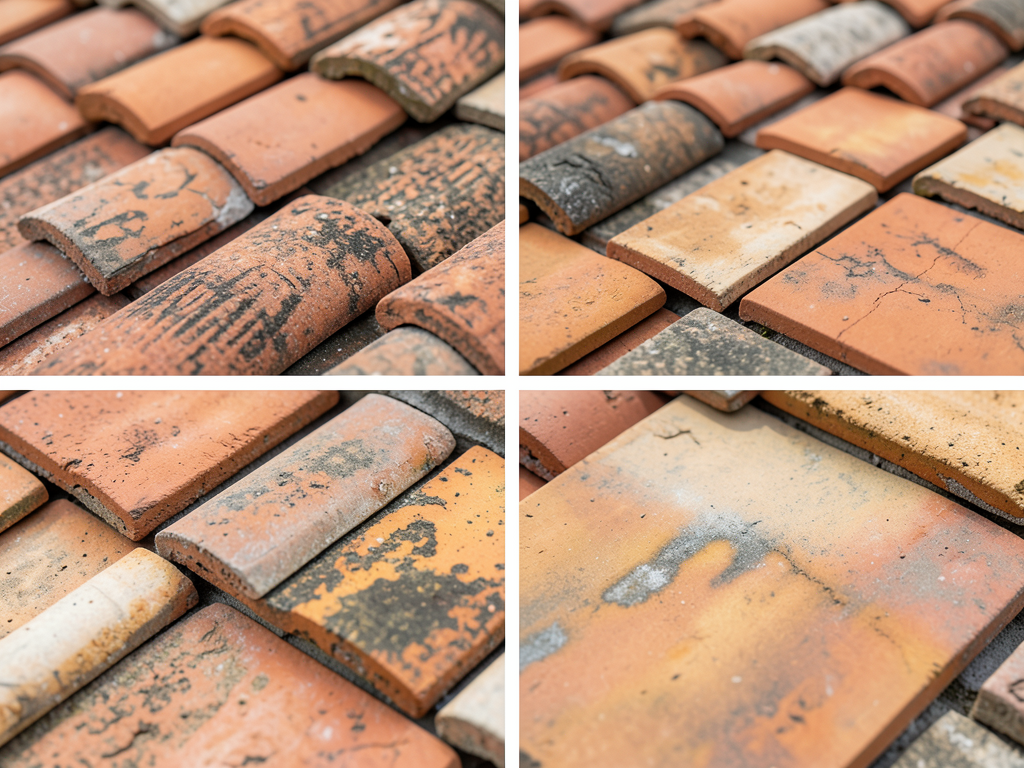
Weathering patterns create additional complexity. Miami’s high humidity accelerates the aging process of concrete tiles, causing them to develop surface pitting and color variations that new tiles simply don’t have. The salt air from nearby Biscayne Bay affects coastal-adjacent properties differently than those further inland, creating micro-climate variations in tile degradation.
Common Historic Tile Profiles: Barrel, S-Tile, and Flat Concrete
Mediterranean homes in The Roads typically feature three main tile profiles. Barrel tiles, also known as mission tiles, create the classic undulating roofline with their half-cylinder shape. These tiles were often produced in terracotta red, but many homes feature custom glazes that have faded to unique earth tones over decades of sun exposure.
S-tiles, shaped like the letter S when viewed from the side, offer a more pronounced profile and were popular in Spanish Colonial designs. The curved sections create shadow lines that are difficult to replicate when matching replacement tiles. Concrete versions of these profiles became common in the 1950s and 1960s, introducing gray and earth-tone color options.
Flat concrete tiles, while less common in pure Mediterranean designs, appear in many transitional homes throughout The Roads. These tiles offer better wind resistance but lack the distinctive Mediterranean character. When matching these, the challenge lies in finding tiles with the same surface texture and color variation as the aged originals. Finding a Reliable Roof Repair Company in Coconut Grove.
Our 3-Step Process for a Seamless Tile Match
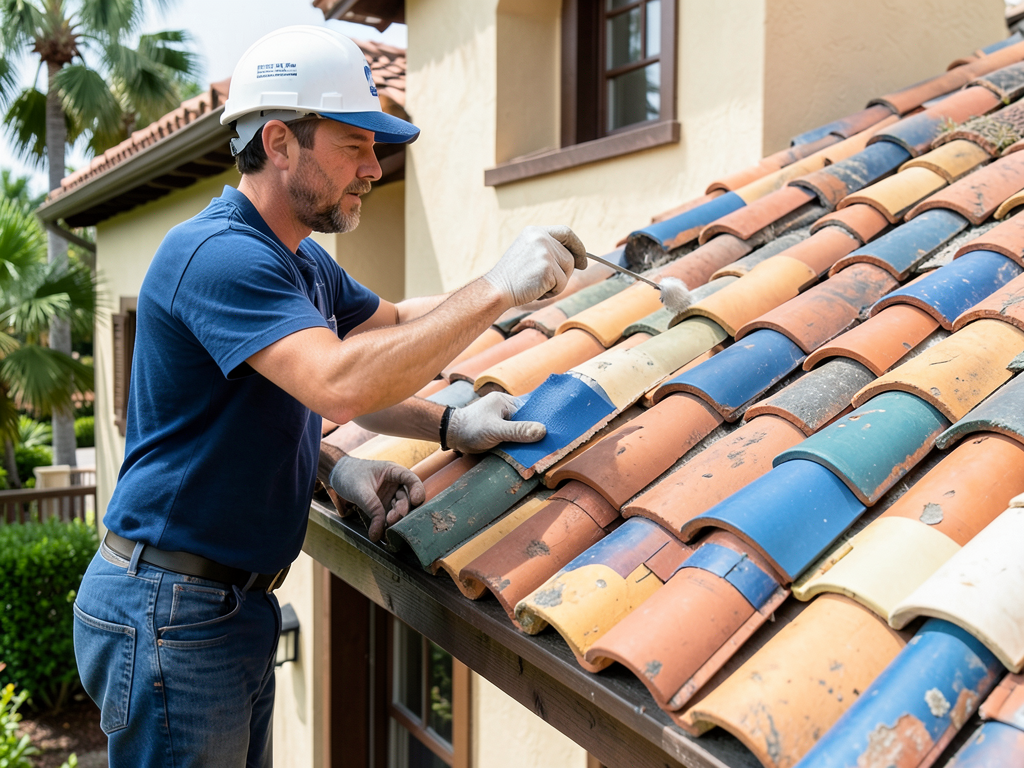
Finding the perfect tile match requires a systematic approach that goes beyond simply ordering similar-looking tiles from a supplier. Our process begins with detailed documentation of the existing roof system.
First, we conduct a comprehensive tile analysis. This involves photographing each tile profile, measuring dimensions, and documenting color variations across the roof surface. We create a color palette that captures the subtle variations in the aged tiles, from the deepest shadow areas to the sun-bleached peaks.
Second, we tap into South Florida’s extensive salvage network. Miami’s construction boom and bust cycles have created a market for reclaimed building materials. We maintain relationships with salvage yards from Homestead to West Palm Beach, giving us access to discontinued tiles that might match your specific needs. Sometimes the perfect match comes from a 1980s teardown rather than a 1920s original. Florida Building Code Notice of Acceptance.
Third, when salvage options fail, we work with custom glazing specialists who can recreate the exact color and texture of your aged tiles. This process involves creating sample tiles with different glaze formulations until we achieve a match that blends seamlessly with your existing roof when viewed from street level.
Sourcing Rare and Discontinued Tiles in South Florida
South Florida’s construction history creates unique opportunities for tile matching. The region experienced multiple building booms, each with different architectural styles and material preferences. This means discontinued tiles from the 1950s through the 1990s often surface in salvage operations.
Local salvage yards in areas like Hialeah and West Miami frequently receive materials from commercial building renovations and residential teardowns. These operations often have inventory that never makes it to online marketplaces, requiring relationships with local suppliers to access.
Additionally, Florida’s hurricane history means many homes have undergone partial repairs over the decades. Sometimes the perfect match for your 1925 home exists as leftover stock from a 1960s repair job sitting in a warehouse in Doral or Miami Springs. Professional Flat Roof Repair Services for Brickell Business Owners.
The challenge extends beyond finding visually similar tiles. Miami-Dade County’s Notice of Acceptance (NOA) requirements mean that any replacement tiles must be certified for use in High Velocity Hurricane Zones. This certification process ensures tiles can withstand wind speeds up to 170 mph, a critical consideration for The Roads’ proximity to Biscayne Bay. Protecting Your Home with Hurricane Rated Roofing Systems in Miami.
Miami-Dade Building Code Compliance for Partial Roof Repairs
Florida Building Code Chapter 15 establishes strict requirements for roofing materials in Miami-Dade County. The High Velocity Hurricane Zone (HVHZ) designation means all roofing materials must undergo rigorous testing for wind uplift resistance, impact resistance, and water infiltration.
For partial repairs, the code requires that replacement tiles meet current NOA standards, even if the original tiles were installed before these requirements existed. This creates a compliance challenge when matching historic tiles, as many original materials would not pass current certification.
The code also mandates secondary water barriers for roofs with slopes less than 2:12, and requires specific fastening methods based on roof deck type. In The Roads, many homes have wood deck construction that requires different fastening patterns than modern concrete decks.
Additionally, Miami-Dade’s wind mitigation requirements affect tile selection. Homes in certain flood zones or wind-borne debris regions must use tiles with specific impact ratings, potentially limiting the available matching options for historic profiles.
Get a Free Tile Matching Consultation in The Roads
Don’t let a single broken tile lead to a full roof replacement. Our tile matching specialists have successfully restored hundreds of historic Mediterranean homes throughout The Roads, preserving their architectural character while ensuring code compliance.
We offer free on-site consultations where we assess your specific tile matching needs, document existing conditions, and provide a detailed plan for finding or recreating the perfect match. Our team understands the unique challenges of working in The Roads’ historic neighborhoods and can navigate both the technical requirements and preservation considerations.
Call (645) 231-4888 today to schedule your free tile matching consultation. We’ll help you preserve your home’s historic integrity while ensuring it meets all current building code requirements.
Pick up the phone and call (645) 231-4888 before the next storm hits. A single missing or mismatched tile can lead to water damage that compromises your entire roof structure. Our rapid response team can often source matching tiles within 48 hours of your initial consultation.
Frequently Asked Questions
How long does it take to find matching replacement tiles?
The timeline varies based on tile availability. Salvage options can sometimes be sourced within 24-48 hours, while custom glazing may take 2-3 weeks. We provide a realistic timeline during your initial consultation based on your specific tile profile and color requirements.
Will I need to replace my entire roof to get a uniform look?
No. Our color matching process includes techniques for blending new tiles with aged ones. We can often achieve a seamless appearance without full replacement by strategically placing new tiles and using weathering accelerators on fresh installations.
Are replacement tiles covered by insurance?
Most homeowners insurance policies cover tile replacement when damage results from covered perils like storms or falling trees. However, matching discontinued tiles may require additional documentation. We work with insurance adjusters to ensure proper coverage for specialty matching services.
What if I can’t find an exact match for my historic tiles?
When exact matches prove impossible, we offer alternatives including custom glazing to recreate your tile’s appearance, or carefully selected modern tiles that complement rather than exactly match your existing roof. We prioritize maintaining your home’s architectural character throughout the process.
Do you work with the Miami-Dade Historic Preservation Board?
While we don’t directly represent homeowners before the Preservation Board, we understand their requirements and can ensure all work complies with applicable guidelines. We document all matching efforts and can provide the technical information needed for preservation review when required.
{
“@context”: “https://schema.org”,
“@type”: “BlogPosting”,
“headline”: “Finding Matching Replacement Tiles for Historic Mediterranean Homes in The Roads”,
“description”: “Struggling to match historic roof tiles in The Roads? Learn how Miami’s Mediterranean homes require specialized tile sourcing, code compliance, and expert color matching.”,
“wordCount”: 1522,
“datePublished”: “2026-04-21T09:38:00.000Z”,
“dateModified”: “2026-04-21T09:38:00.000Z”,
“inLanguage”: “en-US”,
“mainEntityOfPage”: {
“@type”: “WebPage”,
“@id”: “https://ironwoodroofingmiami.com”
},
“publisher”: {
“@type”: “LocalBusiness”,
“name”: “Ironwood Roofing Miami”,
“url”: “https://ironwoodroofingmiami.com”
},
“author”: {
“@type”: “Organization”,
“name”: “Ironwood Roofing Miami”,
“url”: “https://ironwoodroofingmiami.com”
},
“image”: {
“@type”: “ImageObject”,
“url”: “https://ironwoodroofingmiami.com/wp-content/uploads/2026/03/finding-matching-replacement-tiles-for-historic-me-1.png”
}
}
{
“@context”: “https://schema.org”,
“@type”: “RoofingContractor”,
“name”: “Ironwood Roofing Miami”,
“url”: “https://ironwoodroofingmiami.com”,
“address”: {
“@type”: “PostalAddress”,
“addressLocality”: “Miami”
},
“areaServed”: {
“@type”: “City”,
“name”: “Miami”
}
}
{
“@context”: “https://schema.org”,
“@type”: “FAQPage”,
“mainEntity”: [
{
“@type”: “Question”,
“name”: “How long does it take to find matching replacement tiles?”,
“acceptedAnswer”: {
“@type”: “Answer”,
“text”: “The timeline varies based on tile availability. Salvage options can sometimes be sourced within 24-48 hours, while custom glazing may take 2-3 weeks. We provide a realistic timeline during your initial consultation based on your specific tile profile and color requirements.”
}
},
{
“@type”: “Question”,
“name”: “Will I need to replace my entire roof to get a uniform look?”,
“acceptedAnswer”: {
“@type”: “Answer”,
“text”: “No. Our color matching process includes techniques for blending new tiles with aged ones. We can often achieve a seamless appearance without full replacement by strategically placing new tiles and using weathering accelerators on fresh installations.”
}
},
{
“@type”: “Question”,
“name”: “Are replacement tiles covered by insurance?”,
“acceptedAnswer”: {
“@type”: “Answer”,
“text”: “Most homeowners insurance policies cover tile replacement when damage results from covered perils like storms or falling trees. However, matching discontinued tiles may require additional documentation. We work with insurance adjusters to ensure proper coverage for specialty matching services.”
}
},
{
“@type”: “Question”,
“name”: “What if I can’t find an exact match for my historic tiles?”,
“acceptedAnswer”: {
“@type”: “Answer”,
“text”: “When exact matches prove impossible, we offer alternatives including custom glazing to recreate your tile’s appearance, or carefully selected modern tiles that complement rather than exactly match your existing roof. We prioritize maintaining your home’s architectural character throughout the process.”
}
},
{
“@type”: “Question”,
“name”: “Do you work with the Miami-Dade Historic Preservation Board?”,
“acceptedAnswer”: {
“@type”: “Answer”,
“text”: “While we don’t directly represent homeowners before the Preservation Board, we understand their requirements and can ensure all work complies with applicable guidelines. We document all matching efforts and can provide the technical information needed for preservation review when required.”
}
}
]
}
{
“@context”: “https://schema.org”,
“@type”: “BreadcrumbList”,
“itemListElement”: [
{
“@type”: “ListItem”,
“position”: 1,
“name”: “Home”,
“item”: “https://ironwoodroofingmiami.com”
},
{
“@type”: “ListItem”,
“position”: 2,
“name”: “Blog”,
“item”: “https://ironwoodroofingmiami.com/blog”
},
{
“@type”: “ListItem”,
“position”: 3,
“name”: “Finding Matching Replacement Tiles for Historic Mediterranean Homes in The Roads”
}
]
}
{
“@context”: “https://schema.org”,
“@type”: “Service”,
“serviceType”: “Roofing”,
“provider”: {
“@type”: “LocalBusiness”,
“name”: “Ironwood Roofing Miami”,
“url”: “https://ironwoodroofingmiami.com”
},
“areaServed”: {
“@type”: “City”,
“name”: “Miami”
},
“description”: “Struggling to match historic roof tiles in The Roads? Learn how Miami’s Mediterranean homes require specialized tile sourcing, code compliance, and expert color matching.”
}