Fixing Leaky Chimneys and Flashing Issues in Older Morningside Homes
If you notice water stains on your ceiling near the chimney or hear dripping sounds during Miami’s afternoon thunderstorms, you’re likely dealing with failing chimney flashing. Morningside’s historic homes built in the 1920s through 1940s feature beautiful Mediterranean Revival architecture, but their original flashing systems weren’t designed to withstand Miami’s salt-air corrosion, intense UV exposure, and hurricane-force winds. The combination of aging materials and Miami-Dade’s High Velocity Hurricane Zone requirements creates a perfect storm for chimney leaks that worsen with every passing storm season. Miami-Dade Notice of Acceptance (NOA).
Why Morningside Chimneys Leak More Than Newer Homes
Morningside’s architectural heritage includes clay tile roofs, stucco exteriors, and brick chimneys that create stunning streetscapes along NE 56th Street and NE 7th Avenue. However, these same features make chimney flashing particularly vulnerable to Miami’s harsh climate. The original galvanized steel flashing installed decades ago corrodes within 15-20 years when exposed to salt-laden air blowing off Biscayne Bay. Meanwhile, Miami’s thermal expansion cycles cause flashing joints to separate as materials expand and contract by up to 1/4 inch daily between scorching afternoons and cooler nights.
Beyond material degradation, Morningside’s mature tree canopy creates another problem. Falling palm fronds and oak leaves trap moisture against flashing joints, accelerating corrosion while blocking proper drainage. The neighborhood’s elevation sits just above sea level, meaning groundwater can wick up through foundation materials and create hidden moisture problems that manifest as chimney leaks during heavy rains.
Common Chimney Flashing Failure Patterns in Morningside
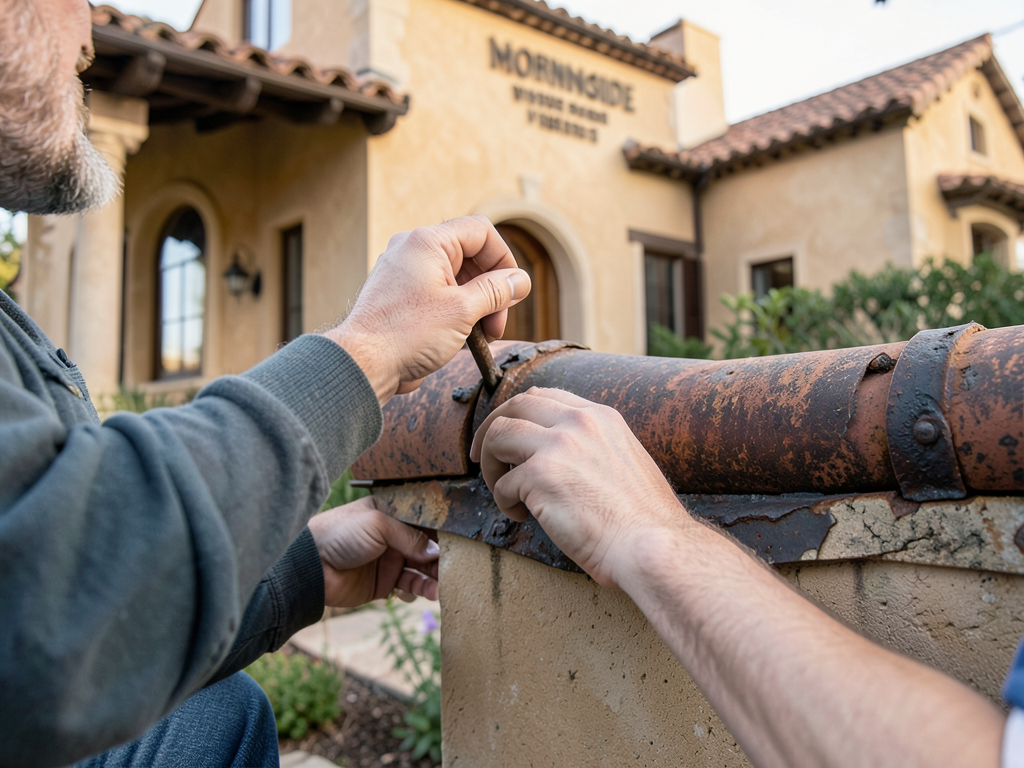
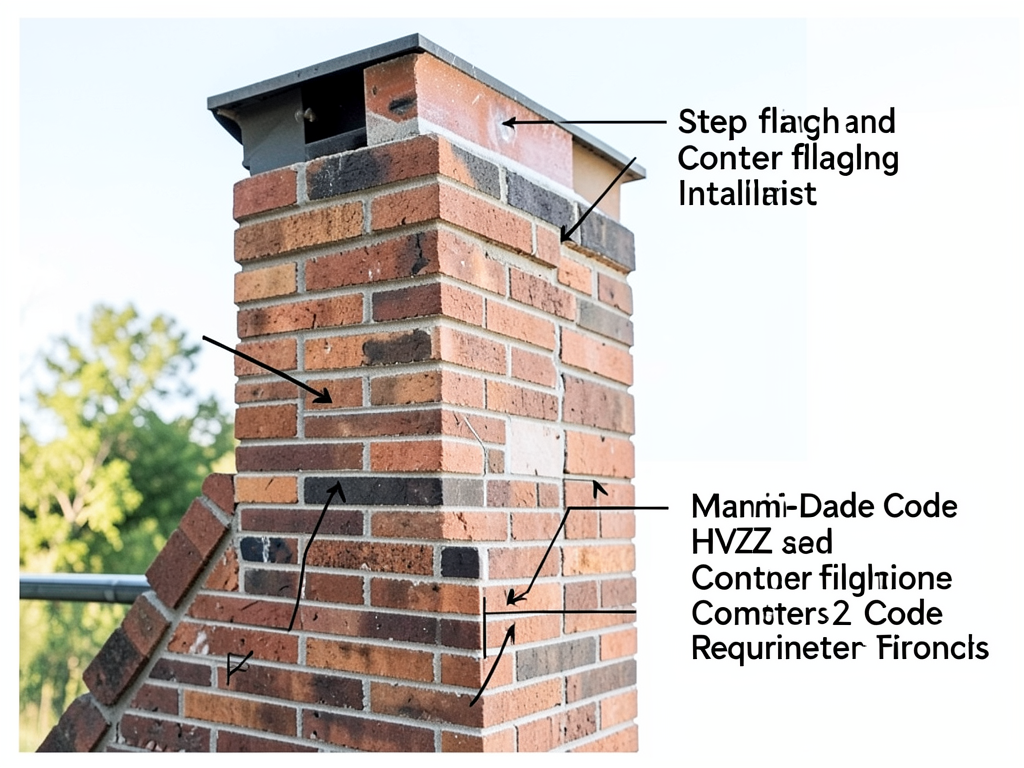
The most frequent failure occurs at step flashing where the vertical chimney meets the sloped roof. In Morningside homes, you’ll often find rusted metal that crumbles when touched, creating gaps where water pours directly into the roof deck. Counter flashing that’s supposed to seal these joints becomes loose as mortar deteriorates, allowing wind-driven rain to penetrate behind the flashing system. The Best Metal Roofing Options for Homes in Key Biscayne.
Another telltale sign is cracked sealant around chimney crickets or saddles. These water-diverting structures are essential in Morningside where roof pitches often exceed 8:12, but the original asphalt-based sealants become brittle under Miami’s UV radiation. You might notice dark streaks running down the chimney face or water stains on interior walls that appear only during heavy storms from the southeast.
Professional chimney inspections in Morningside often reveal a third issue: missing or damaged chimney caps. Without proper caps, rain enters the flue directly, saturating masonry that then transfers moisture through the flashing system. This creates a cascading failure where water moves from the chimney interior to the roof exterior, making the source difficult to pinpoint without proper diagnostic tools. Professional Flat Roof Repair Services for Brickell Business Owners.
Miami-Dade HVHZ Requirements for Chimney Flashing
Florida Building Code Chapter 15, Section 1503.2 mandates specific flashing requirements for chimneys in High Velocity Hurricane Zones. For Morningside homes undergoing repairs or renovations, this means using corrosion-resistant materials rated for Miami-Dade’s climate. The code requires minimum 26-gauge galvanized steel or its nonferrous equivalent, with stainless steel or copper flashing needing approval through Miami-Dade Notice of Acceptance (NOA) testing. Florida Building Code High Velocity Hurricane Zone.
The HVHZ standards also specify flashing dimensions that many original installations don’t meet. Step flashing must extend at least 4 inches up the chimney and 4 inches onto the roof deck, with counter flashing overlapping by a minimum of 1.5 inches. These measurements ensure wind-driven rain cannot penetrate behind the flashing system during tropical storms that frequently impact Morningside.
Additionally, the code requires two layers of underlayment in the chimney area, with the upper layer extending at least 24 inches beyond the chimney on all sides. This secondary barrier proves critical in Morningside where afternoon thunderstorms can dump several inches of rain in under an hour, testing even well-installed flashing systems.
Diagnostic Tests for Chimney Leaks
Before repairing chimney flashing, proper diagnosis prevents wasted time and money. Start with a visual inspection during daylight hours. Look for rusted metal, separated joints, or missing sealant around the chimney base. Next, perform a water test by having someone spray water on the chimney while you watch inside for signs of leakage. This reveals whether the flashing or another component is causing the problem.
For more thorough diagnosis, use a moisture meter to check the roof deck around the chimney. Readings above 18% indicate active moisture intrusion that requires immediate attention. In Morningside’s older homes, you might find that water travels along rafters before dripping, making the actual leak source several feet from visible water stains.
Professional technicians also examine the chimney crown and cap during inspections. Cracks in the crown allow water to enter the flue, while damaged caps let rain pour directly down the chimney shaft. Both issues create moisture problems that mimic flashing failures but require different repairs. The sound of water dripping inside the chimney during rain often indicates cap or crown issues rather than flashing problems.
Repair Options for Morningside Chimney Flashing
Minor repairs work for localized damage caught early. Remove old sealant with a putty knife, clean the surfaces thoroughly, and apply new polyurethane sealant rated for Miami’s climate. This approach costs less but typically lasts only 3-5 years in Morningside’s harsh conditions. For step flashing with isolated rust spots, you can replace individual pieces rather than the entire system.
Complete flashing replacement becomes necessary when corrosion affects most of the system or when HVHZ compliance requires upgrades. This involves removing old flashing, inspecting the roof deck for damage, installing new corrosion-resistant flashing, and ensuring proper counter flashing integration with existing masonry. Copper flashing, while more expensive upfront, lasts 50+ years in Miami’s climate and develops a protective patina that prevents further corrosion.
Chimney cricket installation addresses a common Morningside problem where water pools behind chimneys on steep roofs. These small, peaked structures divert water around the chimney, preventing ponding that accelerates flashing deterioration. Building code requires crickets for chimneys wider than 30 inches on roofs with pitches over 6:12, which describes many Morningside homes.
Material Selection for Miami’s Climate
Material choice significantly impacts longevity in Morningside’s corrosive environment. Galvanized steel offers the lowest initial cost but requires replacement every 15-20 years. Aluminum flashing resists corrosion but cannot contact pressure-treated lumber or certain masonry materials without isolation membranes. Both options fail prematurely in coastal areas of Morningside closest to the bay.
Copper flashing represents the premium choice for Morningside homeowners planning to stay long-term. While costing 3-4 times more than galvanized steel, copper flashing lasts 50-100 years and develops a protective green patina that prevents further corrosion. The material also expands and contracts at rates similar to clay tiles commonly found on Morningside homes, reducing stress on joints. Why Homeowners in Coral Gables Choose Professional Tile Roof Installation.
Stainless steel provides another durable option, particularly for homes within two miles of the coast where salt spray accelerates corrosion. Marine-grade 316 stainless steel resists pitting and crevice corrosion that destroy standard materials. The cost falls between galvanized steel and copper while offering 30-40 year lifespans in Miami’s climate.
Prevention Strategies for Long-Term Protection
Annual chimney inspections catch problems before they cause interior damage. Schedule inspections each spring before hurricane season begins, allowing time for repairs before tropical storms arrive. During inspections, check flashing for rust, sealant for cracks, and chimney masonry for deterioration. Document findings with photos to track deterioration over time. Finding a Reliable Roof Repair Company in Coconut Grove.
Gutter maintenance directly impacts chimney flashing longevity. Clogged gutters cause water to back up under roof materials, increasing pressure on flashing joints. Clean gutters at least twice yearly, more often if Morningside’s oak trees drop heavy leaf loads in spring and fall. Ensure downspouts direct water at least 5 feet from the foundation to prevent basement moisture issues that can affect chimney performance.
Consider applying protective coatings to exposed flashing in high-risk areas. Elastomeric coatings create flexible barriers that bridge small gaps while allowing metal expansion. These coatings extend flashing life by 5-7 years but require reapplication every 3-5 years. Choose products specifically rated for Miami’s UV exposure and salt-air conditions.
Cost Factors for Chimney Flashing Repair in Morningside
Repair costs vary based on damage extent, material selection, and roof accessibility. Simple sealant replacement for minor leaks starts around $300-500, while complete flashing replacement for standard chimneys ranges from $1,500-3,000. Copper flashing installations can exceed $5,000 for premium materials and complex chimney configurations common in Morningside’s historic homes.
Roof pitch significantly affects labor costs. Morningside features many homes with pitches between 8:12 and 12:12, requiring additional safety equipment and slower work rates. Steeper pitches can increase labor costs by 30-50% compared to standard 4:12 roofs. Chimney width and complexity also impact pricing, with wider chimneys requiring more flashing material and labor.
Emergency repairs during active leaks cost 50-75% more than scheduled work due to after-hours labor rates and expedited material delivery. Many Morningside homeowners discover they need emergency service during tropical storms when water pours through ceilings. Planning repairs during dry seasons saves money and ensures thorough work without weather pressure.
DIY vs. Professional Chimney Flashing Repair
DIY repairs work for minor sealant replacement on accessible chimneys with safe roof access. The process involves cleaning old sealant, applying new material, and monitoring for continued leaks. However, DIY repairs carry significant risks in Morningside’s climate. Improper material selection leads to premature failure, while incorrect installation creates pathways for water intrusion that worsen over time.
Professional repairs ensure compliance with Miami-Dade HVHZ requirements, which many DIYers overlook. Licensed contractors understand flashing integration with various roofing materials, proper underlayment installation, and code-required dimensions. They also carry insurance covering fall accidents and water damage that might occur during repairs. Most importantly, professionals provide warranties covering both materials and workmanship.
The cost difference between DIY and professional repair often proves minimal when considering tool rentals, material waste from mistakes, and potential water damage from failed repairs. A $300 DIY repair that fails and causes $5,000 in interior damage represents false economy. Professional repairs typically include free follow-up inspections and discounted emergency service if problems arise.
Emergency Response for Active Chimney Leaks
When water actively enters through chimney flashing during a storm, immediate action prevents extensive damage. Place buckets under active leaks to catch water and protect flooring. Move furniture and valuables away from affected areas. If electrical outlets or fixtures are near the leak, turn off power to those circuits to prevent shock hazards.
Temporary tarping can slow water intrusion until professional repairs begin. Use heavy-duty tarps extending at least 3 feet beyond the chimney on all sides, securing edges with roofing nails or screws rather than weights that can blow away. This buys time but doesn’t replace proper flashing repair, as wind can still drive water under tarps.
Document damage with photos and videos for insurance purposes. Many Morningside homeowners discover that water travels along rafters before dripping, creating multiple stain points that appear unrelated to the actual leak source. This documentation helps insurance adjusters understand the full scope of damage and supports claims for both roof repairs and interior restoration.
Frequently Asked Questions
How long should chimney flashing last in Miami’s climate?
Standard galvanized steel flashing typically lasts 15-20 years in Miami’s coastal areas, while copper or stainless steel can last 50+ years. The intense UV exposure, salt-air corrosion, and thermal expansion cycles in Morningside significantly reduce flashing lifespan compared to inland areas.
Can I just seal the visible cracks in my chimney flashing?
Surface sealing provides only temporary relief and often traps moisture that accelerates underlying corrosion. While sealant might stop minor leaks for a few months, it doesn’t address the structural issues causing flashing failure. Professional inspection determines whether repair or replacement is necessary.
Will my homeowner’s insurance cover chimney flashing repairs?
Standard policies typically exclude normal wear and tear but may cover damage from specific events like fallen trees or hurricane impacts. Many Morningside homeowners discover their policies require regular maintenance documentation, so annual inspections help support claims when damage occurs. Protecting Your Home with Hurricane Rated Roofing Systems in Miami.
How can I tell if my chimney flashing is failing before leaks appear?
Look for rusted metal, separated joints, missing sealant, or water stains on exterior chimney walls. Inside your home, check for dark spots on ceilings near the chimney or musty odors that indicate hidden moisture. Professional moisture meters can detect problems before visible signs appear.
Is copper flashing worth the extra cost for Morningside homes?
For Morningside’s historic homes where owners plan long-term ownership, copper flashing proves cost-effective despite higher upfront costs. The 50+ year lifespan, superior corrosion resistance, and aesthetic patina that complements Mediterranean architecture justify the investment for many homeowners in this neighborhood.
Protect Your Morningside Home from Chimney Leaks
Chimney flashing problems in Morningside require immediate attention before minor issues become major structural damage. The neighborhood’s historic architecture, combined with Miami’s extreme climate conditions, creates unique challenges that demand professional expertise and proper material selection. Don’t wait for the next tropical storm to discover your flashing has failed.
Call (645) 231-4888 today to schedule your chimney inspection. Our Miami-Dade certified technicians understand the specific challenges of Morningside’s historic homes and can recommend the right flashing solution for your situation. We provide detailed estimates, explain all options clearly, and complete most repairs within one day to minimize disruption to your home.
Pick up the phone and call (645) 231-4888 before the next afternoon thunderstorm hits. Early intervention prevents costly interior damage and ensures your chimney flashing meets current HVHZ requirements. Your Morningside home deserves protection that lasts through Miami’s toughest weather conditions.
{
“@context”: “https://schema.org”,
“@type”: “BlogPosting”,
“headline”: “Fixing Leaky Chimneys and Flashing Issues in Older Morningside Homes”,
“description”: “Expert chimney flashing repair for Morningside’s historic homes. Learn to spot leaks, understand Miami-Dade HVHZ code, and protect your roof from salt-air corrosion.”,
“wordCount”: 2273,
“datePublished”: “2026-03-17T16:17:00.000Z”,
“dateModified”: “2026-03-17T16:17:00.000Z”,
“inLanguage”: “en-US”,
“mainEntityOfPage”: {
“@type”: “WebPage”,
“@id”: “https://ironwoodroofingmiami.com”
},
“publisher”: {
“@type”: “LocalBusiness”,
“name”: “Ironwood Roofing Miami”,
“url”: “https://ironwoodroofingmiami.com”
},
“author”: {
“@type”: “Organization”,
“name”: “Ironwood Roofing Miami”,
“url”: “https://ironwoodroofingmiami.com”
},
“image”: {
“@type”: “ImageObject”,
“url”: “https://ironwoodroofingmiami.com/wp-content/uploads/2026/03/fixing-leaky-chimneys-and-flashing-issues-in-older-1.png”
}
}
{
“@context”: “https://schema.org”,
“@type”: “RoofingContractor”,
“name”: “Ironwood Roofing Miami”,
“url”: “https://ironwoodroofingmiami.com”,
“address”: {
“@type”: “PostalAddress”,
“addressLocality”: “Miami”
},
“areaServed”: {
“@type”: “City”,
“name”: “Miami”
}
}
{
“@context”: “https://schema.org”,
“@type”: “FAQPage”,
“mainEntity”: [
{
“@type”: “Question”,
“name”: “How long should chimney flashing last in Miami’s climate?”,
“acceptedAnswer”: {
“@type”: “Answer”,
“text”: “Standard galvanized steel flashing typically lasts 15-20 years in Miami’s coastal areas, while copper or stainless steel can last 50+ years. The intense UV exposure, salt-air corrosion, and thermal expansion cycles in Morningside significantly reduce flashing lifespan compared to inland areas.”
}
},
{
“@type”: “Question”,
“name”: “Can I just seal the visible cracks in my chimney flashing?”,
“acceptedAnswer”: {
“@type”: “Answer”,
“text”: “Surface sealing provides only temporary relief and often traps moisture that accelerates underlying corrosion. While sealant might stop minor leaks for a few months, it doesn’t address the structural issues causing flashing failure. Professional inspection determines whether repair or replacement is necessary.”
}
},
{
“@type”: “Question”,
“name”: “Will my homeowner’s insurance cover chimney flashing repairs?”,
“acceptedAnswer”: {
“@type”: “Answer”,
“text”: “Standard policies typically exclude normal wear and tear but may cover damage from specific events like fallen trees or hurricane impacts. Many Morningside homeowners discover their policies require regular maintenance documentation, so annual inspections help support claims when damage occurs. Protecting Your Home with Hurricane Rated Roofing Systems in Miami.”
}
},
{
“@type”: “Question”,
“name”: “How can I tell if my chimney flashing is failing before leaks appear?”,
“acceptedAnswer”: {
“@type”: “Answer”,
“text”: “Look for rusted metal, separated joints, missing sealant, or water stains on exterior chimney walls. Inside your home, check for dark spots on ceilings near the chimney or musty odors that indicate hidden moisture. Professional moisture meters can detect problems before visible signs appear.”
}
},
{
“@type”: “Question”,
“name”: “Is copper flashing worth the extra cost for Morningside homes?”,
“acceptedAnswer”: {
“@type”: “Answer”,
“text”: “For Morningside’s historic homes where owners plan long-term ownership, copper flashing proves cost-effective despite higher upfront costs. The 50+ year lifespan, superior corrosion resistance, and aesthetic patina that complements Mediterranean architecture justify the investment for many homeowners in this neighborhood.”
}
}
]
}
{
“@context”: “https://schema.org”,
“@type”: “BreadcrumbList”,
“itemListElement”: [
{
“@type”: “ListItem”,
“position”: 1,
“name”: “Home”,
“item”: “https://ironwoodroofingmiami.com”
},
{
“@type”: “ListItem”,
“position”: 2,
“name”: “Blog”,
“item”: “https://ironwoodroofingmiami.com/blog”
},
{
“@type”: “ListItem”,
“position”: 3,
“name”: “Fixing Leaky Chimneys and Flashing Issues in Older Morningside Homes”
}
]
}
{
“@context”: “https://schema.org”,
“@type”: “Service”,
“serviceType”: “Roofing”,
“provider”: {
“@type”: “LocalBusiness”,
“name”: “Ironwood Roofing Miami”,
“url”: “https://ironwoodroofingmiami.com”
},
“areaServed”: {
“@type”: “City”,
“name”: “Miami”
},
“description”: “Expert chimney flashing repair for Morningside’s historic homes. Learn to spot leaks, understand Miami-Dade HVHZ code, and protect your roof from salt-air corrosion.”
}