Transitioning to Solar Roofing in the Miami Area
Solar roofing in Miami combines hurricane-resistant engineering with Florida’s abundant sunshine to deliver energy independence. The technology has evolved beyond bulky panels to integrated solar shingles that maintain your home’s aesthetic while generating power. With Miami-Dade’s strict building codes and the region’s hurricane exposure, transitioning requires specialized knowledge of High Velocity Hurricane Zone (HVHZ) requirements and FPL’s net metering policies. Florida Building Code.
Why Solar Roofing Makes Sense for Miami Homes
Miami’s 250+ sunny days annually create ideal conditions for solar energy generation. The average Miami homeowner spends $200-300 monthly on electricity during summer months, making solar an attractive investment. Solar roofing systems in Miami-Dade must meet Notice of Acceptance (NOA) standards, ensuring they withstand winds up to 150 mph while maintaining waterproof integrity. The Best Metal Roofing Options for Homes in Key Biscayne.
The financial case strengthens with federal tax credits covering 30% of installation costs through 2032, plus Florida’s sales tax exemption on solar equipment. Miami residents also benefit from FPL’s net metering program, which credits homeowners for excess power sent back to the grid during sunny afternoons. Florida Power & Light Net Metering.
Solar Shingles vs. Traditional Panels: Miami Climate Considerations
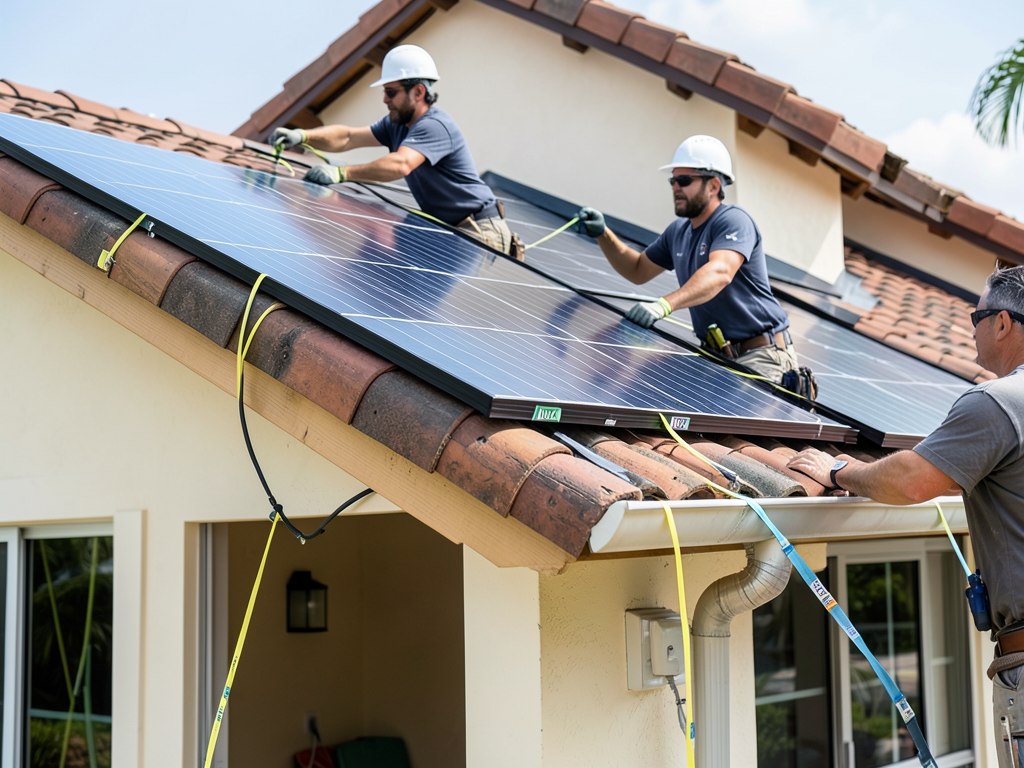
Solar shingles integrate photovoltaic cells directly into roofing materials, creating a seamless appearance that preserves Miami’s architectural character. Traditional panels mount on top of existing roofs using racking systems that can create wind uplift points during hurricanes. Protecting Your Home with Hurricane Rated Roofing Systems in Miami.
Solar shingles offer several advantages in Miami’s climate. Their low profile reduces wind resistance, and premium products like GAF Energy Timberline Solar carry Miami-Dade NOA approvals for hurricane zones. They also eliminate the need for penetrations through your existing roof, reducing potential leak points in our heavy rain season.
Traditional panels typically generate more power per square foot and cost less initially. However, they require structural evaluation of your roof deck, as mounting hardware adds weight and creates attachment points that must meet HVHZ standards. Panels also stand out visually, which may concern homeowners in historic districts like Coral Gables or Coconut Grove. Why Homeowners in Coral Gables Choose Professional Tile Roof Installation.
| Feature | Solar Shingles | Traditional Panels |
|---|---|---|
| Wind Rating | Up to 150 mph (NOA approved) | Up to 140 mph (varies by mounting) |
| Installation Time | 3-5 days | 1-2 days |
| Roof Penetration | None | Multiple mounting points |
| Aesthetic Impact | Seamless integration | Visible mounting hardware |
| Cost per Watt | $3.80-$4.50 | $2.50-$3.20 |
Meeting Miami-Dade’s HVHZ Requirements
Miami-Dade County enforces the nation’s strictest building codes for high-wind areas. Solar roofing systems must pass rigorous testing for uplift resistance, impact from wind-borne debris, and water infiltration. The Notice of Acceptance (NOA) process requires manufacturers to submit products for testing at approved laboratories. Roofing Cutler Bay.
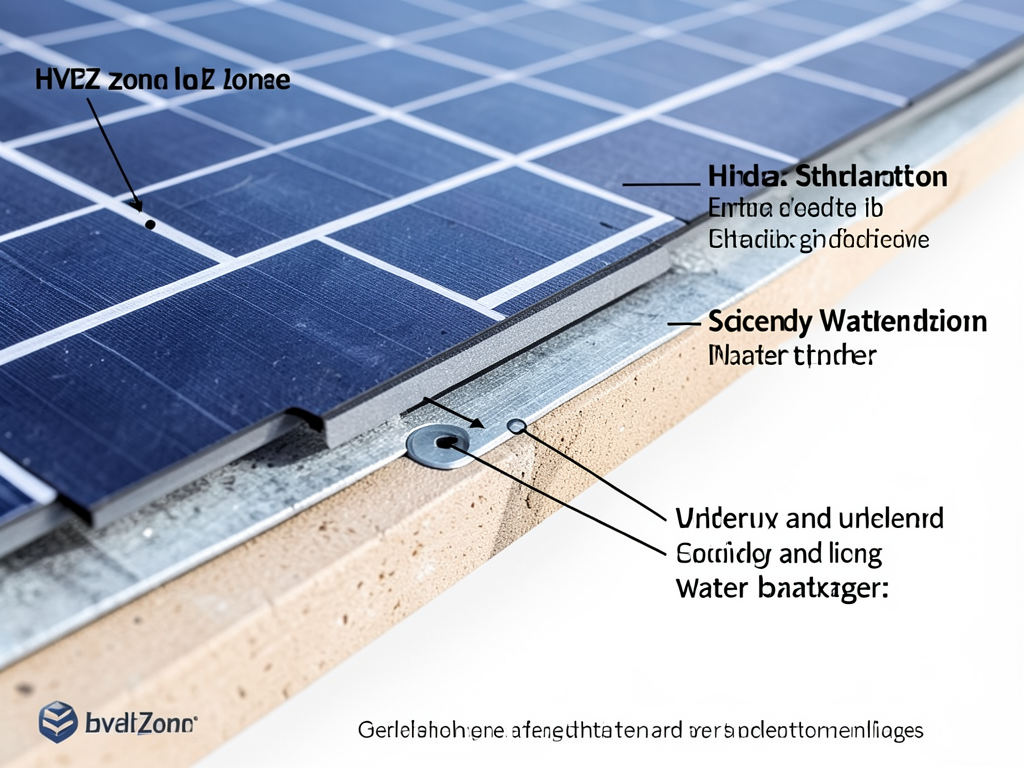
Installation in HVHZ zones demands specific techniques. Roofers must use enhanced underlayment systems, hurricane straps at attachment points, and sealed penetrations. The Florida Building Code requires secondary water barriers on all re-roofing projects, adding another layer of protection against the driving rain common in tropical storms.
Ironwood Roofing employs Florida-licensed contractors with HVHZ certification. Our teams understand the critical differences between standard solar installations and those meeting Miami-Dade’s enhanced requirements. We conduct structural load calculations to ensure your roof deck can support the additional weight, which ranges from 2-4 pounds per square foot for most systems.
The Financial Benefits of Solar in Miami
Solar roofing investments in Miami typically achieve payback in 5-7 years, depending on energy usage and system size. The combination of federal tax credits, state sales tax exemptions, and FPL’s net metering creates compelling economics. A typical 6-8 kW system can save $1,200-2,400 annually on electricity bills.
FPL’s net metering policy credits customers at the retail rate for excess power generated during peak sunlight hours. This means your meter can actually run backward on sunny days, building credits for nighttime use or cloudy periods. Miami’s consistent sunshine maximizes this benefit compared to northern states.
Beyond direct savings, solar roofing increases property values. Studies show homes with solar systems sell for 4% more on average, with buyers valuing the locked-in energy costs. In Miami’s competitive real estate market, this can translate to $15,000-25,000 in added value for a typical single-family home.
Our Miami Solar Roofing Installation Process
- Structural Assessment
Our technicians inspect your roof deck, trusses, and attic space to verify structural integrity. We check for rot, water damage, or inadequate framing that could compromise solar installation. This step identifies whether roof reinforcement is needed before solar work begins.
- Permit Acquisition
We handle all Miami-Dade County permitting, including structural engineering drawings and NOA documentation. The process typically takes 2-3 weeks as plans must be reviewed by the building department’s solar specialist. We ensure all HVHZ requirements are documented before approval.
- Installation Phase
Our certified crews install the solar roofing system according to manufacturer specifications and local codes. This includes enhanced underlayment, proper flashing at all transitions, and hurricane-rated attachment hardware. Most installations complete in 3-5 days weather permitting.
- Utility Connection
After passing final inspection, we coordinate with FPL to install the net meter and connect your system to the grid. This step requires FPL approval and typically completes within 1-2 weeks of installation.
Maintaining Your Solar Roof in South Florida
Miami’s tropical climate creates unique maintenance requirements for solar roofing. Salt air near coastal areas can accumulate on panels, reducing efficiency by up to 15% if not cleaned regularly. We recommend professional cleaning every 6-12 months, with more frequent service for homes within 5 miles of the coast. Professional Flat Roof Repair Services for Brickell Business Owners.
Heavy rains during hurricane season can wash away accumulated debris, but also deposit organic material that blocks sunlight. After major storms, inspect your system for damage from wind-borne objects. Most solar shingles carry impact ratings that withstand hail and debris, but connections and wiring should be checked.
Ironwood Roofing provides maintenance plans specifically designed for Miami’s environment. Our technicians check sealant integrity, verify electrical connections, and clean panels using deionized water that won’t leave mineral deposits. We also monitor system performance through integrated apps, alerting you to efficiency drops that might indicate cleaning needs.
Energy Independence and Hurricane Preparedness
Solar roofing paired with battery storage creates energy resilience during Miami’s frequent tropical storms. When the grid goes down, which happens regularly during hurricanes, battery systems keep essential circuits powered. Modern solar shingles integrate seamlessly with batteries like the Tesla Powerwall or Enphase Encharge.
The psychological benefit matters in a region where power outages lasting days or weeks are common. Knowing your refrigerator, medical equipment, and communication devices stay powered provides peace of mind. Battery systems typically provide 8-12 hours of backup for essential loads, with solar recharging during daylight hours.
Our installations include transfer switches that automatically isolate your home from the grid during outages, protecting utility workers and allowing your solar system to power your home safely. This integration requires specific electrical work that meets National Electrical Code Article 705 requirements for distributed generation.
Is Your Home Ready for Solar Roofing?
Several factors determine solar roofing suitability for Miami homes. Roof age matters significantly – if your roof needs replacement within 5 years, address that first. Solar shingles last 25-30 years, so matching roof and solar system lifespans maximizes value.
Roof orientation affects production, with south-facing slopes generating the most power in the northern hemisphere. However, east and west orientations still produce 80-85% of south-facing output in Miami’s intense sunlight. Shading from nearby trees or buildings reduces efficiency, sometimes making ground-mounted systems more viable.
Local building codes also influence feasibility. Historic districts may restrict visible solar installations, though solar shingles often gain approval due to their low profile. Homeowners associations in communities like Miami Lakes or Coral Gables may have additional requirements, though Florida’s Solar Rights Act limits their ability to prohibit solar installations.
Frequently Asked Questions
How much does solar roofing cost in Miami?
Solar roofing costs in Miami range from $15,000 to $40,000 depending on system size and product selection. Federal tax credits reduce this by 30%, and FPL’s net metering policy helps maximize return on investment through energy bill savings.
Can solar roofing withstand Miami hurricanes?
Yes, when properly installed to Miami-Dade NOA standards, solar roofing withstands winds up to 150 mph. Products like GAF Energy Timberline Solar and Tesla Solar Roof carry specific approvals for HVHZ zones and undergo rigorous testing for impact resistance and uplift.
How long does installation take?
Installation typically requires 3-5 days for the physical work, plus 2-3 weeks for permitting and utility connection. The entire process from contract signing to power generation usually completes within 4-6 weeks, weather permitting.
Will I still have power during a hurricane?
With battery storage, your solar system can provide backup power during outages. Without batteries, most grid-tied systems shut down during outages for safety. We recommend battery integration for hurricane-prone areas to maintain essential power during storms.
Does solar roofing void my roof warranty?
Quality solar roofing installations maintain existing roof warranties when performed by certified contractors. In fact, solar shingles often extend roof life by protecting underlying materials from UV exposure and weather damage.
Call (645) 231-4888 today to schedule your inspection. Our Miami-based team understands the unique challenges of solar roofing in South Florida and can help you achieve energy independence while protecting your home from our extreme weather.
{
“@context”: “https://schema.org”,
“@type”: “BlogPosting”,
“headline”: “Transitioning to Solar Roofing in the Miami Area”,
“description”: “Discover how solar roofing withstands Miami’s hurricanes while cutting energy costs. Learn about HVHZ compliance, FPL net metering, and federal tax credits for 2026.”,
“wordCount”: 1560,
“datePublished”: “2026-03-03T07:00:00.000Z”,
“dateModified”: “2026-03-03T07:00:00.000Z”,
“inLanguage”: “en-US”,
“mainEntityOfPage”: {
“@type”: “WebPage”,
“@id”: “https://ironwoodroofingmiami.com”
},
“publisher”: {
“@type”: “LocalBusiness”,
“name”: “Ironwood Roofing Miami”,
“url”: “https://ironwoodroofingmiami.com”
},
“author”: {
“@type”: “Organization”,
“name”: “Ironwood Roofing Miami”,
“url”: “https://ironwoodroofingmiami.com”
},
“image”: {
“@type”: “ImageObject”,
“url”: “https://ironwoodroofingmiami.com/wp-content/uploads/2026/03/transitioning-to-solar-roofing-in-the-miami-area-1.png”
}
}
{
“@context”: “https://schema.org”,
“@type”: “RoofingContractor”,
“name”: “Ironwood Roofing Miami”,
“url”: “https://ironwoodroofingmiami.com”,
“address”: {
“@type”: “PostalAddress”,
“addressLocality”: “Miami”
},
“areaServed”: {
“@type”: “City”,
“name”: “Miami”
}
}
{
“@context”: “https://schema.org”,
“@type”: “FAQPage”,
“mainEntity”: [
{
“@type”: “Question”,
“name”: “Is Your Home Ready for Solar Roofing?”,
“acceptedAnswer”: {
“@type”: “Answer”,
“text”: “Several factors determine solar roofing suitability for Miami homes. Roof age matters significantly – if your roof needs replacement within 5 years, address that first. Solar shingles last 25-30 years, so matching roof and solar system lifespans maximizes value.”
}
},
{
“@type”: “Question”,
“name”: “How much does solar roofing cost in Miami?”,
“acceptedAnswer”: {
“@type”: “Answer”,
“text”: “Solar roofing costs in Miami range from $15,000 to $40,000 depending on system size and product selection. Federal tax credits reduce this by 30%, and FPL’s net metering policy helps maximize return on investment through energy bill savings.”
}
},
{
“@type”: “Question”,
“name”: “Can solar roofing withstand Miami hurricanes?”,
“acceptedAnswer”: {
“@type”: “Answer”,
“text”: “Yes, when properly installed to Miami-Dade NOA standards, solar roofing withstands winds up to 150 mph. Products like GAF Energy Timberline Solar and Tesla Solar Roof carry specific approvals for HVHZ zones and undergo rigorous testing for impact resistance and uplift.”
}
},
{
“@type”: “Question”,
“name”: “How long does installation take?”,
“acceptedAnswer”: {
“@type”: “Answer”,
“text”: “Installation typically requires 3-5 days for the physical work, plus 2-3 weeks for permitting and utility connection. The entire process from contract signing to power generation usually completes within 4-6 weeks, weather permitting.”
}
},
{
“@type”: “Question”,
“name”: “Will I still have power during a hurricane?”,
“acceptedAnswer”: {
“@type”: “Answer”,
“text”: “With battery storage, your solar system can provide backup power during outages. Without batteries, most grid-tied systems shut down during outages for safety. We recommend battery integration for hurricane-prone areas to maintain essential power during storms.”
}
},
{
“@type”: “Question”,
“name”: “Does solar roofing void my roof warranty?”,
“acceptedAnswer”: {
“@type”: “Answer”,
“text”: “Quality solar roofing installations maintain existing roof warranties when performed by certified contractors. In fact, solar shingles often extend roof life by protecting underlying materials from UV exposure and weather damage.”
}
}
]
}
{
“@context”: “https://schema.org”,
“@type”: “HowTo”,
“name”: “Miami Solar Roofing Installation”,
“step”: [
{
“@type”: “HowToStep”,
“position”: 1,
“name”: “Structural Assessment”,
“text”: “Our technicians inspect your roof deck, trusses, and attic space to verify structural integrity. We check for rot, water damage, or inadequate framing that could compromise solar installation. This step identifies whether roof reinforcement is needed before solar work begins.”
},
{
“@type”: “HowToStep”,
“position”: 2,
“name”: “Permit Acquisition”,
“text”: “We handle all Miami-Dade County permitting, including structural engineering drawings and NOA documentation. The process typically takes 2-3 weeks as plans must be reviewed by the building department’s solar specialist. We ensure all HVHZ requirements are documented before approval.”
},
{
“@type”: “HowToStep”,
“position”: 3,
“name”: “Installation Phase”,
“text”: “Our certified crews install the solar roofing system according to manufacturer specifications and local codes. This includes enhanced underlayment, proper flashing at all transitions, and hurricane-rated attachment hardware. Most installations complete in 3-5 days weather permitting.”
},
{
“@type”: “HowToStep”,
“position”: 4,
“name”: “Utility Connection”,
“text”: “After passing final inspection, we coordinate with FPL to install the net meter and connect your system to the grid. This step requires FPL approval and typically completes within 1-2 weeks of installation.”
}
],
“image”: “https://ironwoodroofingmiami.com/wp-content/uploads/2026/03/transitioning-to-solar-roofing-in-the-miami-area-1.png”
}
{
“@context”: “https://schema.org”,
“@type”: “BreadcrumbList”,
“itemListElement”: [
{
“@type”: “ListItem”,
“position”: 1,
“name”: “Home”,
“item”: “https://ironwoodroofingmiami.com”
},
{
“@type”: “ListItem”,
“position”: 2,
“name”: “Blog”,
“item”: “https://ironwoodroofingmiami.com/blog”
},
{
“@type”: “ListItem”,
“position”: 3,
“name”: “Transitioning to Solar Roofing in the Miami Area”
}
]
}
{
“@context”: “https://schema.org”,
“@type”: “Service”,
“serviceType”: “Roofing”,
“provider”: {
“@type”: “LocalBusiness”,
“name”: “Ironwood Roofing Miami”,
“url”: “https://ironwoodroofingmiami.com”
},
“areaServed”: {
“@type”: “City”,
“name”: “Miami”
},
“description”: “Discover how solar roofing withstands Miami’s hurricanes while cutting energy costs. Learn about HVHZ compliance, FPL net metering, and federal tax credits for 2026.”
}