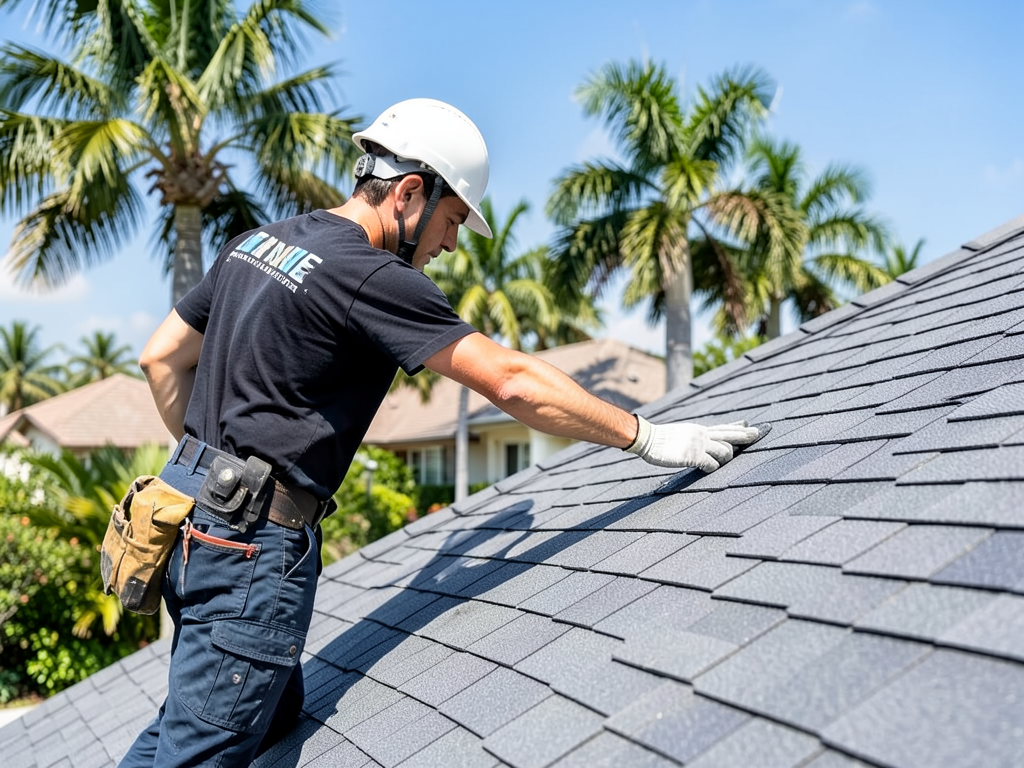
Roof replacement in Miami typically costs between $8,000 and $25,000 depending on size, materials, and complexity. A 2,000-square-foot home usually falls between $12,000 and $18,000 for standard architectural shingles. Premium materials like metal or tile can push costs to $30,000 or more. The Best Metal Roofing Options for Homes in Key Biscayne.
Miami’s unique climate creates specific roofing challenges that affect both cost and material selection. The combination of hurricane-force winds, salt air exposure, and intense UV radiation means your roof must meet strict building requirements while withstanding extreme conditions. Protecting Your Home with Hurricane Rated Roofing Systems in Miami.
Understanding Miami’s Roofing Requirements
Miami-Dade County enforces some of the nation’s strictest building codes for roofing. The Florida Building Code Chapter 15 mandates specific wind load requirements based on your home’s location and exposure category. Most Miami properties fall within Wind Zone III, requiring roofs to withstand winds up to 170 mph. Miami-Dade County Building Code Compliance.
Coastal areas face additional challenges from salt corrosion. Homes within one mile of the ocean need special underlayment and corrosion-resistant fasteners. The constant salt spray accelerates deterioration of standard roofing materials, making proper material selection critical for long-term performance. Roofing Cutler Bay.
Common Miami Roofing Materials and Their Costs
| Material | Cost per Square | Lifespan in Miami | Wind Rating |
|---|---|---|---|
| Architectural Shingles | $350-$450 | 15-20 years | 130 mph |
| Metal Roofing | $700-$1,200 | 40-50 years | 180 mph |
| Concrete Tile | $800-$1,100 | 30-40 years | 150 mph |
| Clay Tile | $900-$1,300 | 40-50 years | 150 mph |
Miami-Specific Roofing Challenges
Roofers in Miami must navigate several unique factors that impact installation and longevity. The high humidity creates perfect conditions for algae and mold growth, particularly on north-facing slopes that receive less direct sunlight. This biological growth can degrade roofing materials and create unsightly black streaks.
Temperature fluctuations in Miami are less dramatic than northern climates, but the intense UV radiation causes rapid deterioration of asphalt-based products. UV exposure breaks down the chemical bonds in roofing materials, leading to cracking, warping, and granule loss much faster than in less sunny regions.
Diagnostic Process for Miami Roof Inspections
Professional roofers in Miami follow a specific diagnostic process when evaluating roof conditions. They examine granule loss patterns, which often concentrate on south-facing slopes due to UV exposure. Salt corrosion typically appears first around fasteners and flashing points, creating visible rust streaks. Professional Flat Roof Repair Services for Brickell Business Owners.
Wind damage assessment focuses on shingle lifting and nail pull-through. Miami’s hurricane season can create uplift forces that separate shingles from their fasteners. Roofers check for missing or damaged shingles, particularly along roof edges where wind forces are strongest.
Local Landmarks and Their Roofing Considerations
Structures near Miami landmarks face specific challenges. Buildings near the Adrienne Arsht Center for the Performing Arts must contend with increased foot traffic and potential debris from events. Properties in the Design District experience different wind channeling effects due to the area’s unique architecture.
Homes in zip codes 33133 and 33145 near Coral Gables often feature Mediterranean-style tile roofs that require specialized installation techniques. These areas experience slightly different wind patterns due to the numerous lakes and waterways that affect airflow. Why Homeowners in Coral Gables Choose Professional Tile Roof Installation.
Building Code Compliance in Miami
Miami-Dade County requires all roofing materials to pass the TAS-107 wind uplift test, one of the most stringent in the country. This test subjects roofing materials to extreme wind pressures to ensure they can withstand hurricane conditions. Only materials with this certification can be legally installed in Miami.
The county also mandates specific underlayment requirements. Miami homes need minimum 30-pound felt or synthetic underlayment with sealed seams. Coastal properties within designated flood zones require additional waterproofing layers and corrosion-resistant flashings.
Cost Factors Specific to Miami
Several factors drive up roofing costs in Miami compared to other regions. Labor rates are higher due to the specialized skills required for hurricane-rated installations. Materials must meet stricter certification standards, eliminating cheaper options available in other markets.
Permit fees in Miami-Dade County range from $150 to $500 depending on project scope. The permitting process includes mandatory inspections at multiple stages, adding time and coordination costs to your project.
Roof Replacement Process in Miami
The replacement process begins with a thorough inspection to assess existing conditions and identify any structural issues. Miami’s building code requires evaluation of the roof deck’s condition before installing new materials. Damaged decking must be replaced, adding to overall costs.
Installation typically takes 2-5 days depending on roof size and complexity. Miami’s weather patterns require careful scheduling, as afternoon thunderstorms are common during summer months. Professional roofers maintain flexible schedules to accommodate weather delays.
Insurance Considerations for Miami Roofs
Insurance companies in Florida scrutinize roofing materials and installation quality closely. Homes with hurricane-rated roofing systems often qualify for premium discounts of 15-25%. Some insurers require specific documentation showing compliance with Miami-Dade building codes. Florida Building Code Chapter 15 Roofing Requirements.
Age is a critical factor for insurance purposes. Most Florida insurers will not provide coverage for roofs older than 25 years, regardless of condition. This creates urgency for homeowners with aging roofs to plan replacements proactively. Florida Roofing and Sheet Metal Contractors Association.
Emergency Roofing Services in Miami
Storm damage requires immediate attention in Miami’s hurricane season. Professional roofers maintain emergency response teams ready to deploy tarps and temporary repairs within hours of severe weather events. Quick response prevents interior water damage that can multiply repair costs.
Common emergency repairs include patching wind-damaged areas, replacing missing shingles, and sealing leaks around vents and chimneys. These temporary fixes protect your home until permanent repairs can be scheduled.
Financing Options for Miami Roof Replacements
Several financing options exist for Miami homeowners. Many roofing contractors offer payment plans spanning 12-60 months. Some local credit unions provide home improvement loans specifically for roofing projects with competitive rates for Miami residents.
Insurance claims can cover partial or full replacement costs if damage results from covered perils. Professional roofers often assist with documentation and claims processes to maximize coverage.
Choosing the Right Miami Roofing Contractor
Selecting a qualified contractor is crucial for Miami’s unique requirements. Look for companies with specific experience in hurricane-rated installations and proper licensing through Miami-Dade County. Verify their insurance coverage includes both liability and workers’ compensation.
Request references from recent projects in your area. Local experience matters because Miami’s building codes and weather patterns create specific installation challenges that out-of-area contractors may not understand.
Maintenance Tips for Miami Roofs
Regular maintenance extends roof life in Miami’s harsh climate. Annual inspections should check for algae growth, loose fasteners, and damaged flashing. Clean gutters prevent water backup that can damage roof edges and fascia boards.
Trim trees away from your roof to prevent debris accumulation and reduce the risk of branches causing damage during storms. Remove leaves and organic material that can trap moisture and accelerate deterioration.
Frequently Asked Questions
How long does a roof replacement take in Miami?
Most residential roof replacements in Miami take 2-5 days depending on size and weather conditions. Complex roofs or those requiring extensive repairs may take longer.
Do I need permits for roof replacement in Miami?
Yes, Miami-Dade County requires permits for all roof replacements. Your contractor should handle permit acquisition and scheduling required inspections.
What’s the best roofing material for Miami’s climate?
Metal roofing offers the best combination of durability, wind resistance, and longevity for Miami’s climate. Tile provides excellent longevity but requires proper installation to prevent wind damage.
How can I tell if my roof needs replacement?
Signs include missing or curling shingles, water stains on ceilings, granule loss in gutters, and age exceeding 20 years. Professional inspections can identify less obvious issues.
Can I install a new roof over my existing one?
Miami building codes typically require complete tear-off of existing roofing materials. This ensures proper inspection of the roof deck and allows installation of required underlayment layers.
Ready to protect your Miami home with a properly installed roof? Call (645) 231-4888 today for a free inspection and detailed estimate. Our team understands Miami’s unique roofing requirements and will ensure your new roof meets all local building codes.
{
“@context”: “https://schema.org”,
“@type”: “BlogPosting”,
“headline”: “What You Should Expect to Pay for a New Roof in Miami”,
“description”: “Discover Miami roof replacement costs in 2026. Learn about hurricane wind zones, building codes, and material options for your South Florida home.”,
“wordCount”: 1355,
“datePublished”: “2026-02-15T07:11:00.000Z”,
“dateModified”: “2026-02-15T07:11:00.000Z”,
“inLanguage”: “en-US”,
“mainEntityOfPage”: {
“@type”: “WebPage”,
“@id”: “https://ironwoodroofingmiami.com”
},
“publisher”: {
“@type”: “LocalBusiness”,
“name”: “Ironwood Roofing Miami”,
“url”: “https://ironwoodroofingmiami.com”
},
“author”: {
“@type”: “Organization”,
“name”: “Ironwood Roofing Miami”,
“url”: “https://ironwoodroofingmiami.com”
},
“image”: {
“@type”: “ImageObject”,
“url”: “https://ironwoodroofingmiami.com/wp-content/uploads/2026/03/what-you-should-expect-to-pay-for-a-new-roof-in-mi-1.png”
}
}
{
“@context”: “https://schema.org”,
“@type”: “RoofingContractor”,
“name”: “Ironwood Roofing Miami”,
“url”: “https://ironwoodroofingmiami.com”,
“address”: {
“@type”: “PostalAddress”,
“addressLocality”: “Miami”
},
“areaServed”: {
“@type”: “City”,
“name”: “Miami”
}
}
{
“@context”: “https://schema.org”,
“@type”: “FAQPage”,
“mainEntity”: [
{
“@type”: “Question”,
“name”: “How long does a roof replacement take in Miami?”,
“acceptedAnswer”: {
“@type”: “Answer”,
“text”: “Most residential roof replacements in Miami take 2-5 days depending on size and weather conditions. Complex roofs or those requiring extensive repairs may take longer.”
}
},
{
“@type”: “Question”,
“name”: “Do I need permits for roof replacement in Miami?”,
“acceptedAnswer”: {
“@type”: “Answer”,
“text”: “Yes, Miami-Dade County requires permits for all roof replacements. Your contractor should handle permit acquisition and scheduling required inspections.”
}
},
{
“@type”: “Question”,
“name”: “What’s the best roofing material for Miami’s climate?”,
“acceptedAnswer”: {
“@type”: “Answer”,
“text”: “Metal roofing offers the best combination of durability, wind resistance, and longevity for Miami’s climate. Tile provides excellent longevity but requires proper installation to prevent wind damage.”
}
},
{
“@type”: “Question”,
“name”: “How can I tell if my roof needs replacement?”,
“acceptedAnswer”: {
“@type”: “Answer”,
“text”: “Signs include missing or curling shingles, water stains on ceilings, granule loss in gutters, and age exceeding 20 years. Professional inspections can identify less obvious issues.”
}
},
{
“@type”: “Question”,
“name”: “Can I install a new roof over my existing one?”,
“acceptedAnswer”: {
“@type”: “Answer”,
“text”: “Miami building codes typically require complete tear-off of existing roofing materials. This ensures proper inspection of the roof deck and allows installation of required underlayment layers.”
}
}
]
}
{
“@context”: “https://schema.org”,
“@type”: “BreadcrumbList”,
“itemListElement”: [
{
“@type”: “ListItem”,
“position”: 1,
“name”: “Home”,
“item”: “https://ironwoodroofingmiami.com”
},
{
“@type”: “ListItem”,
“position”: 2,
“name”: “Blog”,
“item”: “https://ironwoodroofingmiami.com/blog”
},
{
“@type”: “ListItem”,
“position”: 3,
“name”: “What You Should Expect to Pay for a New Roof in Miami”
}
]
}
{
“@context”: “https://schema.org”,
“@type”: “Service”,
“serviceType”: “Roofing”,
“provider”: {
“@type”: “LocalBusiness”,
“name”: “Ironwood Roofing Miami”,
“url”: “https://ironwoodroofingmiami.com”
},
“areaServed”: {
“@type”: “City”,
“name”: “Miami”
},
“description”: “Discover Miami roof replacement costs in 2026. Learn about hurricane wind zones, building codes, and material options for your South Florida home.”
}