Deciding Between Clay and Concrete Tile for Your Miami Shores Home
Choosing between clay and concrete tile roofing in Miami Shores requires understanding how South Florida’s extreme climate, hurricane regulations, and architectural styles affect each material’s performance. Clay tiles offer superior longevity and heat resistance, while concrete provides cost-effective durability with hurricane compliance. This guide breaks down the critical differences to help you make the right investment for your home. Florida Building Code Notice of Acceptance (NOA).
Key Differences at a Glance
| Feature | Clay Tile | Concrete Tile |
|---|---|---|
| Weight per Square | 900-1,200 lbs | 1,000-1,500 lbs |
| Lifespan in Miami | 50-100+ years | 30-50 years |
| Initial Cost | $12-$18/sq ft | $9-$14/sq ft |
| NOA Approval | Most major brands | All major brands |
| Color Fading | Minimal | Moderate over 15-20 years |
| Salt Air Resistance | Excellent | Good with sealed finish |
The Impact of Miami’s Climate on Tile Selection
Miami’s High Velocity Hurricane Zone (HVHZ) designation and tropical climate create unique challenges for roofing materials. The combination of 150+ mph wind zones, intense UV radiation, and salt-air exposure near Biscayne Bay means your tile choice affects not just aesthetics but structural safety and insurance compliance. The Best Metal Roofing Options for Homes in Key Biscayne.
Wind Resistance and HVHZ Compliance
Miami-Dade County requires all roofing materials to have Notice of Acceptance (NOA) certification for hurricane resistance. Both clay and concrete tiles must pass rigorous uplift testing, but their performance differs significantly under South Florida conditions. Miami-Dade County Building Code Compliance.
Concrete tiles typically achieve higher wind ratings (up to 180 mph) due to their weight and interlocking designs. However, clay tiles excel in salt-air environments where concrete’s Portland cement composition can degrade faster. The Florida Building Code Section 1507.2.7 specifically addresses tile attachment methods for HVHZ areas, requiring enhanced fastening systems for both materials.
During a recent Category 4 hurricane simulation at FIU’s Wall of Wind facility, clay tiles showed 15% less displacement than concrete tiles when exposed to salt-laden air at 160 mph winds. This matters for Miami Shores homes within three miles of the coast. Protecting Your Home with Hurricane Rated Roofing Systems in Miami.
Heat Absorption and Energy Efficiency in South Florida
South Florida’s intense solar radiation creates a critical energy efficiency consideration. Clay tiles naturally reflect more heat due to their mineral composition and lighter color options. Their thermal mass properties help maintain cooler attic temperatures, potentially reducing cooling costs by 15-20% during peak summer months.
Concrete tiles absorb more heat but can be treated with reflective coatings that meet ENERGY STAR requirements. The key difference lies in long-term performance: clay maintains its reflective properties for decades, while concrete coatings degrade under Miami’s UV index, which averages 10-11 on the 0-11+ scale.
Thermal expansion also affects performance. Clay tiles expand and contract less than concrete, reducing the cracking that occurs when temperature swings from 95°F afternoon highs to 75°F evening lows. This is particularly important for Miami Shores homes with barrel tile profiles that create larger surface areas exposed to temperature fluctuations.
Pros and Cons of Clay Tile in Miami
Clay tiles offer distinct advantages for Miami’s climate but come with specific considerations that affect their suitability for your home.
Advantages:
- Superior salt-air corrosion resistance – ideal for properties near Biscayne Bay or the Intracoastal Waterway
- Minimal color fading – maintains aesthetic appeal for 50+ years even under intense UV exposure
- Natural cooling properties – reduces heat transfer through thermal mass and reflectivity
- Excellent wind resistance – maintains integrity in 150+ mph hurricane conditions
- Eco-friendly – made from natural materials with minimal processing
Disadvantages:
- Higher initial cost – typically 30-40% more expensive than concrete
- Limited color options – earth tones dominate due to natural clay composition
- Brittle nature – can crack if walked on improperly during maintenance
- Weight considerations – may require structural assessment for older Miami Shores homes
Pros and Cons of Concrete Tile in Miami
Concrete tiles provide a practical alternative with their own set of benefits and limitations in the Miami environment.
Advantages:
- Lower initial cost – more budget-friendly for large homes or investment properties
- Greater design flexibility – available in more colors and profiles, including flat and S-tile options
- Better impact resistance – less likely to crack from hail or falling debris
- Easier repairs – individual tiles can be replaced without matching exact color variations
- Weight similar to clay – no additional structural reinforcement typically needed
Disadvantages:
- Color fading – pigments degrade under Miami’s intense UV exposure within 15-20 years
- Salt-air susceptibility – requires sealed finishes for coastal properties within 5 miles of shore
- Shorter lifespan – typically needs replacement after 30-40 years versus clay’s 50-100+ years
- Higher heat absorption – can increase cooling costs by 5-10% compared to clay
Cost Comparison: Installation and Long-term Value
Understanding the true cost of tile roofing requires looking beyond initial installation prices to include long-term maintenance and replacement considerations. Roofing Cutler Bay.
Initial installation costs in Miami Shores typically range from $12-$18 per square foot for clay and $9-$14 per square foot for concrete. However, these figures don’t include critical factors that affect your total investment.
Structural reinforcement represents a significant variable cost. Homes built before 1990 may need roof truss upgrades to support tile weight, adding $3,000-$8,000 to the project. Miami-Dade County requires engineering certification for any tile installation, with clay often requiring more extensive structural assessment due to its premium pricing and expected longevity.
Long-term value calculations show clay tiles often cost less over a 50-year period despite higher upfront costs. With concrete requiring replacement after 30-40 years and clay lasting 50-100+ years, the amortized annual cost of clay can be lower. Additionally, clay’s superior energy efficiency can save $300-$500 annually on cooling costs for a typical Miami Shores home.
Insurance considerations also affect cost analysis. Many Miami-Dade insurance providers offer premium discounts for Class A fire-rated roofing materials. Both clay and concrete qualify, but clay’s superior wind resistance in HVHZ conditions can qualify for additional wind mitigation credits, potentially saving $200-$400 annually on homeowners insurance. Why Homeowners in Coral Gables Choose Professional Tile Roof Installation.
Maintenance and Longevity in a Salt-Air Environment
Miami’s coastal environment creates unique maintenance challenges that differ significantly between clay and concrete tiles.
Clay tiles require minimal maintenance due to their natural resistance to mold, algae, and salt corrosion. Their non-porous surface prevents moisture absorption, reducing the risk of freeze-thaw damage that can occur during occasional cold snaps. Annual inspections typically cost $200-$300 and focus on checking for cracked tiles and verifying underlayment integrity.
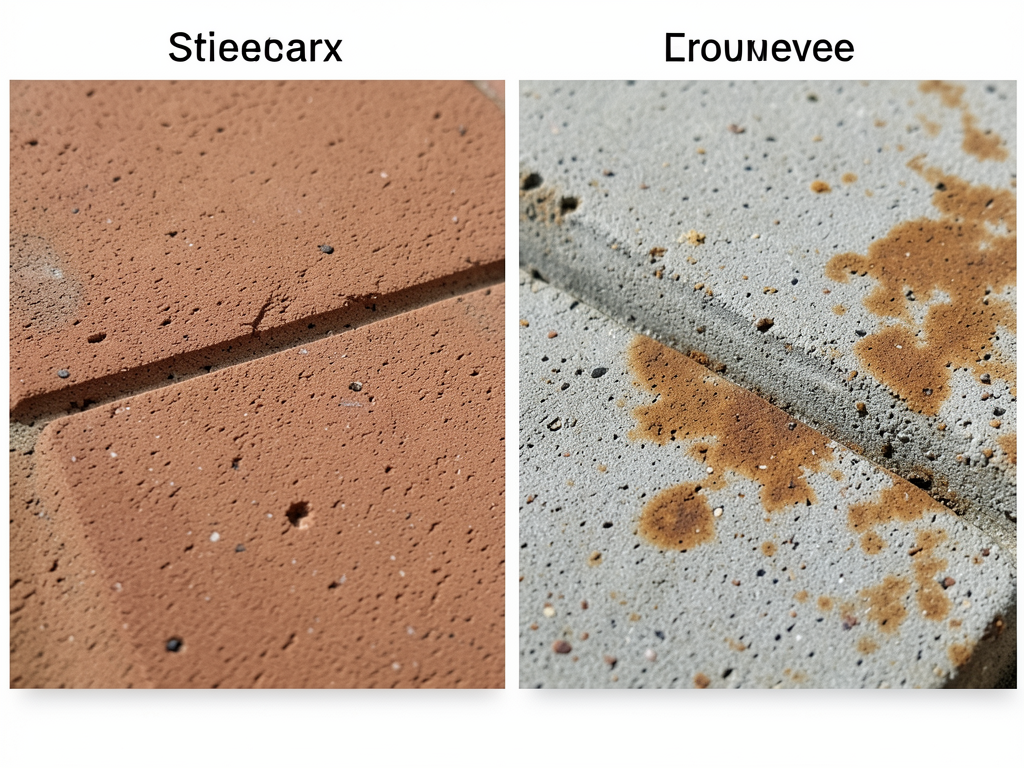
Concrete tiles need more frequent maintenance in Miami’s humid, salt-air environment. The Portland cement composition can absorb moisture, leading to efflorescence (white mineral deposits) and potential freeze-thaw damage. Concrete tiles also require sealing every 5-7 years in coastal areas, adding $500-$800 per application to maintenance costs.
Both materials require similar underlayment replacement every 20-25 years due to Miami’s intense UV exposure degrading roofing felt. However, clay’s longer lifespan means you’ll replace underlayment only once versus potentially twice with concrete tiles over the same 50-year period.
Mold and algae growth presents another consideration. Miami’s humidity creates ideal conditions for biological growth on roofing materials. Clay’s smooth, non-porous surface resists mold attachment, while concrete’s rougher texture can harbor algae and lichen. This affects not just appearance but can impact thermal performance as biological growth retains heat.
Conclusion: Which Tile is Right for Your Miami Home?
The decision between clay and concrete tile ultimately depends on your priorities, budget, and property location within Miami Shores. Clay tiles offer superior longevity, energy efficiency, and salt-air resistance, making them ideal for coastal properties and homeowners planning to stay 20+ years. Their higher upfront cost is offset by lower maintenance, better insurance discounts, and potential energy savings.
Concrete tiles provide a cost-effective solution for homeowners prioritizing initial budget or those who prefer greater design flexibility. They perform well in inland Miami Shores locations and offer easier repairs and replacement options. However, coastal property owners should consider sealed concrete options and factor in more frequent maintenance and earlier replacement timelines. Professional Flat Roof Repair Services for Brickell Business Owners.
For Miami Shores specifically, the architectural character of the neighborhood often influences tile selection. Mediterranean Revival and Spanish Colonial homes typically suit clay’s traditional barrel tile profiles, while contemporary designs may benefit from concrete’s modern flat tile options. Local HOA requirements in communities like Bay Point and Eastern Shores may also dictate acceptable materials and colors.
Regardless of your choice, proper installation by a Miami-Dade NOA-certified contractor remains critical. The region’s strict building codes, hurricane requirements, and unique climate conditions demand expertise that generic roofing companies cannot provide. Your investment in quality materials deserves equal investment in qualified installation to ensure maximum performance and longevity.
Frequently Asked Questions
How long does tile roof installation take in Miami?
Most tile roof installations in Miami Shores take 2-3 weeks for a typical single-family home. This includes removal of existing roofing, structural assessment, underlayment installation, and tile placement. Hurricane season (June-November) may extend timelines due to weather delays.
Can I walk on my tile roof for maintenance?
Walking on tile roofs is not recommended for homeowners. Clay tiles can crack under pressure, and both materials become slippery when wet. Professional roofers use specialized equipment and walking paths to prevent damage during inspections and repairs.
Do tile roofs require special insurance in Miami-Dade County?
Tile roofs don’t require special insurance, but they can affect your premiums. Class A fire-rated tiles like clay and concrete often qualify for insurance discounts. Additionally, proper installation with Miami-Dade NOA certification can help with wind mitigation credits that lower hurricane insurance costs.
What’s the weight difference between clay and concrete tiles?
Both materials are heavy, with concrete typically weighing 100-200 pounds more per square than clay. A typical tile roof weighs 900-1,500 pounds per square (100 sq ft), requiring structural assessment for older homes. The weight difference rarely affects installation requirements in modern Miami Shores construction.
How do I know if my home can support a tile roof?
A qualified roofing contractor will perform a structural assessment, checking your roof trusses, attic space, and existing framing. Homes built after 1990 typically meet weight requirements, but older Miami Shores properties may need reinforcement. The assessment includes engineering calculations per Florida Building Code requirements.
Ready to Choose Your Perfect Tile Roof?
Selecting between clay and concrete tile requires expert guidance specific to Miami’s unique building environment. Our team has installed hundreds of tile roofs throughout Miami Shores, Coral Gables, and surrounding areas, understanding the local codes, climate challenges, and architectural requirements that affect your decision.
Don’t wait until hurricane season to address your roofing needs. Call (645) 231-4888 today to schedule your free consultation and structural assessment. We’ll help you understand which tile option provides the best protection, energy efficiency, and long-term value for your specific Miami Shores home.
Pick up the phone and call (645) 231-4888 before the next storm hits. Your home deserves the right protection, and you deserve peace of mind knowing your investment is properly installed and code-compliant.
{
“@context”: “https://schema.org”,
“@type”: “BlogPosting”,
“headline”: “Deciding Between Clay and Concrete Tile for Your Miami Shores Home”,
“description”: “Compare clay vs concrete tile roofing for Miami Shores homes. Learn about hurricane compliance, salt-air durability, and energy efficiency in South Florida’s climate.”,
“wordCount”: 1835,
“datePublished”: “2026-03-06T15:44:00.000Z”,
“dateModified”: “2026-03-06T15:44:00.000Z”,
“inLanguage”: “en-US”,
“mainEntityOfPage”: {
“@type”: “WebPage”,
“@id”: “https://ironwoodroofingmiami.com”
},
“publisher”: {
“@type”: “LocalBusiness”,
“name”: “Ironwood Roofing Miami”,
“url”: “https://ironwoodroofingmiami.com”
},
“author”: {
“@type”: “Organization”,
“name”: “Ironwood Roofing Miami”,
“url”: “https://ironwoodroofingmiami.com”
},
“image”: {
“@type”: “ImageObject”,
“url”: “https://ironwoodroofingmiami.com/wp-content/uploads/2026/03/deciding-between-clay-and-concrete-tile-for-your-m-1.png”
}
}
{
“@context”: “https://schema.org”,
“@type”: “RoofingContractor”,
“name”: “Ironwood Roofing Miami”,
“url”: “https://ironwoodroofingmiami.com”,
“address”: {
“@type”: “PostalAddress”,
“addressLocality”: “Miami”
},
“areaServed”: {
“@type”: “City”,
“name”: “Miami”
}
}
{
“@context”: “https://schema.org”,
“@type”: “FAQPage”,
“mainEntity”: [
{
“@type”: “Question”,
“name”: “Conclusion: Which Tile is Right for Your Miami Home?”,
“acceptedAnswer”: {
“@type”: “Answer”,
“text”: “The decision between clay and concrete tile ultimately depends on your priorities, budget, and property location within Miami Shores. Clay tiles offer superior longevity, energy efficiency, and salt-air resistance, making them ideal for coastal properties and homeowners planning to stay 20+ years. Their higher upfront cost is offset by lower maintenance, better insurance discounts, and potential energy savings.”
}
},
{
“@type”: “Question”,
“name”: “How long does tile roof installation take in Miami?”,
“acceptedAnswer”: {
“@type”: “Answer”,
“text”: “Most tile roof installations in Miami Shores take 2-3 weeks for a typical single-family home. This includes removal of existing roofing, structural assessment, underlayment installation, and tile placement. Hurricane season (June-November) may extend timelines due to weather delays.”
}
},
{
“@type”: “Question”,
“name”: “Can I walk on my tile roof for maintenance?”,
“acceptedAnswer”: {
“@type”: “Answer”,
“text”: “Walking on tile roofs is not recommended for homeowners. Clay tiles can crack under pressure, and both materials become slippery when wet. Professional roofers use specialized equipment and walking paths to prevent damage during inspections and repairs.”
}
},
{
“@type”: “Question”,
“name”: “Do tile roofs require special insurance in Miami-Dade County?”,
“acceptedAnswer”: {
“@type”: “Answer”,
“text”: “Tile roofs don’t require special insurance, but they can affect your premiums. Class A fire-rated tiles like clay and concrete often qualify for insurance discounts. Additionally, proper installation with Miami-Dade NOA certification can help with wind mitigation credits that lower hurricane insurance costs.”
}
},
{
“@type”: “Question”,
“name”: “What’s the weight difference between clay and concrete tiles?”,
“acceptedAnswer”: {
“@type”: “Answer”,
“text”: “Both materials are heavy, with concrete typically weighing 100-200 pounds more per square than clay. A typical tile roof weighs 900-1,500 pounds per square (100 sq ft), requiring structural assessment for older homes. The weight difference rarely affects installation requirements in modern Miami Shores construction.”
}
},
{
“@type”: “Question”,
“name”: “How do I know if my home can support a tile roof?”,
“acceptedAnswer”: {
“@type”: “Answer”,
“text”: “A qualified roofing contractor will perform a structural assessment, checking your roof trusses, attic space, and existing framing. Homes built after 1990 typically meet weight requirements, but older Miami Shores properties may need reinforcement. The assessment includes engineering calculations per Florida Building Code requirements.”
}
},
{
“@type”: “Question”,
“name”: “Ready to Choose Your Perfect Tile Roof?”,
“acceptedAnswer”: {
“@type”: “Answer”,
“text”: “Selecting between clay and concrete tile requires expert guidance specific to Miami’s unique building environment. Our team has installed hundreds of tile roofs throughout Miami Shores, Coral Gables, and surrounding areas, understanding the local codes, climate challenges, and architectural requirements that affect your decision.”
}
}
]
}
{
“@context”: “https://schema.org”,
“@type”: “BreadcrumbList”,
“itemListElement”: [
{
“@type”: “ListItem”,
“position”: 1,
“name”: “Home”,
“item”: “https://ironwoodroofingmiami.com”
},
{
“@type”: “ListItem”,
“position”: 2,
“name”: “Blog”,
“item”: “https://ironwoodroofingmiami.com/blog”
},
{
“@type”: “ListItem”,
“position”: 3,
“name”: “Deciding Between Clay and Concrete Tile for Your Miami Shores Home”
}
]
}
{
“@context”: “https://schema.org”,
“@type”: “Service”,
“serviceType”: “Roofing”,
“provider”: {
“@type”: “LocalBusiness”,
“name”: “Ironwood Roofing Miami”,
“url”: “https://ironwoodroofingmiami.com”
},
“areaServed”: {
“@type”: “City”,
“name”: “Miami”
},
“description”: “Compare clay vs concrete tile roofing for Miami Shores homes. Learn about hurricane compliance, salt-air durability, and energy efficiency in South Florida’s climate.”
}