Why Your Palmetto Bay Home Needs Better Attic Ventilation to Combat Humidity
Your Palmetto Bay home sits in a unique climate zone where summer humidity often exceeds 85 percent and afternoon thunderstorms roll in from the Everglades. That combination traps heat and moisture inside your attic, creating the perfect conditions for mold growth, wood rot, and premature shingle failure. Without proper ventilation, attic temperatures can climb above 150 degrees Fahrenheit while indoor cooling systems work overtime to keep living spaces comfortable.
According to the Florida Building Code Chapter 15, residential attics in Miami-Dade County must maintain a minimum net free ventilation area of one square foot for every 150 square feet of attic floor space. In humid coastal zones like Palmetto Bay, that requirement increases when using vapor barriers or when the roof pitch exceeds 4:12. These codes exist because stagnant, moist air accelerates deterioration of roof decking and underlayment, leading to costly repairs. Florida Building Code Chapter 15.
Homeowners in Palmetto Bay often notice warning signs before major damage occurs. You might see dark streaks on ceiling drywall, smell a musty odor near attic access points, or feel a noticeable temperature difference between rooms under the roofline and those on lower floors. These symptoms indicate that your current ventilation system cannot keep up with the moisture load generated by South Florida’s climate. Why Homeowners in Coral Gables Choose Professional Tile Roof Installation.
Modern ventilation solutions include solar-powered attic fans that operate without drawing electricity from your home, ridge vents that run the entire length of the roof peak, and off-ridge static vents that work in combination with soffit intake vents. Each system must be balanced so that intake and exhaust airflow are equal; otherwise, negative pressure can pull conditioned air from your living space into the attic, raising energy costs.
During hurricane season, Palmetto Bay experiences wind-driven rain that can exploit poorly ventilated attic spaces. Water vapor condensing on the underside of roof decking creates hidden leaks that only appear as stains months later. Proper ventilation reduces this condensation risk by keeping attic air moving and closer to outdoor dew point temperatures. Protecting Your Home with Hurricane Rated Roofing Systems in Miami.
Homeowners who upgrade to code-compliant ventilation often see measurable benefits within the first cooling season. Energy audits conducted by Florida Power & Light show that homes with optimized attic airflow reduce air conditioning runtime by 10 to 15 percent, translating to annual savings of $150 to $300 depending on home size and insulation levels.
Beyond energy savings, correct ventilation extends the life of roofing materials. Asphalt shingles in Palmetto Bay are exposed to intense UV radiation and thermal cycling. When combined with trapped moisture, shingle granules can loosen and blister, reducing lifespan from the expected 20 years to as little as 12 years. Balanced ventilation keeps shingle temperatures more stable, slowing this degradation process. The Best Metal Roofing Options for Homes in Key Biscayne.
Installation of ventilation systems in Palmetto Bay must comply with Miami-Dade Notice of Acceptance (NOA) requirements for all manufactured vents and fans. NOA products have passed rigorous testing for wind uplift, impact resistance, and corrosion resistance in coastal environments. Using non-NOA products can void manufacturer warranties and create liability if wind damage occurs. Miami-Dade Notice of Acceptance (NOA).
Common installation mistakes include blocking soffit vents with insulation, installing too few exhaust vents, or placing vents where they can be clogged by debris from nearby trees. A professional assessment uses thermal imaging to locate hot spots and moisture meters to detect hidden condensation, ensuring the ventilation plan addresses actual conditions rather than assumptions. Professional Flat Roof Repair Services for Brickell Business Owners.
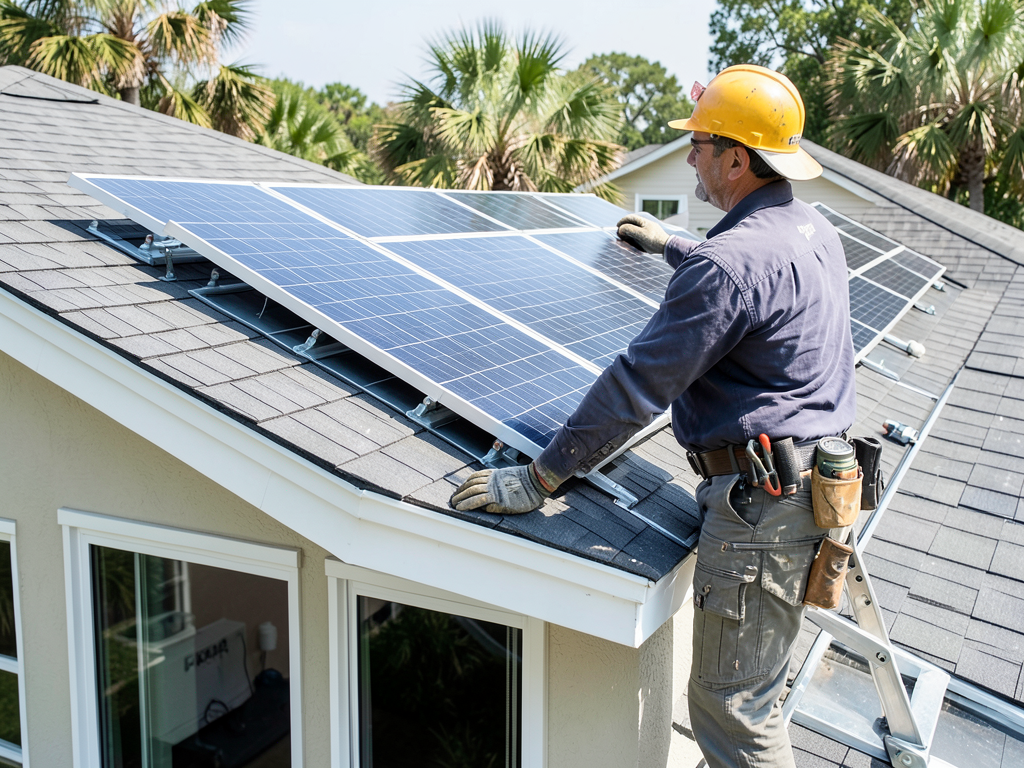
Solar attic fans have gained popularity in Palmetto Bay because they harness the same sun that heats your attic to power ventilation. A typical 20-watt solar fan can move 800 to 1,200 cubic feet per minute of air, enough to cool a 1,500-square-foot attic space. Because they require no wiring, installation is faster and often qualifies for federal solar tax credits.
Ridge vents offer a low-profile alternative that works silently and continuously. Installed along the roof peak, they use natural convection to draw air out of the attic. When paired with properly sized soffit vents, ridge vents can achieve the same airflow as multiple turbine vents without any moving parts that can wear out or freeze in rare cold snaps.
Off-ridge static vents are ideal for homes with complex rooflines or limited ridge length. These vents are installed near the roof peak but do not run the full length. They require precise spacing calculations to ensure even airflow distribution, especially in hip roofs common in Palmetto Bay’s older neighborhoods.
Moisture control in Palmetto Bay attics also involves managing indoor humidity sources. Bathroom exhaust fans, kitchen range hoods, and even indoor laundry drying can push excess moisture into attic spaces if ducting is compromised. Sealing and insulating these duct runs is as important as installing the right vents.
During the wet season, Palmetto Bay’s afternoon thunderstorms can dump several inches of rain in an hour. Without adequate ventilation, this moisture lingers in attic insulation, reducing its R-value and creating a breeding ground for mold spores. Mold remediation in attics can cost thousands of dollars, making prevention through ventilation a wise investment.
Many Palmetto Bay homes built before 2010 were constructed to older ventilation standards that do not account for today’s higher energy costs and stronger storms. Upgrading these systems to meet current Florida Building Code requirements not only improves comfort but also increases property value and insurance eligibility for wind mitigation discounts.
Professional ventilation assessments in Palmetto Bay include checking for proper intake at the eaves, verifying exhaust capacity, inspecting for signs of moisture damage, and measuring attic air temperature differentials. These diagnostics help pinpoint whether the issue is insufficient ventilation, blocked vents, or a combination of both.
Balancing attic ventilation is critical because too much exhaust without enough intake creates negative pressure that can pull cool air from your living space, increasing energy bills. A balanced system ensures that every cubic foot of air exhausted is replaced by an equal volume drawn in from the soffits.
Homeowners in Palmetto Bay should also consider the impact of attic ventilation on indoor air quality. Poor ventilation allows dust, pollen, and mold spores to accumulate in attic insulation, which can then migrate into living spaces through ceiling penetrations. Proper airflow reduces these contaminants and improves overall home health.
Insurance companies in Florida are increasingly aware of the link between attic moisture and roof claims. Some carriers require proof of adequate ventilation as a condition of coverage, especially for homes over 15 years old. Installing a certified ventilation system can help avoid premium increases or coverage denials.
Palmetto Bay’s proximity to Biscayne Bay means salt air can accelerate corrosion of metal vents and fasteners. Choosing corrosion-resistant materials such as aluminum or stainless steel, and ensuring all components are NOA-approved, protects your investment from the harsh coastal environment.
Energy efficiency programs through Florida Power & Light sometimes offer rebates for solar attic fans and other ventilation improvements. These incentives can offset a significant portion of installation costs, making upgrades more affordable for homeowners looking to reduce cooling expenses.
During home inspections, buyers in Palmetto Bay are increasingly asking about attic ventilation as part of due diligence. A home with modern, code-compliant ventilation can be more attractive in a competitive market, while a home with known ventilation problems may face price negotiations or repair requests.
Installation timing matters in Palmetto Bay. Scheduling ventilation work during the dry season reduces the risk of rain damage and allows crews to work more efficiently. However, if you notice active moisture problems, delaying repairs until the dry season can lead to more extensive damage.
Combining ventilation upgrades with improved attic insulation creates a synergistic effect. Ventilation removes heat and moisture, while insulation prevents that heat from transferring into your living space. Together, they can reduce cooling loads by up to 20 percent in homes with older construction.. Read more about How to Identify and Remove Black Algae Streaks from Your Miami Lakes Roof.
Monitoring your attic’s performance after installation helps ensure the system works as intended. Simple tools like indoor/outdoor thermometers and hygrometers can track temperature and humidity trends, while more advanced homeowners may use smart sensors that send alerts if conditions exceed safe thresholds.
Palmetto Bay’s tree canopy, while beautiful, can also contribute to ventilation problems. Overhanging branches deposit leaves and debris that block soffit vents, while dense shade keeps attics cooler but also reduces the temperature differential that drives natural convection. Regular gutter and vent cleaning is essential in wooded neighborhoods.
Finally, proper attic ventilation is not a one-time fix but an ongoing maintenance item. Vents can become blocked, fans can fail, and building usage can change over time. Annual inspections by a qualified roofing professional can catch small issues before they lead to major repairs. Roofing Cutler Bay.
Comparing Ventilation Options for Palmetto Bay Homes
| Ventilation Type | Pros | Cons | Best For |
|---|---|---|---|
| Solar Attic Fan | No electricity cost, easy install, tax credits | Requires sunlight, higher upfront cost | Sun-exposed roofs, retrofit projects |
| Ridge Vent | Silent, continuous, no moving parts | Requires full ridge length, professional install | New construction, long ridgelines |
| Off-Ridge Static Vent | Works with complex rooflines, affordable | Needs precise spacing, less airflow than ridge | Hip roofs, limited ridge space |
| Turbine Vent | Moving parts wear out, can rattle | Budget retrofits, windy areas |
Steps to Improve Your Attic Ventilation
- Assess Current Ventilation
Inspect existing vents for blockages, measure attic temperature and humidity, and check for signs of moisture damage.
- Calculate Ventilation Requirements
Use attic square footage to determine minimum net free area per Florida Building Code Chapter 15.
- Select Appropriate Vent Types
Choose a balanced combination of intake (soffit) and exhaust (ridge, off-ridge, or fan) vents based on roof design.
- Ensure NOA Compliance
Verify that all vents and fans have Miami-Dade Notice of Acceptance approval for wind and corrosion resistance.
- Install and Seal
Properly install vents, seal all penetrations, and ensure insulation does not block soffit airflow.
- Test and Monitor
After installation, verify airflow balance and monitor attic conditions for several weeks.
Frequently Asked Questions
How do I know if my attic ventilation is inadequate?
Signs include high attic temperatures, musty odors, ceiling stains, excessive cooling costs, and visible mold or mildew in the attic space.
Can I install ventilation myself or do I need a professional?
While some static vents are DIY-friendly, proper sizing, placement, and NOA compliance require professional assessment to avoid costly mistakes.
Will better ventilation lower my electric bill?
Yes. Optimized attic airflow can reduce air conditioning runtime by 10 to 15 percent, saving $150 to $300 annually depending on home size.
Are solar attic fans worth the investment in Palmetto Bay?
They are highly effective here due to abundant sunlight, require no electricity, and may qualify for federal tax credits and FPL rebates.
How often should attic ventilation be inspected?
Annual inspections are recommended, with additional checks after major storms or if you notice changes in indoor comfort or energy bills.
Call (645) 231-4888 Today to Schedule Your Ventilation Assessment
Don’t let Palmetto Bay’s humidity damage your home from the inside out. Call (645) 231-4888 today to schedule a professional attic ventilation assessment. We’ll measure your current airflow, identify moisture problems, and recommend code-compliant solutions that protect your roof and lower your energy bills. Pick up the phone and call (645) 231-4888 before the next storm hits.
{
“@context”: “https://schema.org”,
“@type”: “BlogPosting”,
“headline”: “Why Your Palmetto Bay Home Needs Better Attic Ventilation to Combat Humidity”,
“description”: “High humidity in Palmetto Bay causes attic mold, high energy bills, and roof damage. Learn how proper ventilation meets Miami-Dade HVHZ codes and saves you money.”,
“wordCount”: 1903,
“datePublished”: “2026-03-07T09:20:00.000Z”,
“dateModified”: “2026-03-07T09:20:00.000Z”,
“inLanguage”: “en-US”,
“mainEntityOfPage”: {
“@type”: “WebPage”,
“@id”: “https://ironwoodroofingmiami.com”
},
“publisher”: {
“@type”: “LocalBusiness”,
“name”: “Ironwood Roofing Miami”,
“url”: “https://ironwoodroofingmiami.com”
},
“author”: {
“@type”: “Organization”,
“name”: “Ironwood Roofing Miami”,
“url”: “https://ironwoodroofingmiami.com”
},
“image”: {
“@type”: “ImageObject”,
“url”: “https://ironwoodroofingmiami.com/wp-content/uploads/2026/03/why-your-palmetto-bay-home-needs-better-attic-vent-1.png”
}
}
{
“@context”: “https://schema.org”,
“@type”: “RoofingContractor”,
“name”: “Ironwood Roofing Miami”,
“url”: “https://ironwoodroofingmiami.com”,
“address”: {
“@type”: “PostalAddress”,
“addressLocality”: “Miami”
},
“areaServed”: {
“@type”: “City”,
“name”: “Miami”
}
}
{
“@context”: “https://schema.org”,
“@type”: “FAQPage”,
“mainEntity”: [
{
“@type”: “Question”,
“name”: “How do I know if my attic ventilation is inadequate?”,
“acceptedAnswer”: {
“@type”: “Answer”,
“text”: “Signs include high attic temperatures, musty odors, ceiling stains, excessive cooling costs, and visible mold or mildew in the attic space.”
}
},
{
“@type”: “Question”,
“name”: “Can I install ventilation myself or do I need a professional?”,
“acceptedAnswer”: {
“@type”: “Answer”,
“text”: “While some static vents are DIY-friendly, proper sizing, placement, and NOA compliance require professional assessment to avoid costly mistakes.”
}
},
{
“@type”: “Question”,
“name”: “Will better ventilation lower my electric bill?”,
“acceptedAnswer”: {
“@type”: “Answer”,
“text”: “Yes. Optimized attic airflow can reduce air conditioning runtime by 10 to 15 percent, saving $150 to $300 annually depending on home size.”
}
},
{
“@type”: “Question”,
“name”: “Are solar attic fans worth the investment in Palmetto Bay?”,
“acceptedAnswer”: {
“@type”: “Answer”,
“text”: “They are highly effective here due to abundant sunlight, require no electricity, and may qualify for federal tax credits and FPL rebates.”
}
},
{
“@type”: “Question”,
“name”: “How often should attic ventilation be inspected?”,
“acceptedAnswer”: {
“@type”: “Answer”,
“text”: “Annual inspections are recommended, with additional checks after major storms or if you notice changes in indoor comfort or energy bills.”
}
}
]
}
{
“@context”: “https://schema.org”,
“@type”: “HowTo”,
“name”: “How to Improve Attic Ventilation”,
“step”: [
{
“@type”: “HowToStep”,
“position”: 1,
“name”: “Assess Current Ventilation”,
“text”: “Inspect existing vents for blockages, measure attic temperature and humidity, and check for signs of moisture damage.”
},
{
“@type”: “HowToStep”,
“position”: 2,
“name”: “Calculate Ventilation Requirements”,
“text”: “Use attic square footage to determine minimum net free area per Florida Building Code Chapter 15.”
},
{
“@type”: “HowToStep”,
“position”: 3,
“name”: “Select Appropriate Vent Types”,
“text”: “Choose a balanced combination of intake (soffit) and exhaust (ridge, off-ridge, or fan) vents based on roof design.”
},
{
“@type”: “HowToStep”,
“position”: 4,
“name”: “Ensure NOA Compliance”,
“text”: “Verify that all vents and fans have Miami-Dade Notice of Acceptance approval for wind and corrosion resistance.”
},
{
“@type”: “HowToStep”,
“position”: 5,
“name”: “Install and Seal”,
“text”: “Properly install vents, seal all penetrations, and ensure insulation does not block soffit airflow.”
},
{
“@type”: “HowToStep”,
“position”: 6,
“name”: “Test and Monitor”,
“text”: “After installation, verify airflow balance and monitor attic conditions for several weeks.”
}
],
“image”: “https://ironwoodroofingmiami.com/wp-content/uploads/2026/03/why-your-palmetto-bay-home-needs-better-attic-vent-1.png”
}
{
“@context”: “https://schema.org”,
“@type”: “BreadcrumbList”,
“itemListElement”: [
{
“@type”: “ListItem”,
“position”: 1,
“name”: “Home”,
“item”: “https://ironwoodroofingmiami.com”
},
{
“@type”: “ListItem”,
“position”: 2,
“name”: “Blog”,
“item”: “https://ironwoodroofingmiami.com/blog”
},
{
“@type”: “ListItem”,
“position”: 3,
“name”: “Why Your Palmetto Bay Home Needs Better Attic Ventilation to Combat Humidity”
}
]
}
{
“@context”: “https://schema.org”,
“@type”: “Service”,
“serviceType”: “Roofing”,
“provider”: {
“@type”: “LocalBusiness”,
“name”: “Ironwood Roofing Miami”,
“url”: “https://ironwoodroofingmiami.com”
},
“areaServed”: {
“@type”: “City”,
“name”: “Miami”
},
“description”: “High humidity in Palmetto Bay causes attic mold, high energy bills, and roof damage. Learn how proper ventilation meets Miami-Dade HVHZ codes and saves you money.”
}